We may earn a commission when you buy through our links — it never affects our scores.
How we picked
For mats, grip came first, both dry and sweaty, because slipping undermines every pose. Polyurethane-topped and natural rubber mats tend to earn stronger grip marks from reviewers, while budget PVC and TPE mats can turn slick. Thickness and density were next: about 4 to 6 mm balances cushioning with stability for most flows, while thicker mats suit floor work and sensitive knees. We compared materials, noting natural rubber for eco-minded buyers along with its downside for latex allergies, plus initial odor, weight, and length for taller practitioners. For foam rollers and mobility tools, we weighed firmness options, surface texture, whether the core holds its shape, and portability. Durability reports from long-term reviewers counted heavily. Finally, we compared value across price tiers, from starter gear to premium picks.
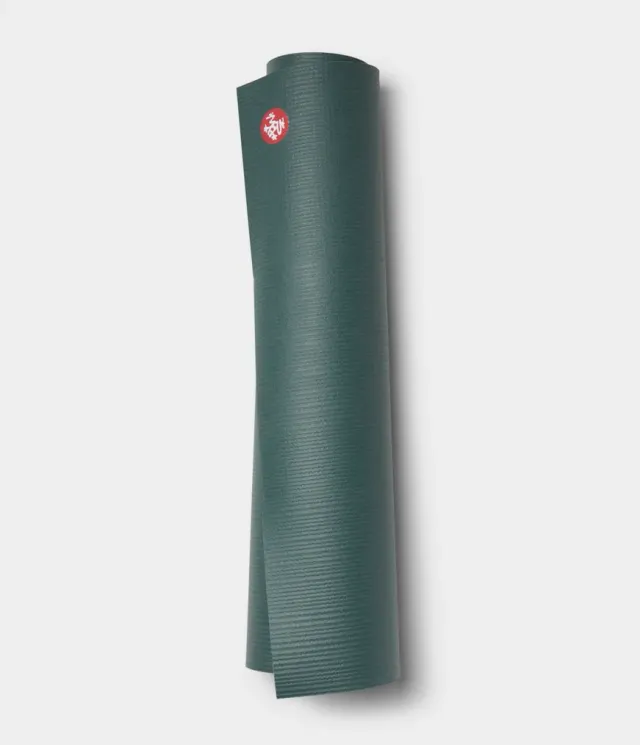
The Manduka PRO is the mat yoga teachers keep recommending: ultra-dense 6mm cushioning, a closed-cell surface that keeps sweat out, and a lifetime guarantee. Reviewers warn that it is heavy and can feel slick for sweaty practitioners, but few mats last as long.
Ultra-dense 6mm cushioning with floor-like stability
Closed-cell surface keeps sweat and odor from soaking in
Lifetime guarantee on the PRO series
Heavy at about 7.5 lb for the standard size
Can feel slick for heavy sweaters without a towel
Premium price
Thickness6 mmSize71 x 26 in (standard); 68 in short and 85 in long optionsWeight7.5 lb (standard)
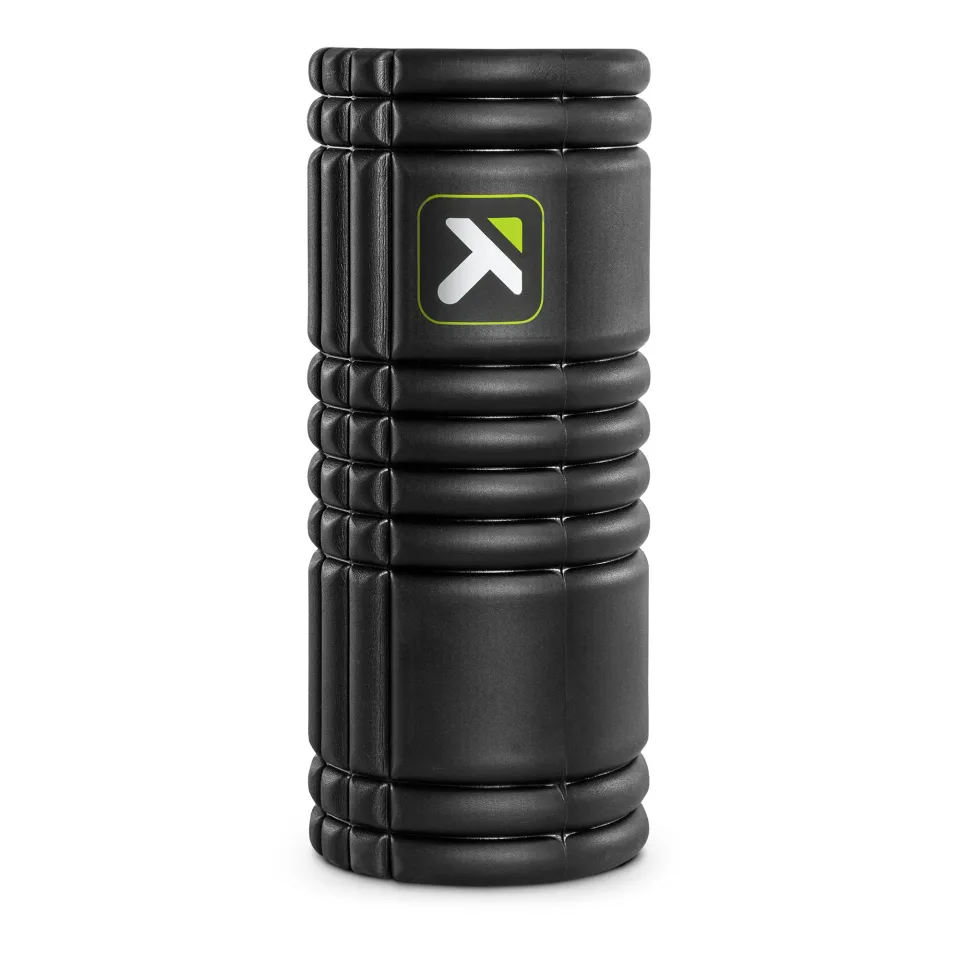
The GRID 1.0 is the foam roller most people picture: a 13-inch hollow core wrapped in textured EVA foam. Reviewers praise its firm-but-tolerable pressure, travel-friendly size and durability, while its short length and firmness are the main trade-offs.
Hollow core keeps its shape where solid foam flattens
Multi-density GRID surface for broad or targeted pressure
Compact 13-in size travels easily
Too short for lengthwise spine and chest-opening work
Firm for true beginners
Costs more than basic foam rollers
Size13 x 5.5 inCoreRigid hollow coreSurfaceEVA foam with multi-density GRID pattern
Alo's Warrior Mat pairs a polyurethane top layer with a rubber base for sticky grip across a generous 6.2 x 2.2 ft surface. It is a favorite for grip and style, but it weighs about 8 lb, costs $148 and needs gentle care to avoid marks on the top layer.
Polyurethane top grips without a break-in period
Oversized 6.2 x 2.2 ft surface for wide stances
PVC-free and formaldehyde-free, per Alo
Heavy at about 8 lb
Top layer can mark from rings, lotions or sharp edges
Expensive at $148 and not sold on Amazon
Dimensions6.2 x 2.2 ftThickness5 mmWeightAbout 8 lb
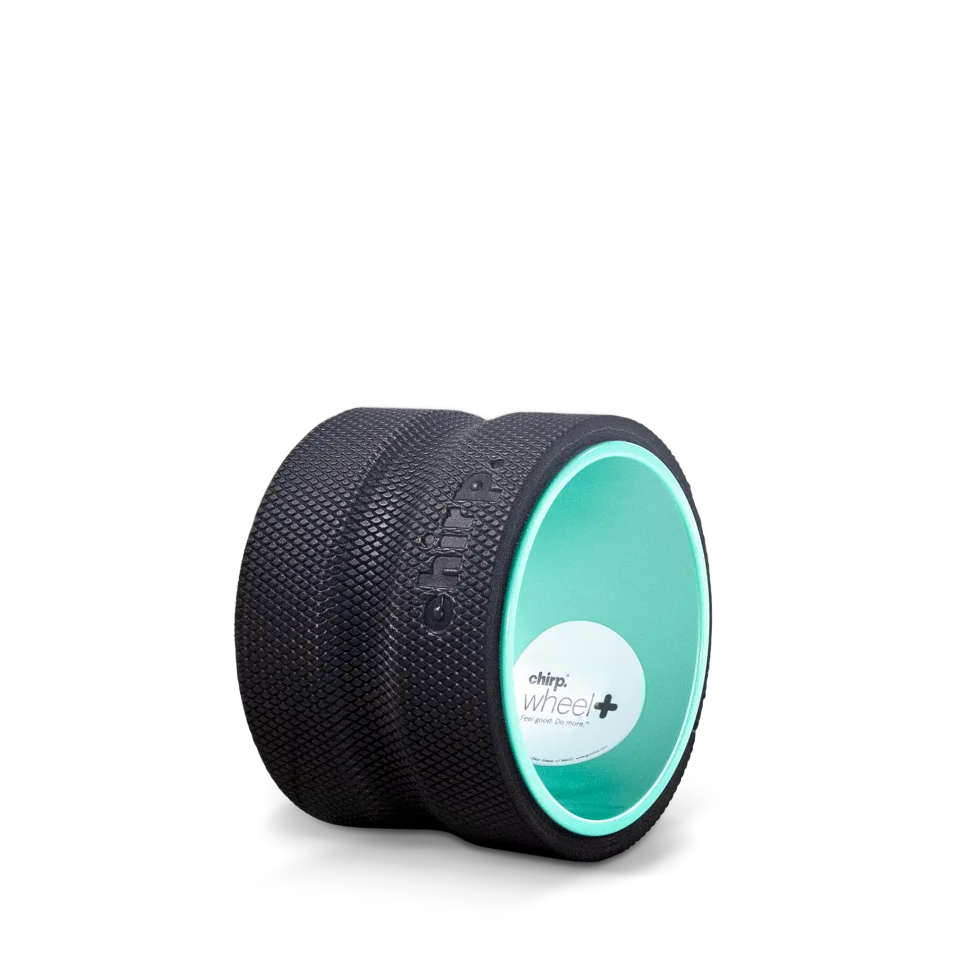
The Chirp Wheel+ turns foam rolling into a simple lean-back stretch, with a channel that keeps pressure off the spine itself. Chiropractors and long-term owners like how easy it is to use daily, and sizes range from a gentle 12-inch to a deep-tissue 6-inch.
Spinal channel keeps pressure on muscles, not vertebrae
Easy lean-back use without floor acrobatics
PVC-free ABS core rated to 500 lb
Not a substitute for care if you have a back injury
Pricey per wheel; the 3-pack costs about $72
The 6-in size can be intense for beginners
Featured size6 in (Deep Tissue)Other sizes10 in (Deep Stretch), 12 in (Gentle), sold singly or in packsCorePVC-free ABS
Gaiam's Essentials mat is a popular budget yoga mat, and 10mm of NBR foam cushions knees and hips for about $25. The trade-off is stability: it is better for floor work, stretching and Pilates than for balance-heavy flows.
10mm NBR foam cushions knees, hips and spine
About $25 with a carrying strap included
Light and easy to roll, carry and wipe clean
Soft foam feels unstable in standing balance poses
Grip is best for dry workouts, not hot yoga
Foam odor needs 24 to 48 hours to air out
Thickness10 mm (2/5 in)Size72 x 23.6 in (per Gaiam)MaterialNBR foam
A yoga mat that slips in downward dog, or a foam roller that loses its shape in three months, is a small purchase that still stings. Our FR Score draws on independent reviewers who practice on their gear regularly, so we can spot consistent patterns in grip, cushioning, odor and wear. Alongside that, we analyze product specs, including thickness, dimensions, weight, density and materials, plus the warranty or replacement terms each brand offers. Price relative to expected lifespan is the final input. We don't lab-test mats or rollers ourselves. Rankings can't be bought, and affiliate links never change a product's spot.
Who should skip this category
If you already own a mat that grips and hasn't started flaking, an upgrade is optional. People with latex allergies should avoid natural rubber products entirely. Anyone dealing with an acute injury, recent surgery, a blood-clotting disorder or unexplained pain should get guidance from a physical therapist or doctor before using a foam roller or massage ball on the affected area.