Best Overall
FR Score 8.9 out of 10, Excellent
TherabodyMassage Guns & Recovery
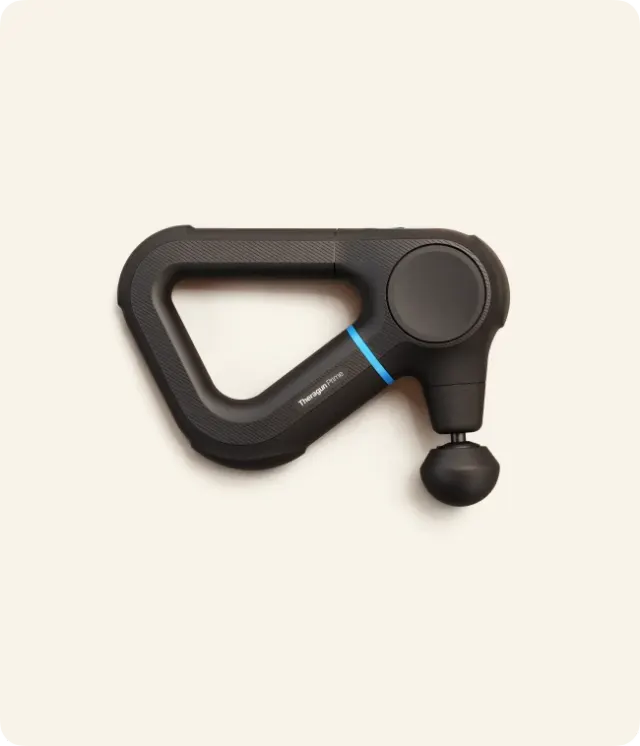
Theragun Prime (6th Gen)
The classic triangle-grip Theragun, now tougher, drop-rated and app-coached
3 videos
AmazonBrand store
Massage guns and compression boots reviewers rate highest, from pocket-size to pro-grade
Recovery tech has gone mainstream. Percussion massage guns that once lived in pro training rooms now sell by the thousands on Amazon and TikTok Shop, and air-compression boots have followed them into living rooms. The pitch is simple: a few minutes of targeted percussion, or a 20- to 30-minute session of rhythmic compression, may help reduce perceived soreness and make warm-ups feel easier. None of these devices is a medical treatment, and none replaces sleep, nutrition or smart programming, but reviewers consistently find them useful for loosening tight spots between sessions.
products
The classic triangle-grip Theragun, now tougher, drop-rated and app-coached
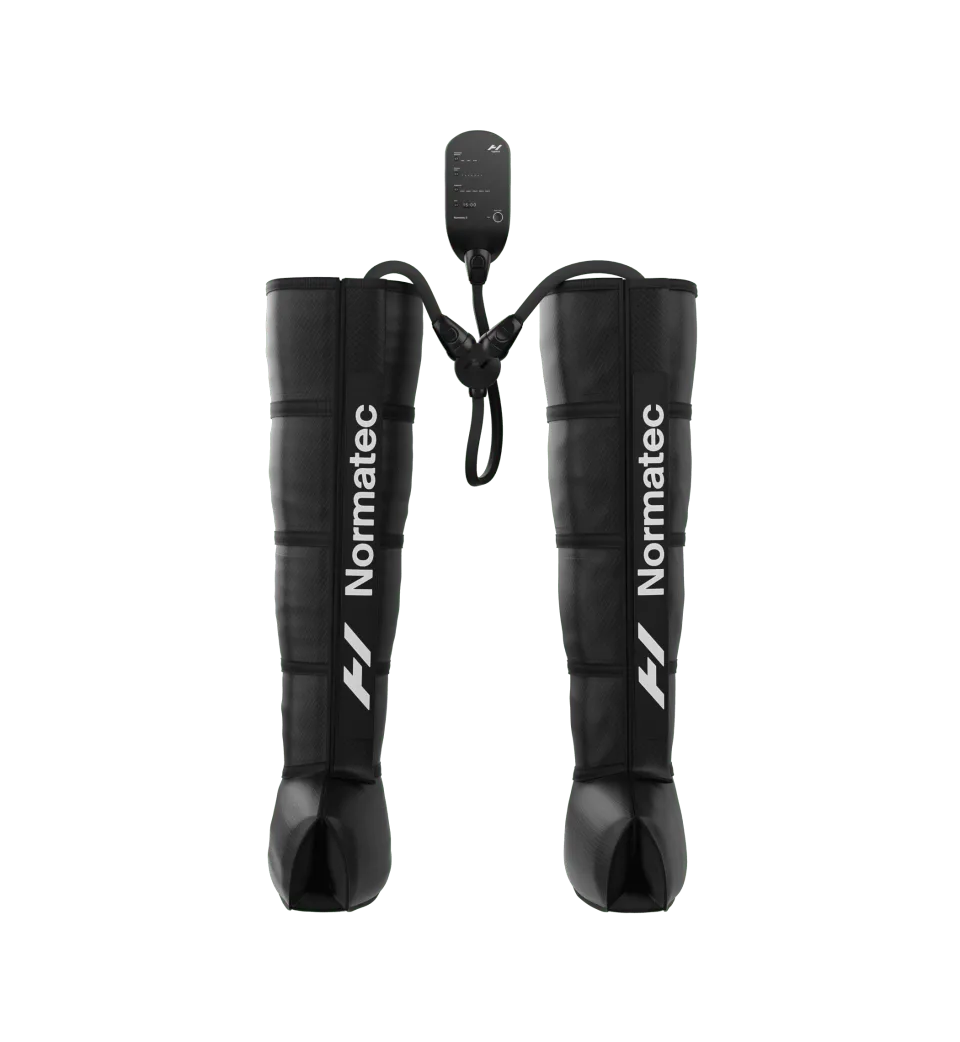
The benchmark air-compression boots, with seven pressure levels and ZoneBoost
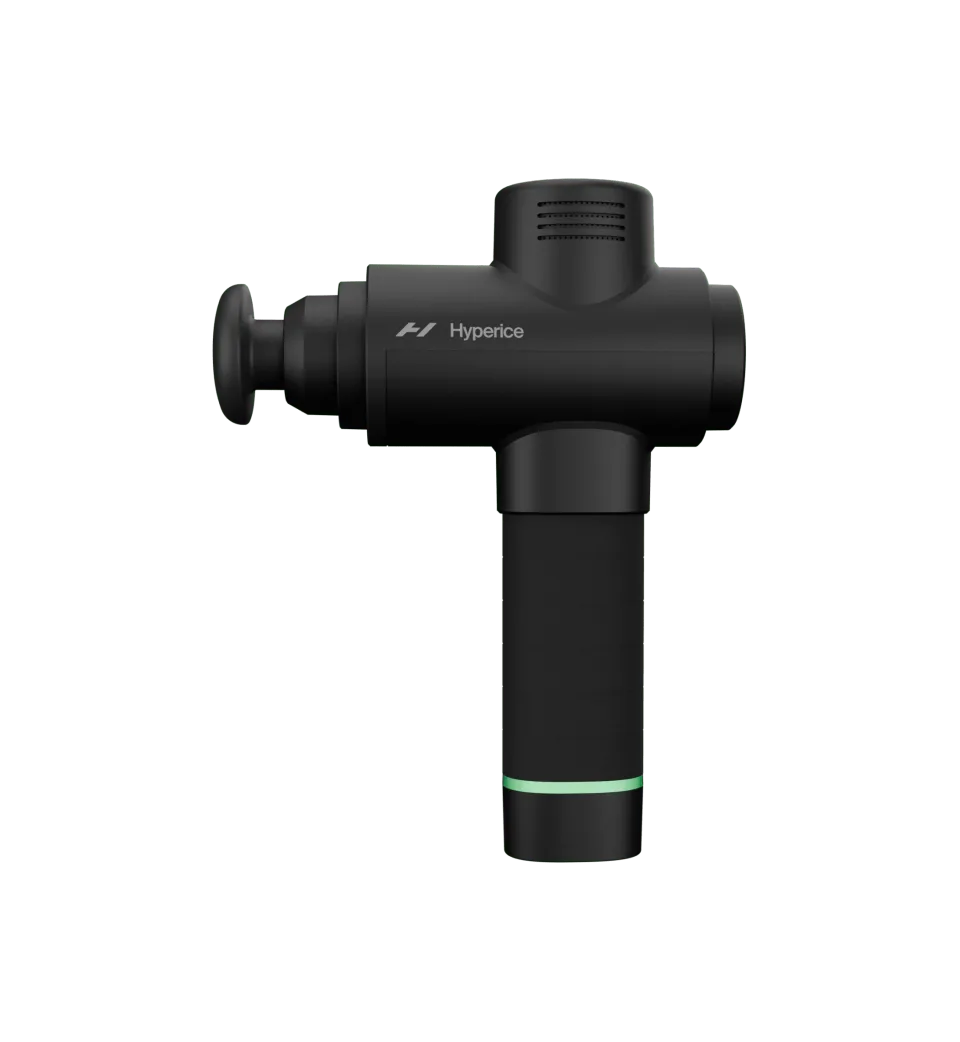
A proven full-size gun with a 3-hour battery, five heads and QuietGlide
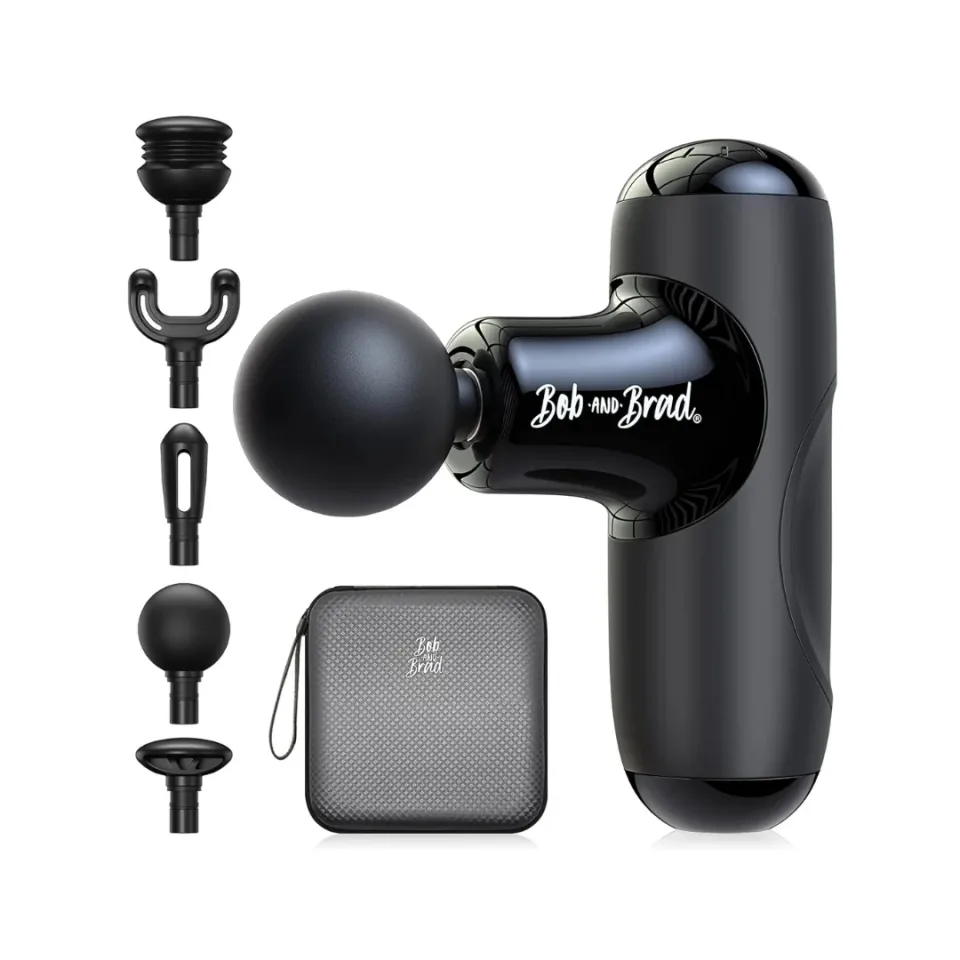
The pocket-size, PT-backed mini gun that took over Amazon and TikTok Shop

A budget favorite that nails the basics for well under $100
Buying guide
The handful of things that actually matter — and the marketing you can ignore.
Amplitude is how far the head travels with each stroke. Full-size premium guns typically run 12 to 16 mm, while minis usually sit around 7 to 10 mm, which is why they feel lighter on big muscles like glutes and quads. Stall force is how hard you can press before the motor bogs down. It matters if you like to lean in, but it's also the most inflated number on budget listings, so treat claims of 50-plus pounds on a $60 gun with skepticism. Independent reviewers who press-test guns on camera are a better guide than the box.
You'll use a quiet gun more often, especially in a shared apartment or office, so noise deserves real weight in your decision. Ergonomics matter just as much: Theragun's triangle handle offers several grip angles for reaching your own back, while straight-handled guns like the Hypervolt feel more natural on legs and arms. Full-size guns weigh roughly 1.5 to 2.5 pounds; minis come in under a pound, which makes them far more likely to end up in your gym bag. If you can, watch a few video reviews that show the gun in hand before you buy.
Two to three hours of runtime is typical, and that's plenty for most people who use a gun for 10 to 15 minutes a day. USB-C charging is a genuine convenience for travel, while pro-leaning models sometimes offer swappable batteries. Count the attachments you'll actually use (a ball, a flat head and a dampener cover most needs) and check what's in the box, since some premium guns now ship with fewer heads and no case. Bluetooth apps with guided routines are nice for beginners but not essential.
A massage gun is the better first purchase for most people: it's cheaper, portable and works on any muscle group in a few minutes. Compression boots like the Normatec 3 are a bigger commitment at around $900, take 20 to 60 minutes per session and need space to store. Reviewers find they shine for athletes logging high weekly volume, such as marathoners, cyclists and triathletes, who want a relaxing, hands-free way to recover while they read or watch TV. Many serious athletes end up owning both.
Video reviews
Head-to-head
Side-by-side comparisons of the massage guns & recovery people most often weigh against each other.
From the blog
Massage guns can loosen you up and take the edge off soreness, but they aren't magic. Here's what the research supports, what reviewers agree on, and how much to spend.
Viral doesn't mean good. We scored TikTok Shop's most-hyped fitness products on reviewer consensus, labels and value. Here's what actually deserves a spot in your cart.
Recovery tech has gone mainstream. Percussion massage guns that once lived in pro training rooms now sell by the thousands on Amazon and TikTok Shop, and air-compression boots have followed them into living rooms. The pitch is simple: a few minutes of targeted percussion, or a 20- to 30-minute session of rhythmic compression, may help reduce perceived soreness and make warm-ups feel easier. None of these devices is a medical treatment, and none replaces sleep, nutrition or smart programming, but reviewers consistently find them useful for loosening tight spots between sessions.
The hard part is separating real performance from spec-sheet marketing. Budget guns often quote big stall-force numbers that reviewers can't reproduce, while premium models justify their price with better ergonomics, quieter motors, tougher builds and app-guided routines. Compression boots are a different animal altogether: bigger, pricier and best suited to high-volume runners, cyclists and field athletes.
Our picks blend the consensus of independent video reviewers with a close read of specs, warranties and pricing. We weigh how each device performs under pressure, how loud it is, how long the battery lasts, how comfortable it is to hold, and whether the price makes sense for how often you'll realistically use it.
The research, standards and guidance behind this massage guns & recovery guide.