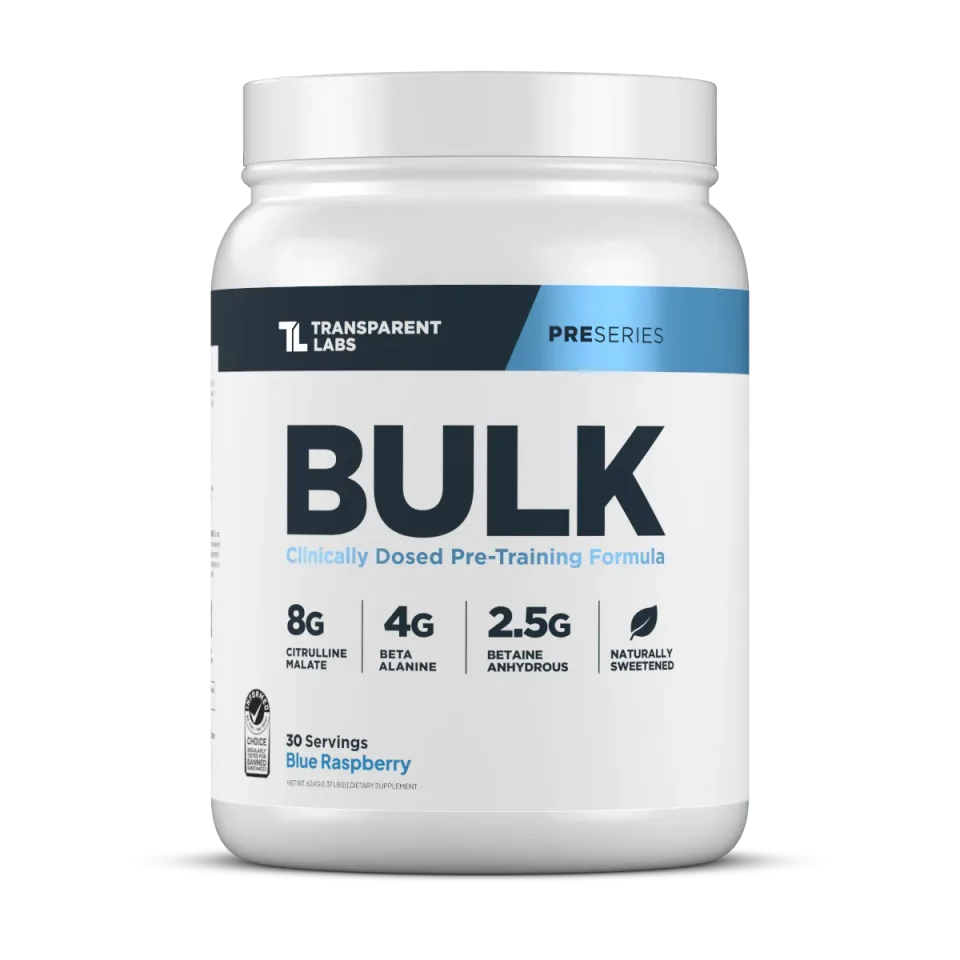
Best Overall
FR Score 9.0 out of 10, Exceptional
Transparent LabsPre-Workout
BULK Pre-Workout
Clinically dosed, stevia-sweetened and Informed Choice certified
5 videos
AmazonTikTok ShopBrand store
Pre-workouts ranked on real doses, caffeine, testing and what reviewers actually report
A pre-workout is a powdered drink taken 20–40 minutes before training to boost energy, focus, pumps and endurance. Most formulas are built on a handful of common ingredients: caffeine for energy and alertness, beta-alanine for endurance in high-rep sets (the source of the harmless tingles), creatine and sometimes betaine for strength output, and L-citrulline, which is marketed for blood flow and pumps but shows small, inconsistent effects in studies. The difference between a great tub and a gimmicky one is almost always dosing and disclosure.
Our top picks
products
Clinically dosed, stevia-sweetened and Informed Choice certified
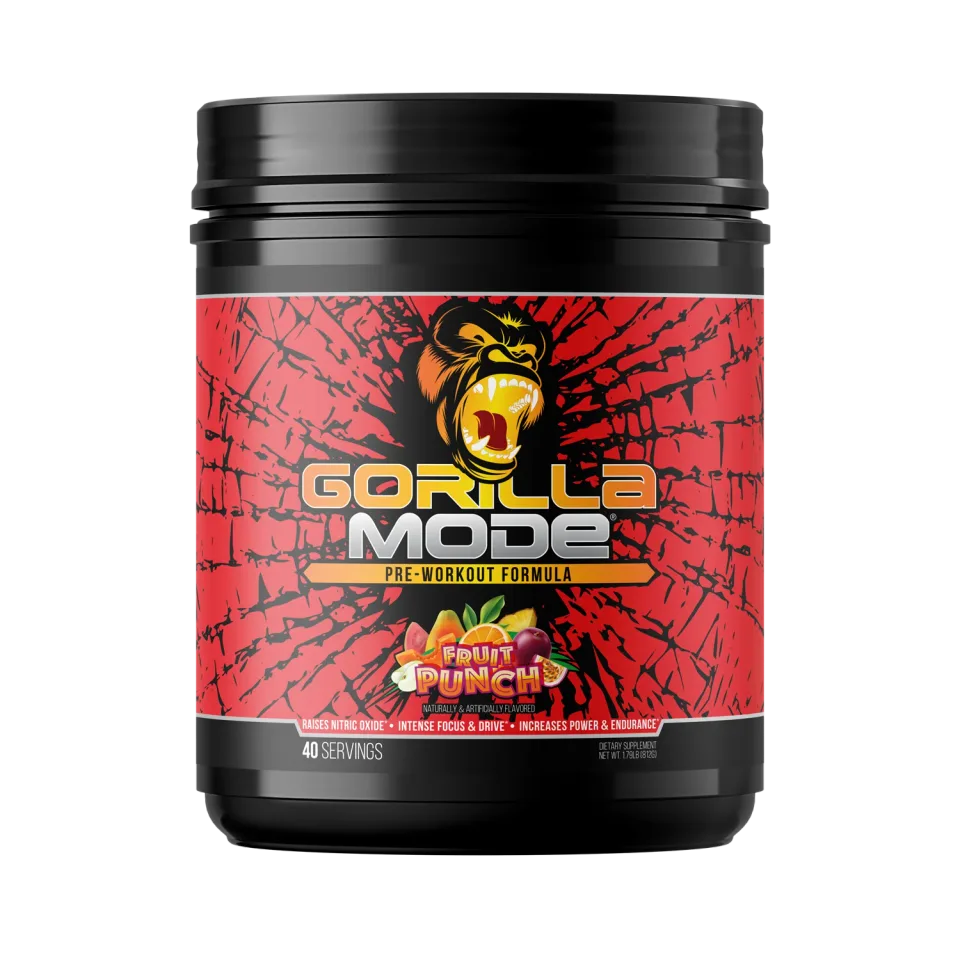
Maximum-dose high-stim pre: 10 g citrulline and 400 mg caffeine per full serving
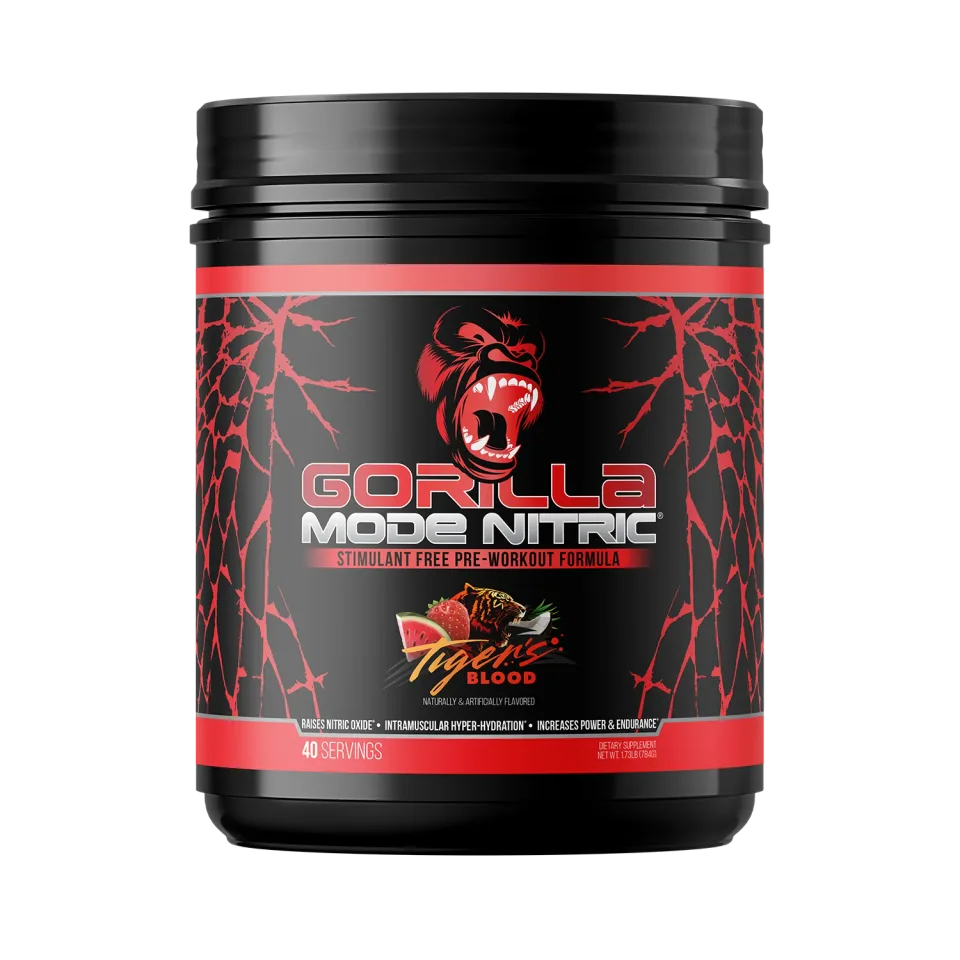
Stim-free pump pre: 10 g citrulline, 5 g creatine, glycerol and electrolytes
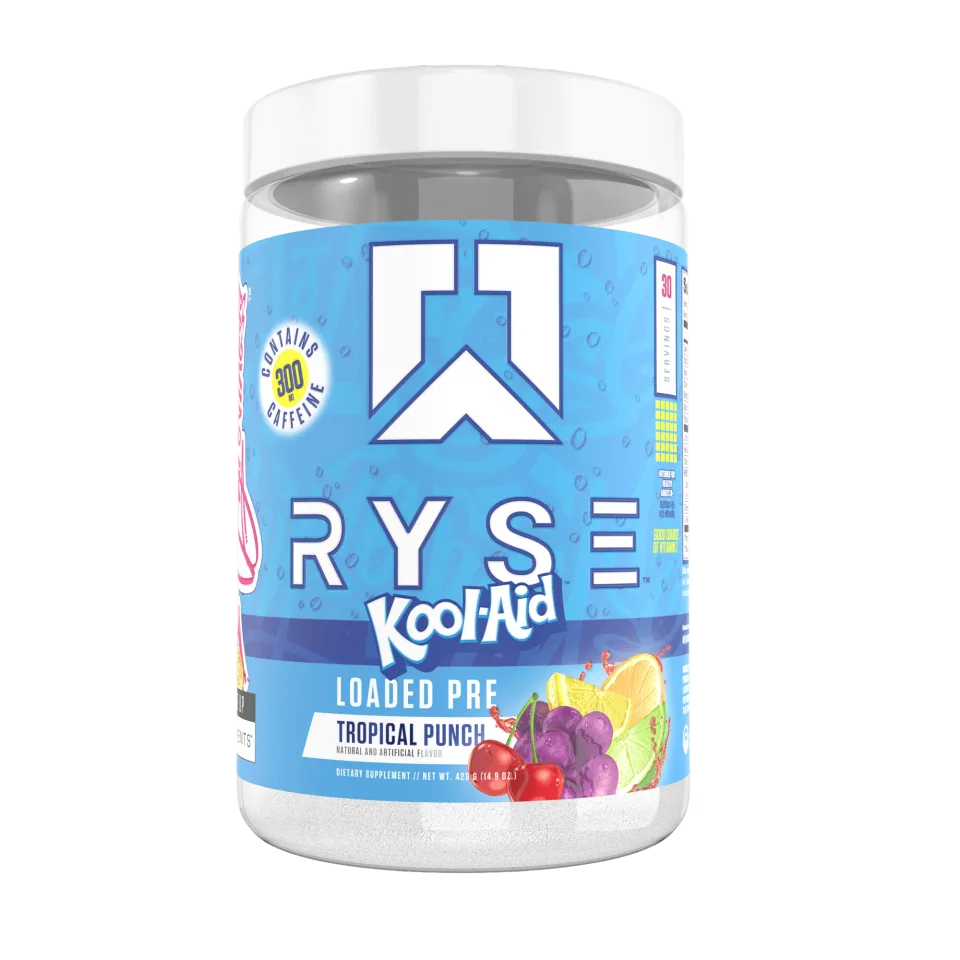
TikTok Shop's pre-workout juggernaut: licensed candy flavors and about 300 mg caffeine
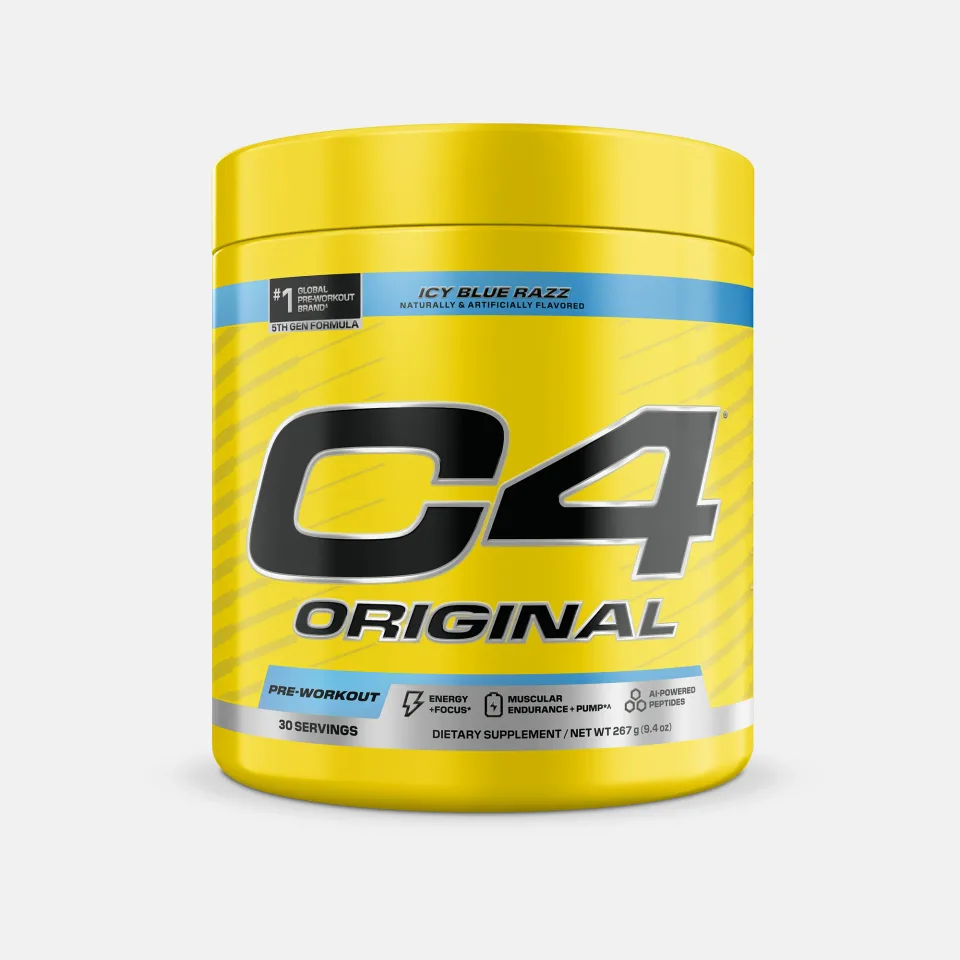
The classic budget pre: under $1 a scoop, fun flavors and beginner-friendly doses
Buying guide
The handful of things that actually matter — and the marketing you can ignore.
Skip proprietary blends that list a total weight but hide individual doses. With a transparent label you can compare each ingredient to research: studies on citrulline commonly use 6–8 g of citrulline malate or roughly 3–6 g of pure L-citrulline, beta-alanine research generally uses about 3–6 g a day taken consistently, and betaine is typically studied at 2.5 g. Creatine works at 3–5 g daily whether or not it is in your pre-workout. Watch for formulas that sprinkle in trendy ingredients at tiny doses, which pads the ingredient list without adding much.
Caffeine drives most of what people feel from a pre-workout. Around 150–200 mg per serving suits beginners and daily users, 300–400 mg is firmly high-stim territory, and stim-free formulas rely on pump ingredients alone. Research on performance commonly uses about 3–6 mg of caffeine per kilogram of body weight, and tolerance builds quickly. Because caffeine can disrupt sleep for hours, evening lifters often do better with a stim-free option. Always count other sources such as coffee, energy drinks and fat burners toward your daily total.
Pre-workouts are among the supplement categories most often linked to banned or undeclared stimulants such as DMAA, so testing matters more here than almost anywhere. NSF Certified for Sport and Informed Sport test production lots for substances banned in competitive sport, which is essential if you are drug-tested; Informed Choice tests random retail samples and is aimed at recreational users. Some brands also publish batch test results for purity and label accuracy. A certification does not make a product more effective, but it is strong evidence that what is on the label is what is in the tub.
Serving counts can mislead. Some high-dose formulas advertise 40 servings but recommend two scoops for the full effect, which halves the real number of workouts per tub. Divide the price by the number of full doses you will actually use, then compare that with the ingredient doses you get. A $25 tub with light doses can be the better buy if you mainly want caffeine and flavor, while a $50–$60 tub makes sense if you want research-level pumps and endurance ingredients in one scoop.
Video reviews
Head-to-head
Side-by-side comparisons of the pre-workout people most often weigh against each other.
From the blog
Pre-workout labels are built to impress, not inform. Learn which ingredients matter, the doses research actually uses, and the simple math that exposes underdosed formulas.
Viral doesn't mean good. We scored TikTok Shop's most-hyped fitness products on reviewer consensus, labels and value. Here's what actually deserves a spot in your cart.
NSF, Informed Sport, Informed Choice, USP: what each supplement seal actually checks, what vague lab-tested claims miss, and how to verify a certification yourself.
A pre-workout is a powdered drink taken 20–40 minutes before training to boost energy, focus, pumps and endurance. Most formulas are built on a handful of common ingredients: caffeine for energy and alertness, beta-alanine for endurance in high-rep sets (the source of the harmless tingles), creatine and sometimes betaine for strength output, and L-citrulline, which is marketed for blood flow and pumps but shows small, inconsistent effects in studies. The difference between a great tub and a gimmicky one is almost always dosing and disclosure.
We rank these picks by blending three things: what independent reviewers on YouTube and TikTok consistently report about energy, crash, pumps and taste; what the fully disclosed label delivers compared with the doses used in research; and the real cost per effective serving. Proprietary blends that hide individual amounts lose points.
Caffeine is the number to check first. The formulas here range from zero to 400 mg per full serving, and the FDA cites about 400 mg a day as an amount not generally associated with negative effects in healthy adults. Count your coffee and energy drinks too, start with a half or single scoop, and avoid stimulants late in the day. If you are pregnant, have a heart condition or take medication, talk to your doctor before using a stimulant pre-workout.
The research, standards and guidance behind this pre-workout guide.