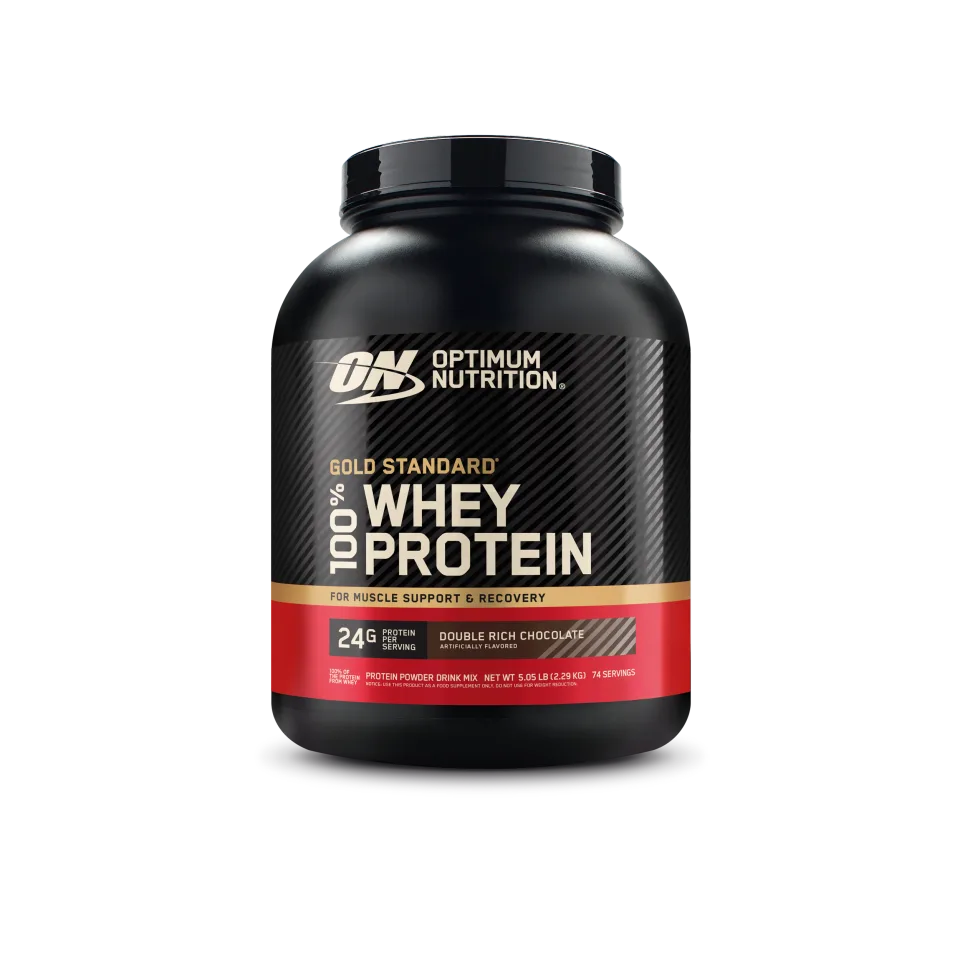
Best Overall
FR Score 9.1 out of 10, Exceptional
Optimum NutritionProtein Powder
Gold Standard 100% Whey
The benchmark whey: 24 g protein, Informed Choice certified, 15+ flavors
5 videos
AmazonTikTok ShopBrand store
Whey, isolate and vegan proteins ranked by reviewer consensus, testing and cost per scoop
Protein powder is the easiest way to close the gap between the protein you eat and the protein your training calls for. Sports-nutrition research commonly cites about 1.6–2.2 g of protein per kilogram of body weight per day for people trying to build muscle, and a single scoop typically adds 20–30 g. The catch: tubs look alike, but formulas, sourcing and quality control vary a lot.
Our top picks
products
The benchmark whey: 24 g protein, Informed Choice certified, 15+ flavors
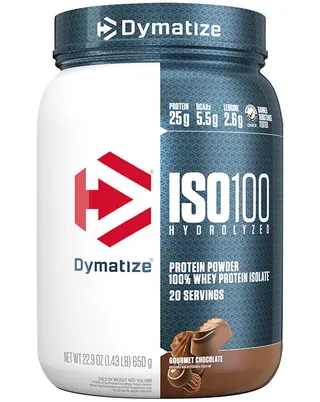
Hydrolyzed whey isolate: 25 g protein, 1 g sugar or less and cult-favorite flavors
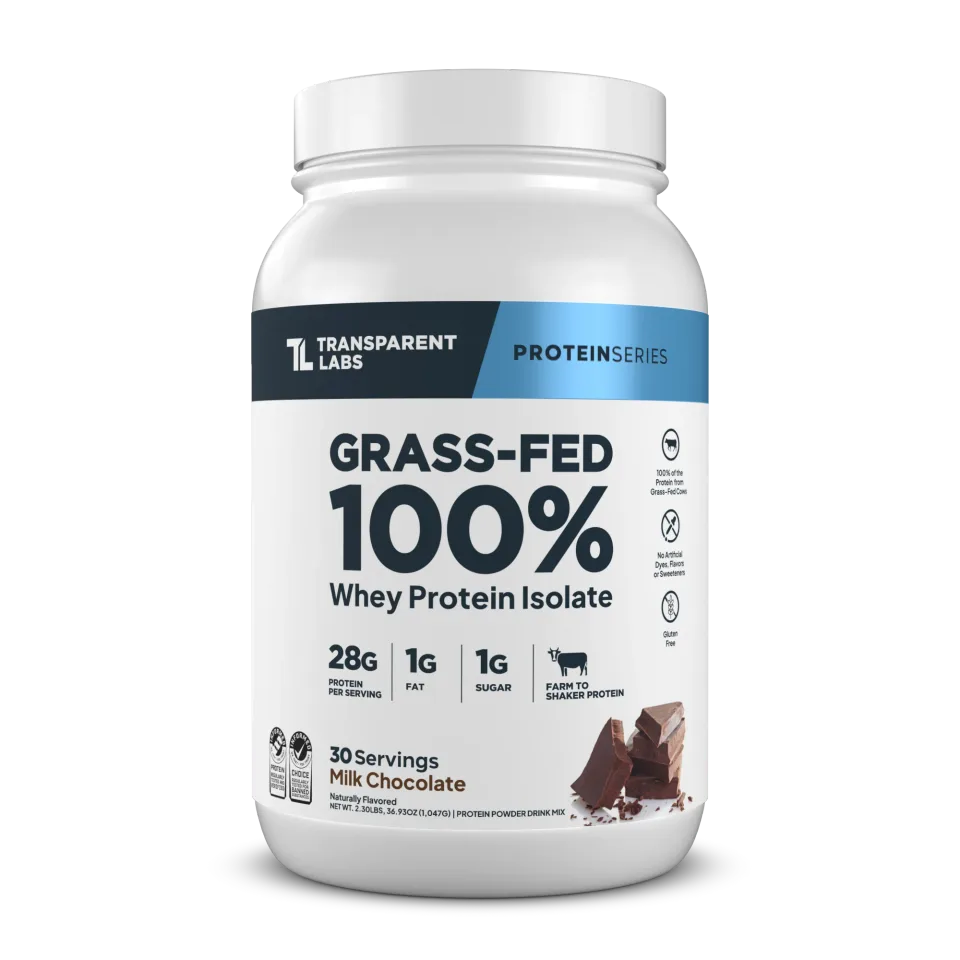
28 g grass-fed isolate, stevia-sweetened, certified and batch-tested
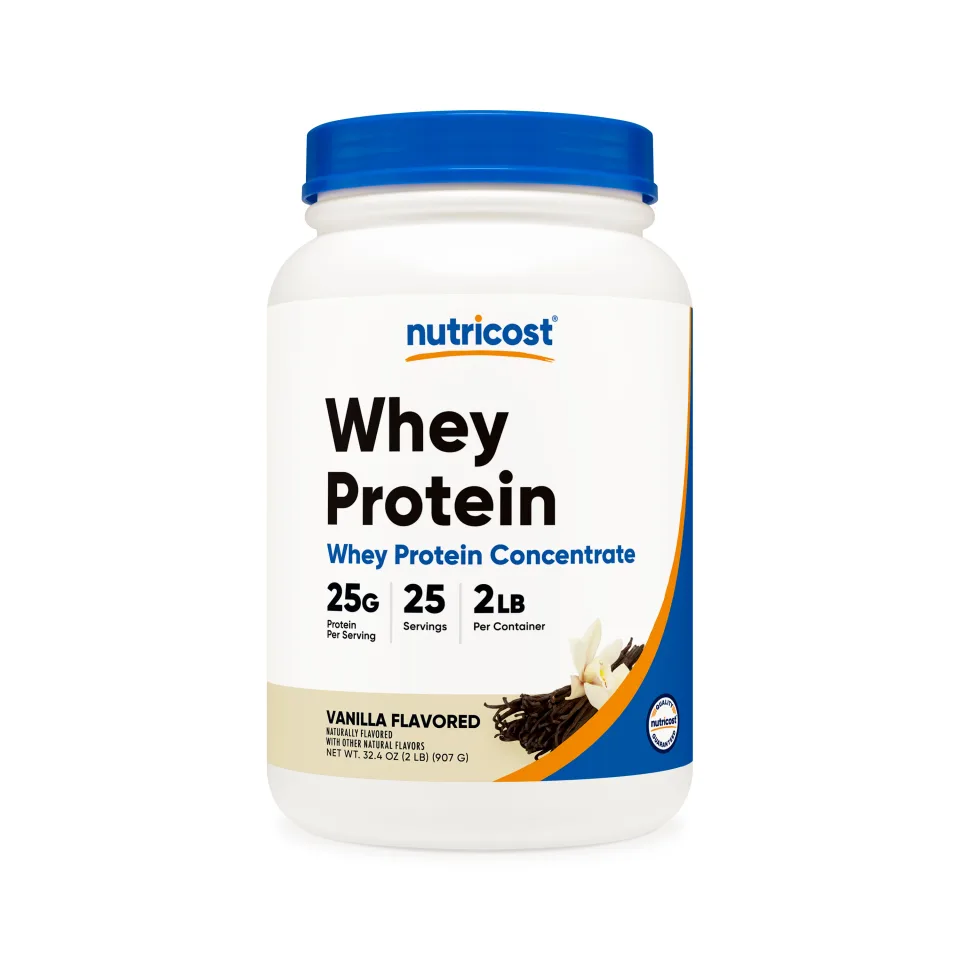
No-frills 25 g whey concentrate that reviewers name their budget pick
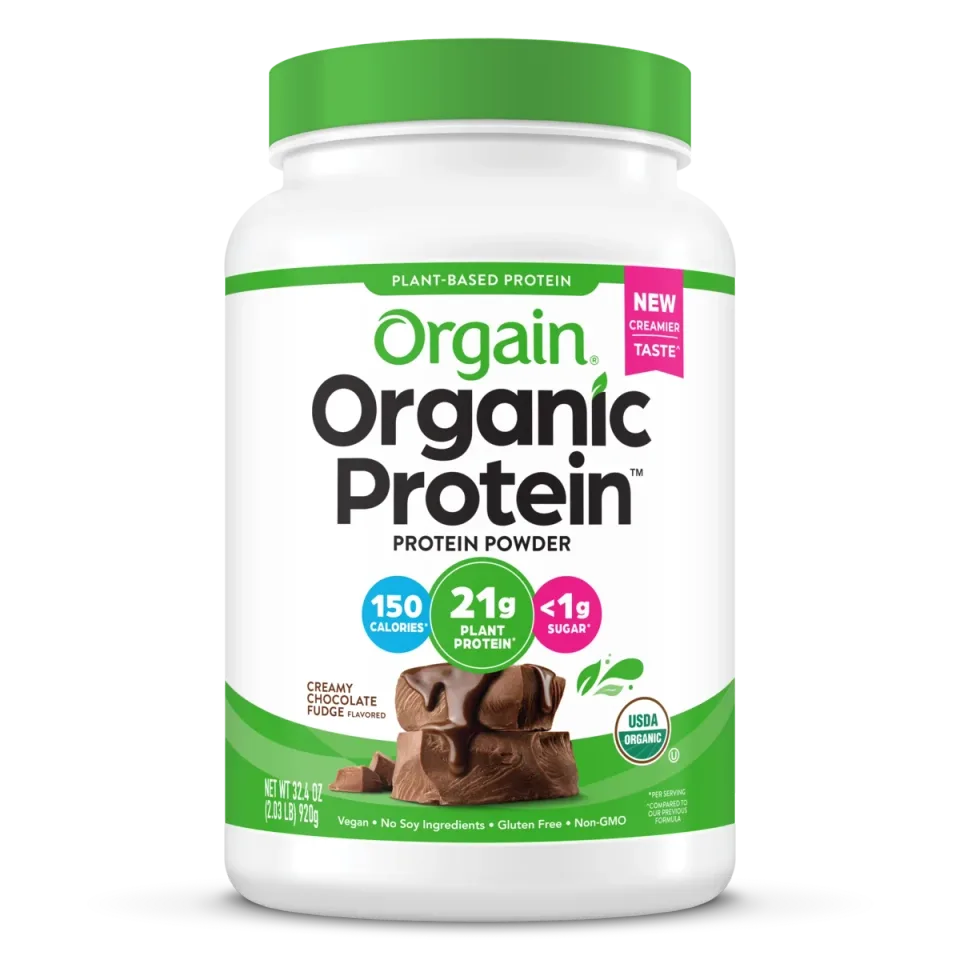
USDA Organic pea, rice and chia blend: 21 g vegan protein, 7 g fiber, no added sugar
Buying guide
The handful of things that actually matter — and the marketing you can ignore.
Whey concentrate is the cheapest and creamiest option, but it carries a little more lactose, fat and carbohydrate. Whey isolate is filtered further, so it usually lands at 25–28 g of protein with around 1 g of sugar and very little lactose, which many sensitive stomachs handle better. Hydrolyzed isolate is pre-broken into smaller peptides for fast digestion, and you pay extra for it. Blends such as Gold Standard lead with isolate but include concentrate to keep costs down. Plant proteins combine pea, rice and seeds to round out the amino acid profile, but they typically deliver less protein per calorie and need bigger scoops. Choose based on your budget, your digestion and your macro targets.
A label is only a promise. Informed Choice, Informed Sport and NSF Certified for Sport programs test products for banned substances, which matters if you compete in drug-tested sports and is a good quality signal for everyone else. Some brands also publish batch certificates of analysis. Contaminants are a separate question: Consumer Reports' October 2025 investigation measured lead, cadmium and arsenic in popular powders and found the biggest problems in plant-based products and some mass gainers. Check whether a product carries a California Prop 65 warning, look up independent test results, and rotate protein sources rather than relying on several scoops a day of one plant powder.
Sticker price is misleading because tubs differ in servings and in grams of protein per scoop. Divide the price by the number of servings, then compare the cost per 25 g of protein. Big tubs and Amazon Subscribe & Save usually cut the cost by 5–15 percent. Whey prices rose sharply in 2025–26, and at research time several name brands cost about the same per serving as so-called budget brands, so do the math instead of trusting reputations. Premium clean-label isolates can run above $2 per serving, while mainstream blends sit closer to $1.10–$1.60 in large sizes.
Most mainstream wheys use sucralose and acesulfame potassium, which keep calories low and flavors bold but bother some people. Clean-label brands switch to stevia or monk fruit, which can taste slightly bitter, and unflavored tubs skip sweeteners entirely for cooking and smoothies. Reviewers consistently reward powders that dissolve with a spoon or a few shakes without clumps or foam. If you are unsure about a flavor, buy a small tub or sample pack before committing to 5 lb, and check reviews for the specific flavor, since quality can vary widely within one brand's lineup.
Video reviews
Head-to-head
Side-by-side comparisons of the protein powder people most often weigh against each other.
From the blog
Both can build muscle. The right pick comes down to digestion, diet, taste, contaminant testing, and cost per gram of protein. Here's how to choose with confidence.
NSF, Informed Sport, Informed Choice, USP: what each supplement seal actually checks, what vague lab-tested claims miss, and how to verify a certification yourself.
Protein powder is the easiest way to close the gap between the protein you eat and the protein your training calls for. Sports-nutrition research commonly cites about 1.6–2.2 g of protein per kilogram of body weight per day for people trying to build muscle, and a single scoop typically adds 20–30 g. The catch: tubs look alike, but formulas, sourcing and quality control vary a lot.
We rank these picks by blending three things: what independent video reviewers consistently report about taste, mixability and day-to-day use; what the label and third-party testing actually show; and what you pay per serving at current prices. Whey concentrate is the budget workhorse, whey isolate filters out most lactose and fat for leaner macros, and plant blends built on pea and rice serve vegans and the dairy-averse.
Two things matter more than marketing. First, certification such as Informed Choice, Informed Sport or NSF Certified for Sport, which screens for banned substances. Second, contaminant data: Consumer Reports' October 2025 testing found plant-based powders carried roughly nine times more lead on average than dairy-based ones, so we flag those results where they exist. Whey prices also climbed sharply in 2025–26, so always check the per-serving math before you buy.
The research, standards and guidance behind this protein powder guide.