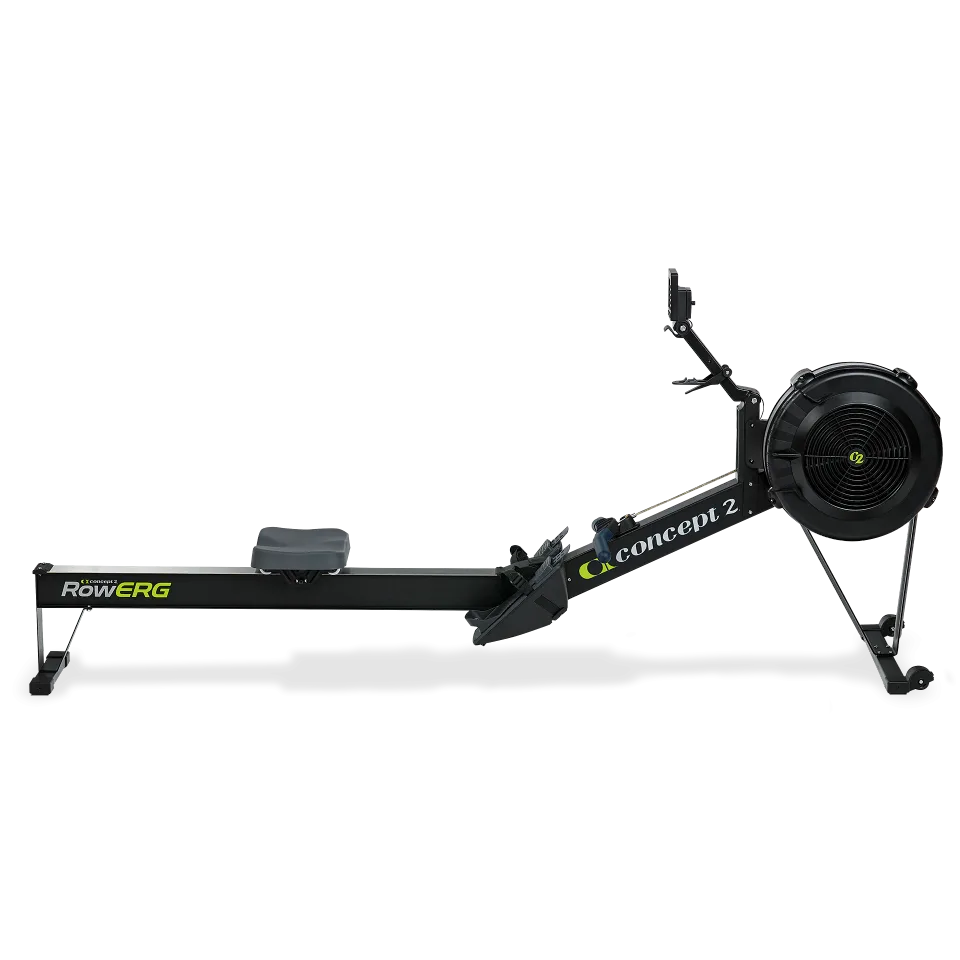
Best Overall
FR Score 9.4 out of 10, Exceptional
Concept2Cardio Machines
RowErg
The rower gyms and athletes trust, built to last for decades
5 videos
AmazonBrand store
Walking pads, folding treadmills, rowers and bikes that earn their floor space
Home cardio has split into two camps: machines you tuck away after every session and machines you build a corner around. Walking pads are the breakout category of the past few years: slim, motorized belts that slide under a bed or standing desk and top out around 4 mph. Two-in-1 models add a fold-up handle and a faster running mode, while full folding treadmills bring real running decks, incline and bigger motors in exchange for more weight and a higher price. Rowers and indoor bikes round out the category with low-impact training in a modest footprint.
Our top picks
products
The rower gyms and athletes trust, built to last for decades
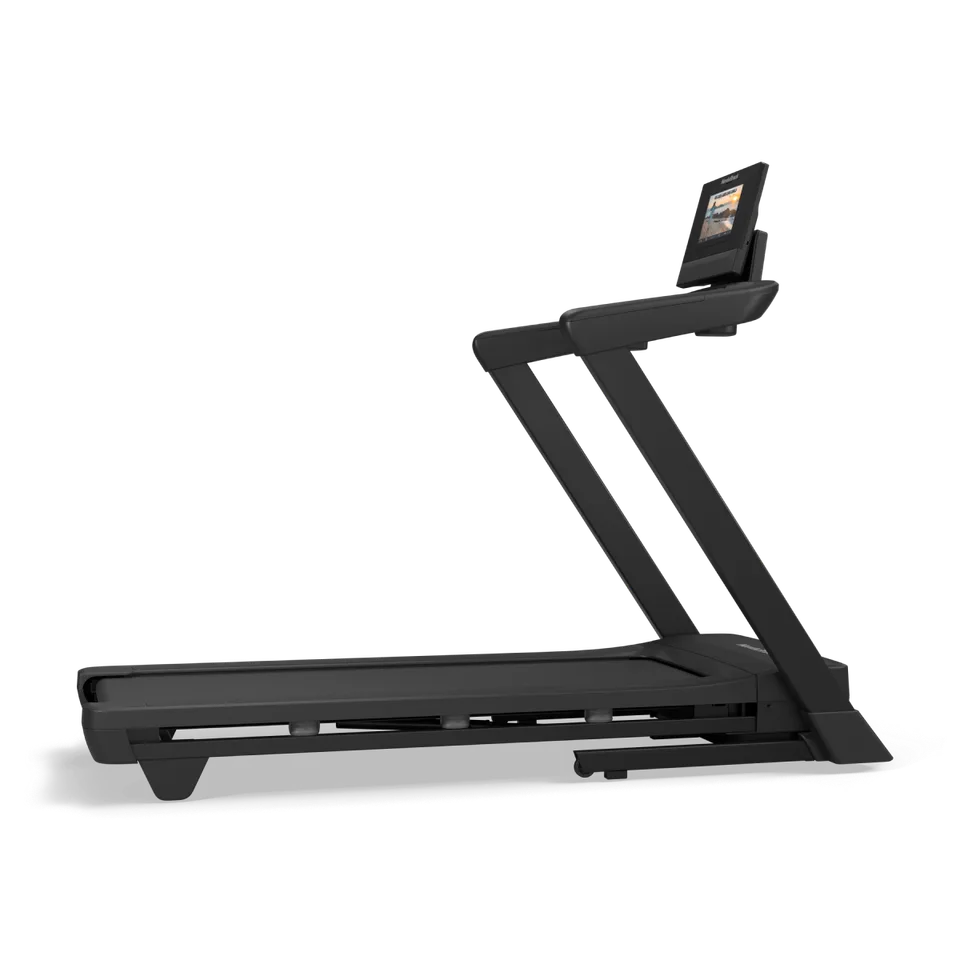
A roomy folding treadmill with 12% incline and a tilting 10-inch touchscreen
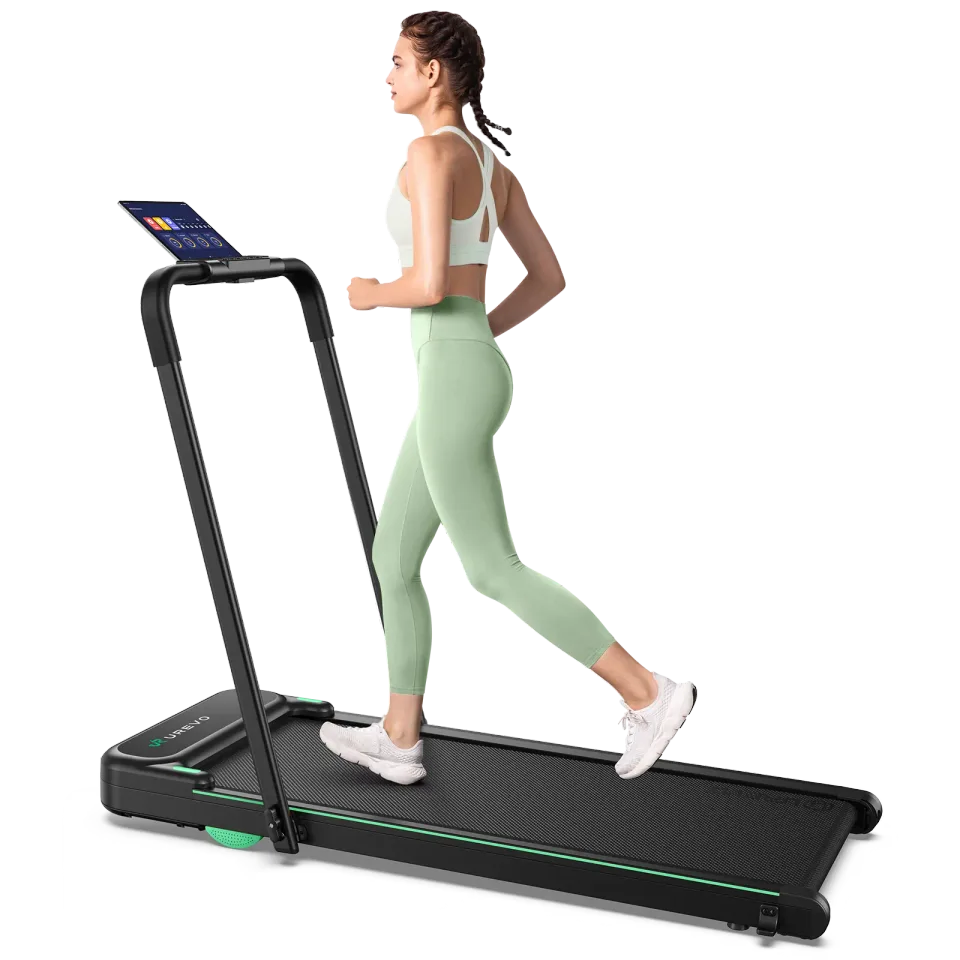
Walking pad by day, jogging treadmill by night, for under $200
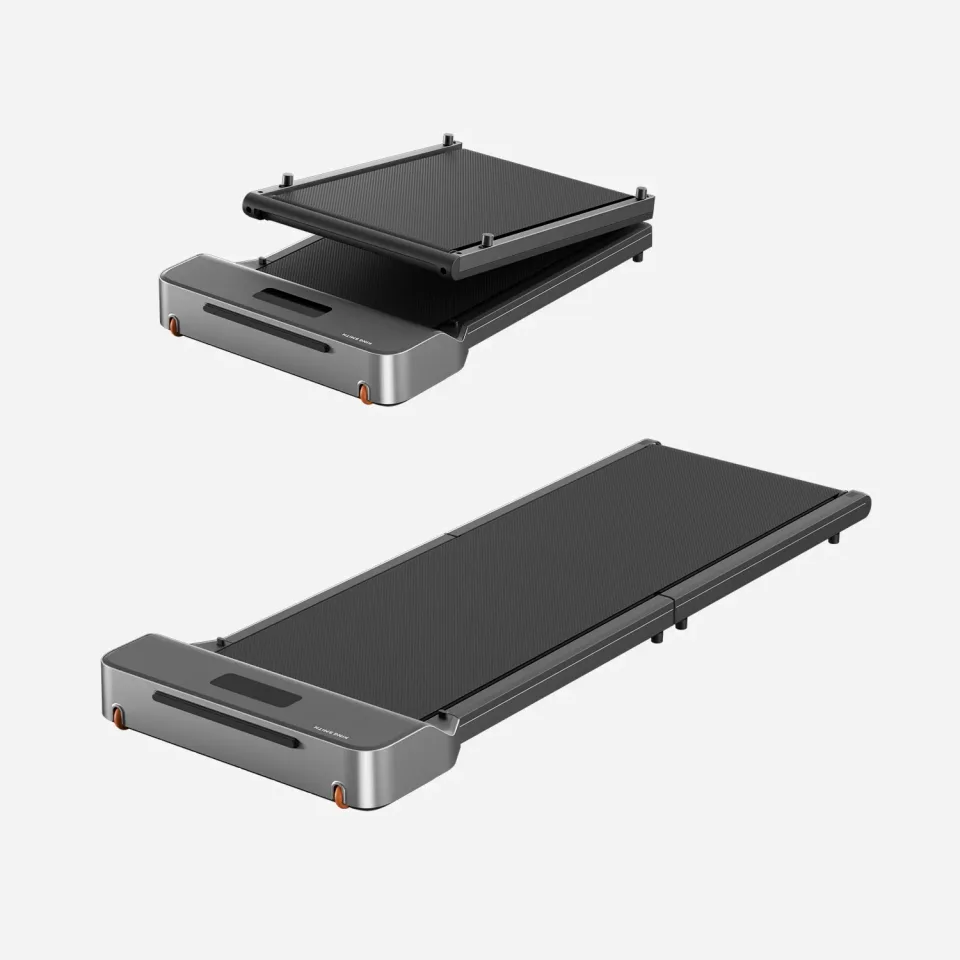
A slim walking pad that folds in half to hide in a closet or under a bed
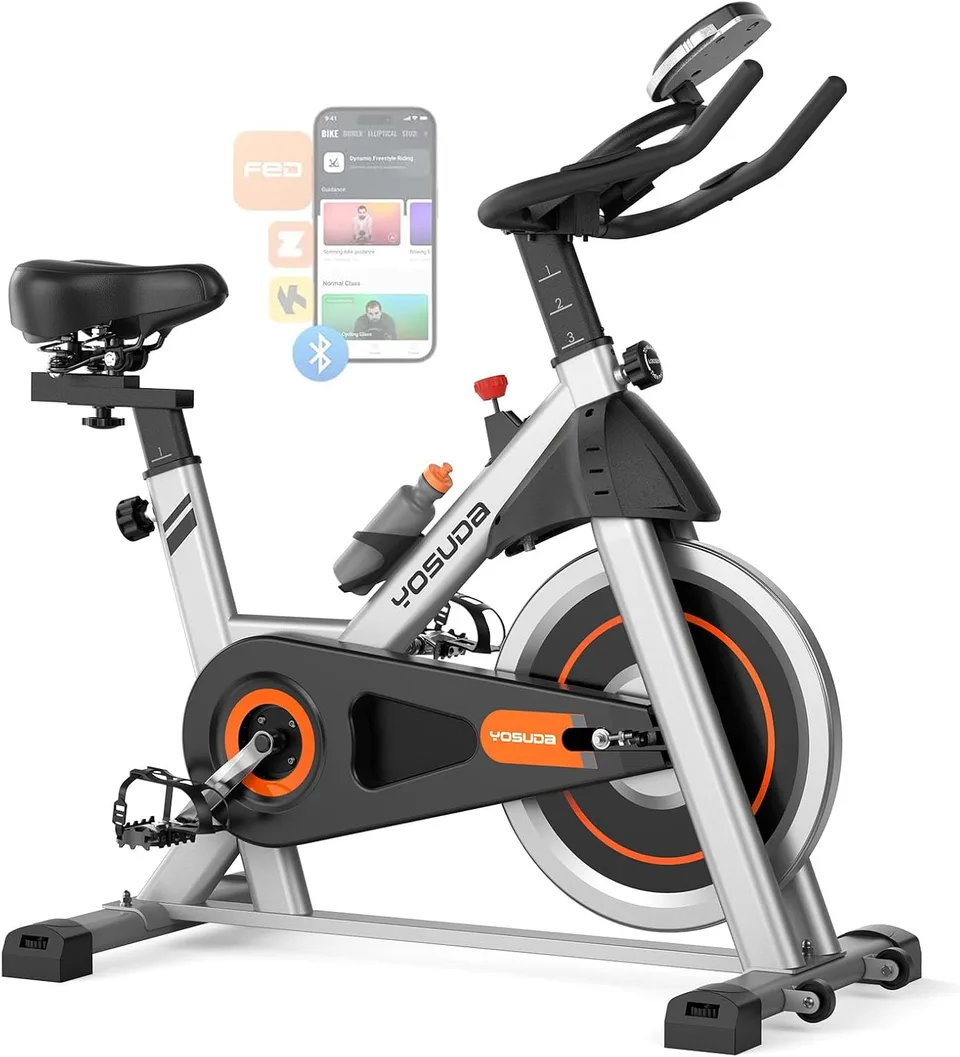
A go-to budget spin bike: stable, quiet and about $200
Buying guide
The handful of things that actually matter — and the marketing you can ignore.
Measure before you buy. A walking pad needs roughly 5 by 2 feet of floor in use, plus clearance behind it, and it only slides under a sofa or bed if the gap is at least 5 to 6 inches. Fold-in-half pads like the WalkingPad Z1 cut storage length nearly in half, while 2-in-1 models fold their handle flat but keep their full length. Full folding treadmills tilt the deck upright, which saves floor space but not weight, so expect 200-plus pounds. Rowers are long (the Concept2 needs about 8 by 2 feet, and Concept2 recommends 9 by 4 feet with clearance), but many split into two pieces for storage; Concept2 advises against standing its RowErg on end because it can tip over. Indoor bikes have the smallest footprint of all.
Walking pads typically top out at 3.7 to 4 mph, which is plenty for a brisk desk walk but not for jogging. If you want to run even occasionally, choose a 2-in-1 with a running mode, usually around 6 mph, or a full treadmill that reaches 10 to 12 mph. Deck size matters as much as speed: walkers are comfortable on belts around 15 by 40 inches, while runners need a longer, wider deck; a common rule of thumb is at least 20 by 55 inches, ideally 20 by 60. Incline is the easiest way to raise intensity without running faster, so a 10 to 12 percent range is worth paying for if walking is your main workout.
Horsepower claims vary with how each brand measures them, so treat them as a rough guide. More telling are the listed user capacity (leave comfortable headroom above your body weight), the frame material and the warranty. Budget walking pads usually carry a one-year warranty, while established treadmill and rower brands offer long frame coverage with shorter parts and labor terms. Brushless motors tend to run cooler and quieter. Whatever you buy, follow the lubrication schedule in the manual, because a dry belt adds friction that strains the motor and shortens its life.
Connected features can be genuinely motivating, but check what works without a membership. On the NordicTrack T Series 10, trainer-led iFIT classes, auto-adjusting speed and incline, and streaming apps require a paid iFIT plan, while manual workouts do not (you still need a free iFIT account to operate it). Walking-pad apps from brands like UREVO and WalkingPad mainly log speed, time and steps. The Concept2 PM5 monitor works fully on its own and connects over Bluetooth and ANT+ to dozens of third-party apps. Budget bikes like YOSUDA pair with a companion app but work fine with a tablet and your favorite class. Factor any subscription into the true cost of ownership.
Video reviews
Head-to-head
Side-by-side comparisons of the cardio machines people most often weigh against each other.
From the blog
Walking pads win on price, noise, and storage; treadmills win on speed, incline, and running comfort. Here's how to match the machine to your space and goals.
Viral doesn't mean good. We scored TikTok Shop's most-hyped fitness products on reviewer consensus, labels and value. Here's what actually deserves a spot in your cart.
Home cardio has split into two camps: machines you tuck away after every session and machines you build a corner around. Walking pads are the breakout category of the past few years: slim, motorized belts that slide under a bed or standing desk and top out around 4 mph. Two-in-1 models add a fold-up handle and a faster running mode, while full folding treadmills bring real running decks, incline and bigger motors in exchange for more weight and a higher price. Rowers and indoor bikes round out the category with low-impact training in a modest footprint.
The right pick depends on how you will actually use it. If you want steps while you work, prioritize a quiet motor, a low deck and easy storage. If you plan to run, look for a deck at least 20 inches wide, a motor that can handle sustained running and a top speed near 10 to 12 mph. For rowers and bikes, a smooth resistance system, a stable frame and an honest weight rating matter more than screens.
Our FR Score blends the consensus of independent video reviewers with a close read of specs, build quality and warranty, plus value for money. Every pick here is a current, widely sold model with plenty of real-world reviews behind it.
The research, standards and guidance behind this cardio machines guide.