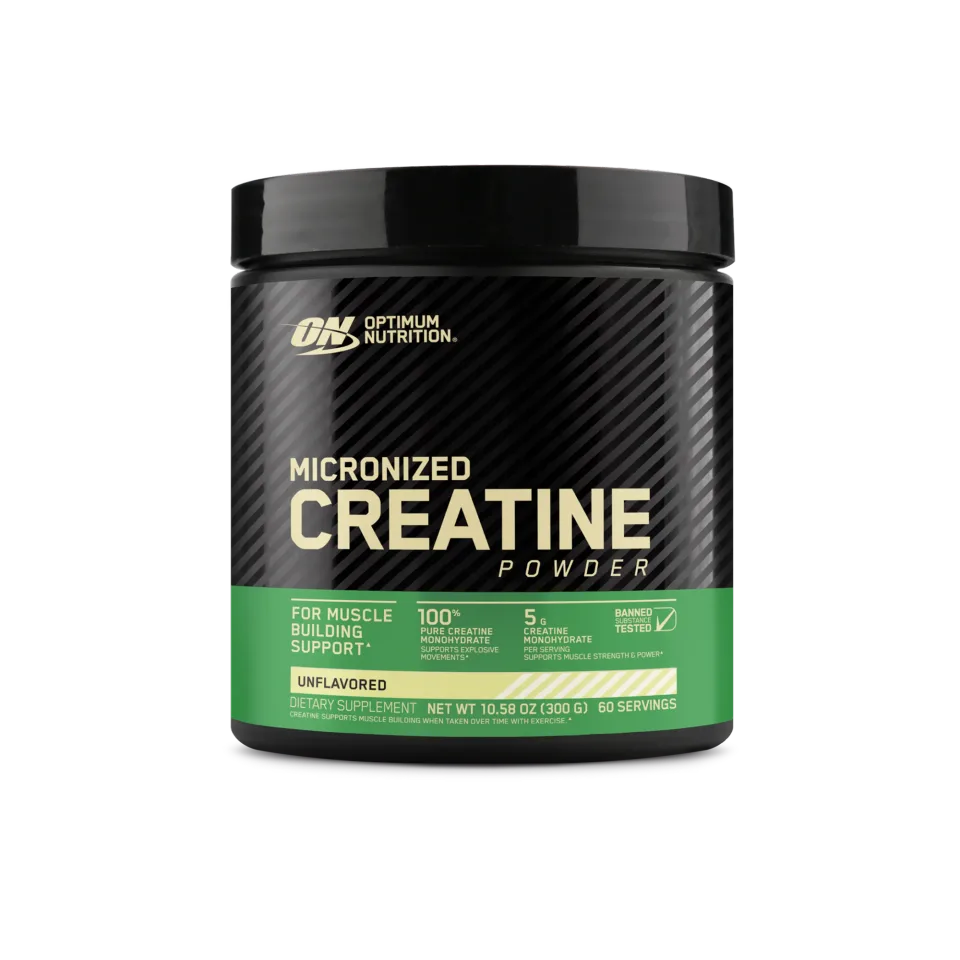
Best Overall
FR Score 9.2 out of 10, Exceptional
Optimum NutritionCreatine
Micronized Creatine Powder
5 g micronized monohydrate per scoop, Informed Choice tested, about 23 cents a serving
4 videos
AmazonTikTok ShopBrand store
Creatine powders and gummies ranked on purity, testing, dose accuracy and cost per serving
Creatine monohydrate is one of the most researched supplements in sports nutrition. Taken consistently alongside resistance training, it may support gains in strength, power and lean mass, and researchers are also studying its role in brain health. The research standard is simple: about 3–5 g of creatine monohydrate a day, with or without an optional loading phase.
products
5 g micronized monohydrate per scoop, Informed Choice tested, about 23 cents a serving
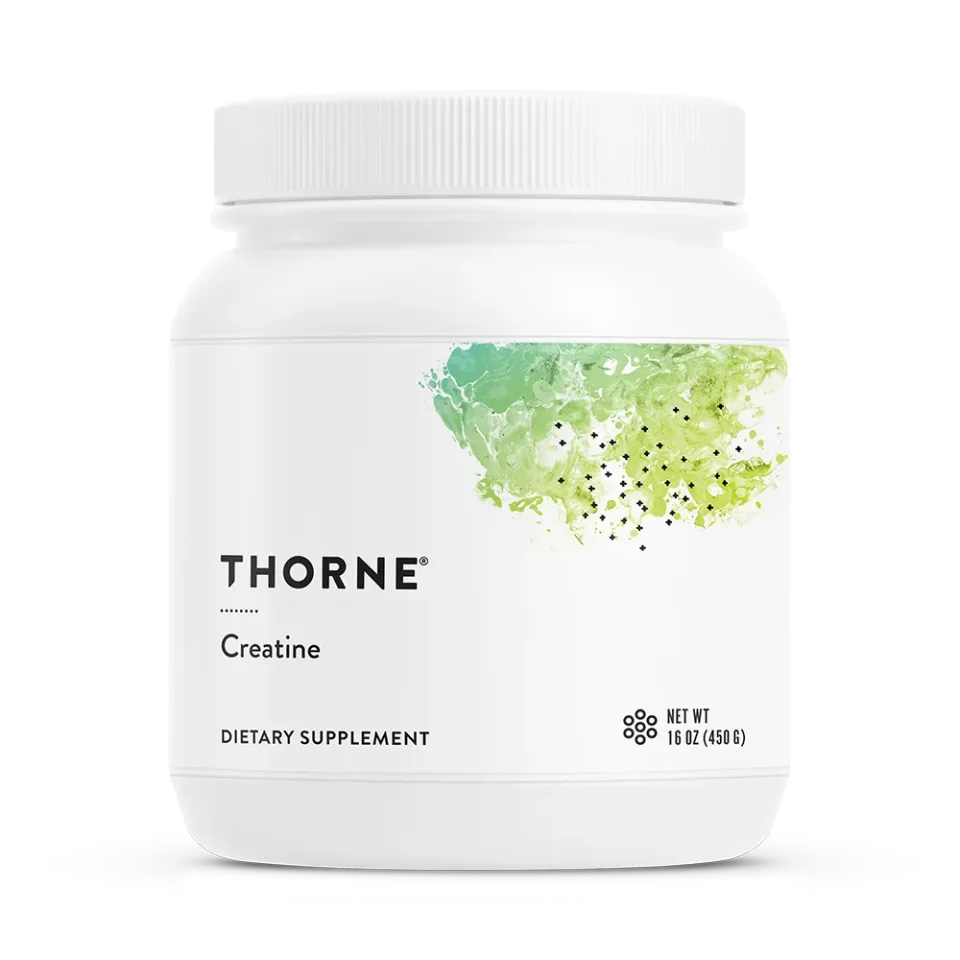
NSF Certified for Sport micronized creatine trusted by pro teams
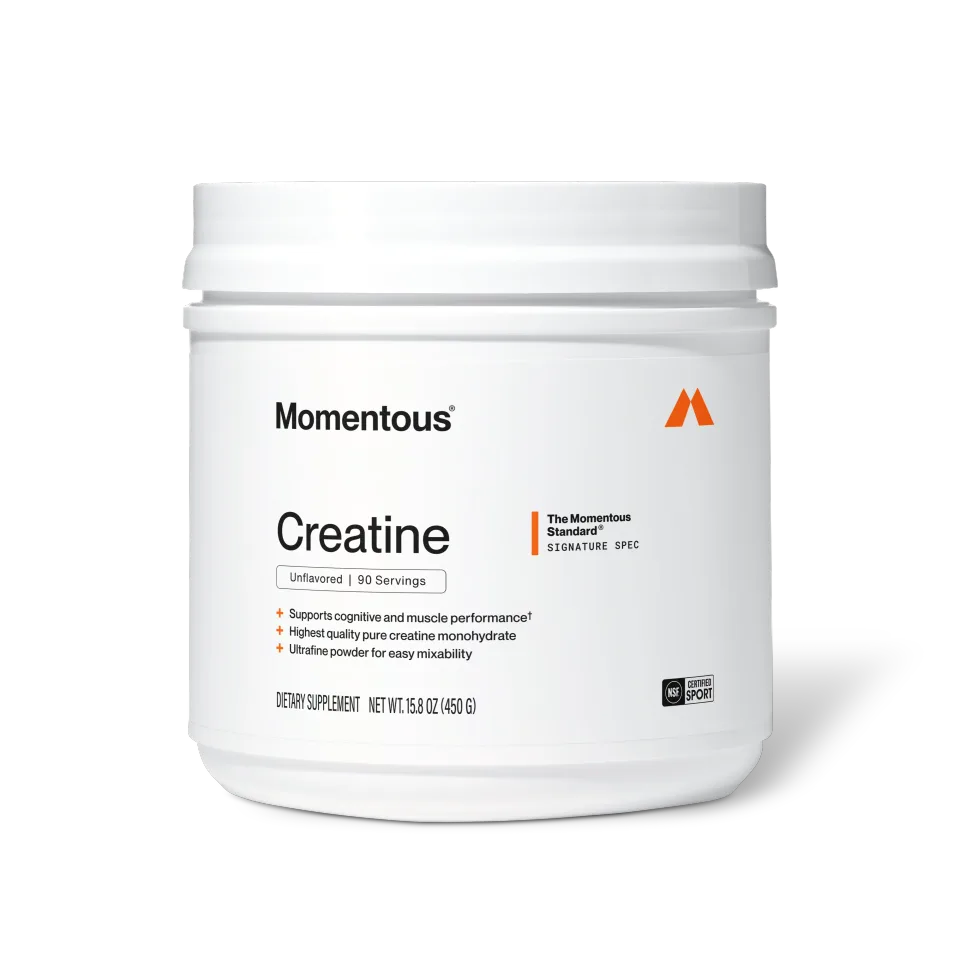
Premium NSF Certified creatine with a multi-lab testing program
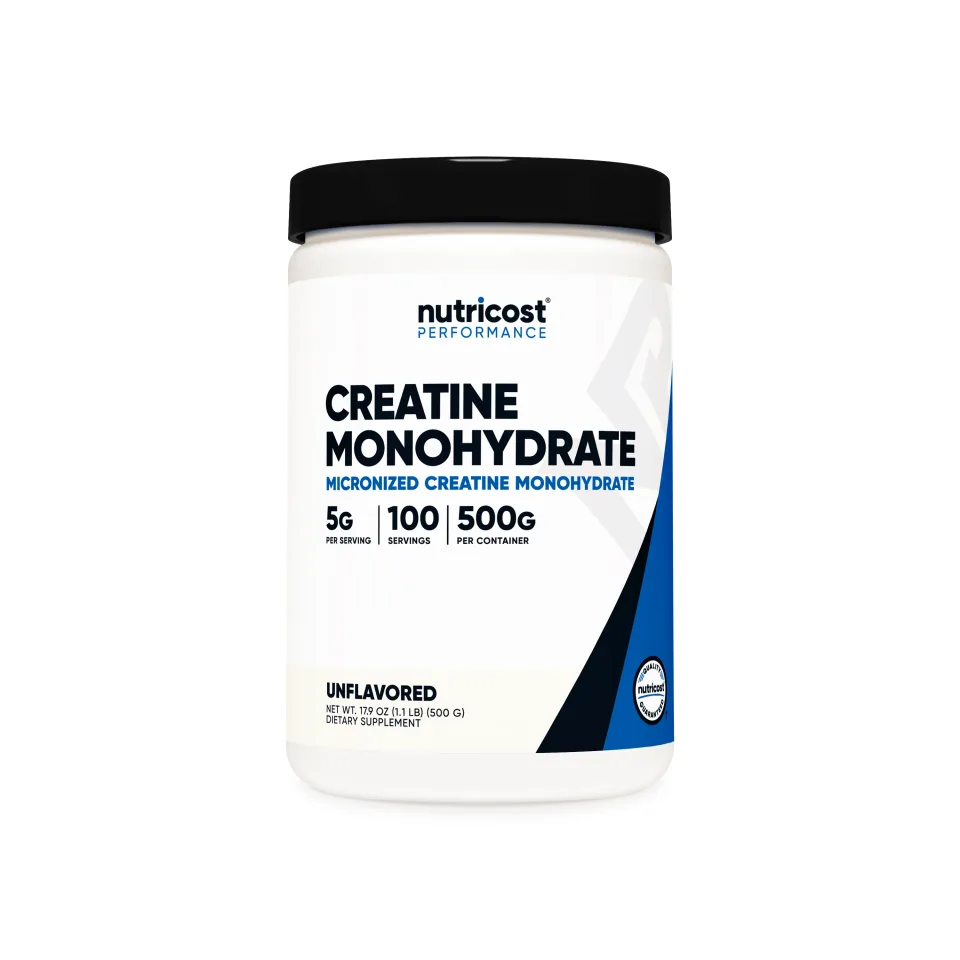
Micronized 5 g creatine for about 21 cents a serving, unflavored or flavored

TikTok-famous creatine gummy, now made with Creapure and NSF Certified for Sport
Buying guide
The handful of things that actually matter — and the marketing you can ignore.
Creatine monohydrate is the form used in the vast majority of research, and it is also the cheapest. Alternatives such as creatine HCl, buffered creatine or creatine nitrate cost more without strong evidence that they work better. Look for a label listing 5 g of creatine monohydrate per serving and little else. Micronized powders have smaller particles that disperse more easily in water, which helps with grit and clumping, although the creatine itself is the same. Unflavored powder is the most versatile because it disappears into coffee, shakes or juice.
Because creatine is so simple, quality control is the main differentiator. NSF Certified for Sport and Informed Sport test production lots for banned substances, and NSF certification also checks label claims, which is essential for drug-tested athletes; Informed Choice tests random retail samples and suits recreational users. Creapure is a branded creatine made in Germany with published purity standards, and some brands use it as a sourcing guarantee. Brands without those marks can still be good, especially if they publish certificates of analysis, but certification is the fastest way to verify what is in the tub.
A standard 5 g serving of creatine powder costs roughly $0.20 to $0.50, depending on brand and certification. Gummies are far more expensive, often $1.50 to $2 or more per daily dose, because each gummy holds only 1–1.5 g and you need several. Buying larger tubs usually lowers the price per serving, and creatine is stable as a dry powder, so bulk sizes make sense if you take it daily. Divide the price by the number of full servings rather than trusting the headline serving count.
Creatine can slowly convert to creatinine in moist, warm conditions, which is one reason gummies have struggled with independent testing. If you choose a gummy, look for third-party certification that includes label-claim testing, a brand that talks openly about stability testing, and a clear per-gummy dose so you know how many make a full serving. Check sugar and calories too, since several gummies a day add up. Store them somewhere cool and dry, and treat any product without independent testing with skepticism.
Video reviews
Head-to-head
Side-by-side comparisons of the creatine people most often weigh against each other.
From the blog
Creatine monohydrate is one of the most researched supplements in sports nutrition. Taken consistently alongside resistance training, it may support gains in strength, power and lean mass, and researchers are also studying its role in brain health. The research standard is simple: about 3–5 g of creatine monohydrate a day, with or without an optional loading phase.
Because nearly every product contains the same molecule, the differences come down to quality and price. We rank these picks by blending what independent reviewers on YouTube and TikTok consistently report about mixing, taste and day-to-day use; what the label and third-party testing show, such as NSF Certified for Sport, Informed Choice and Creapure sourcing; and the real cost per daily serving.
Gummies deserve extra scrutiny. In early 2024, NOW Foods published lab tests of 12 creatine gummy brands in which only six met their label claims, with several failing products showing signs that the creatine had broken down into creatinine. If you prefer gummies, choose one with independent certification and expect to pay several times more per gram than powder. Powder remains the most reliable and affordable way to take creatine.
The research, standards and guidance behind this creatine guide.