We may earn a commission when you buy through our links — it never affects our scores.
How we picked
Protein powder is mostly a math problem, so we started with the numbers. We looked for at least 20 g of protein per serving and favored products that get there without padding the scoop: an isolate that delivers 25 g in roughly 110 to 120 calories beats a blend that needs 160. We checked the protein source and amino acid profile, paying attention to leucine (2 to 3 g per serving is a commonly cited target) and to any hint of amino spiking, where cheap amino acids such as glycine inflate the protein number. Third-party certification weighed heavily, especially for drug-tested athletes. Next came the video consensus on flavor, clumping, foam and stomach comfort. Finally, we normalized price to cost per 25 g of protein, so a giant tub and a small bag compete on equal terms.
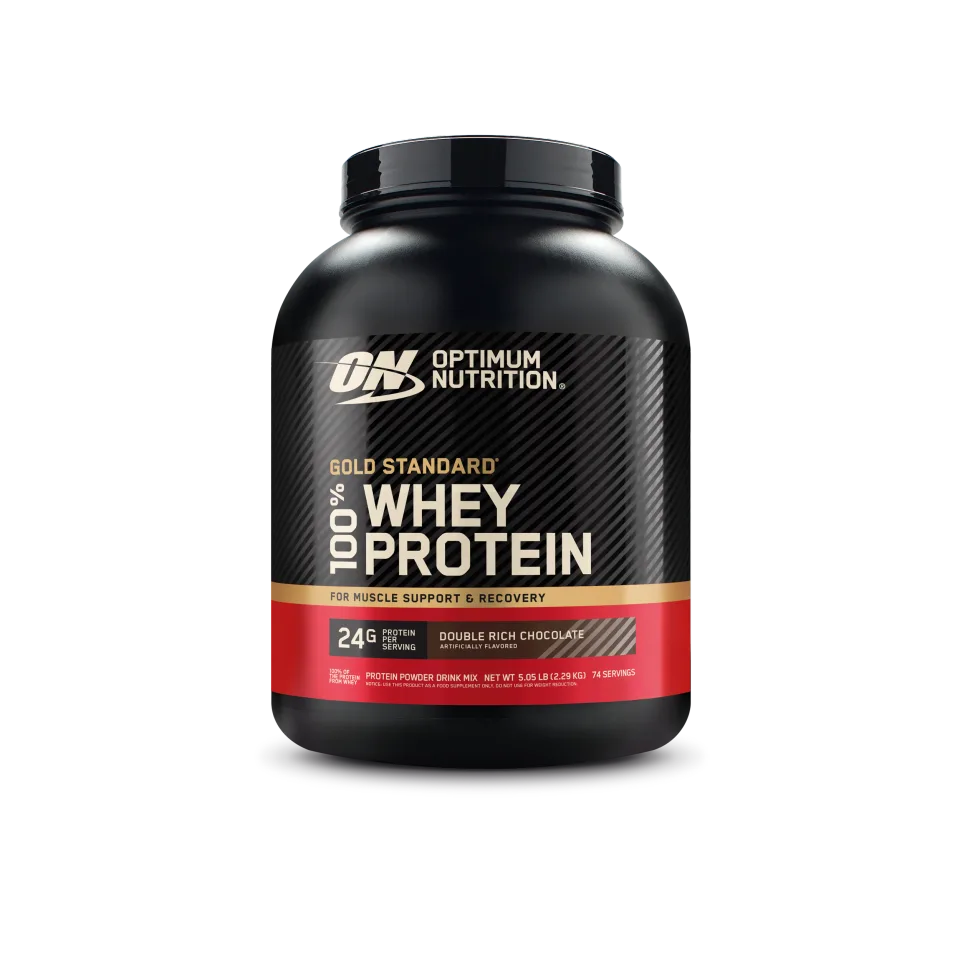
Gold Standard is still the whey every other tub gets compared to. Reviewers consistently praise its flavor range and spoon-easy mixing, it carries Informed Choice certification, two of its flavors appear on NSF's Certified for Sport list, and it landed in Consumer Reports' better-choices group for lead. It is not a pure isolate and it uses artificial sweeteners, but the overall package is hard to beat.
Informed Choice certified, with two flavors on NSF's Certified for Sport registry
In Consumer Reports' better-choices group for lead (Oct 2025)
Mixes easily with just a spoon or shaker
Most flavors use sucralose and acesulfame potassium
Isolate-led blend, so slightly more lactose and carbs than a pure isolate
Some reviewers find certain flavors overly sweet
Protein per serving24 gCalories per servingAbout 120 (varies by flavor)BCAAs per serving5.5 g (naturally occurring)
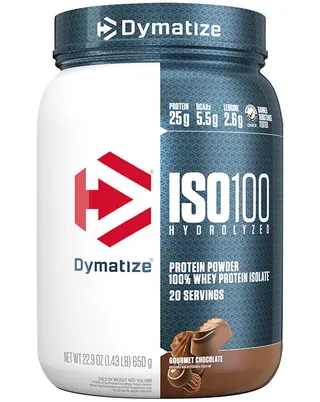
ISO100 is the go-to isolate for lean macros and easy digestion, with 25 g of protein, 120 calories or less and 1 g of sugar or less per scoop, all from whey isolate. Reviewers rave about flavors like Fruity Pebbles and Gourmet Chocolate. The trade-off is a higher price per serving than whey blends.
100% of protein from whey isolate, partly hydrolyzed
1 g of sugar or less and 120 calories or less per 25 g protein scoop
Standout flavors, including Pebbles cereal collaborations
Pricier per serving than whey blends
Flavored versions use sucralose and soy lecithin
Some flavors taste very sweet
Protein per serving25 gCalories per serving120 or lessSugar per serving1 g or less
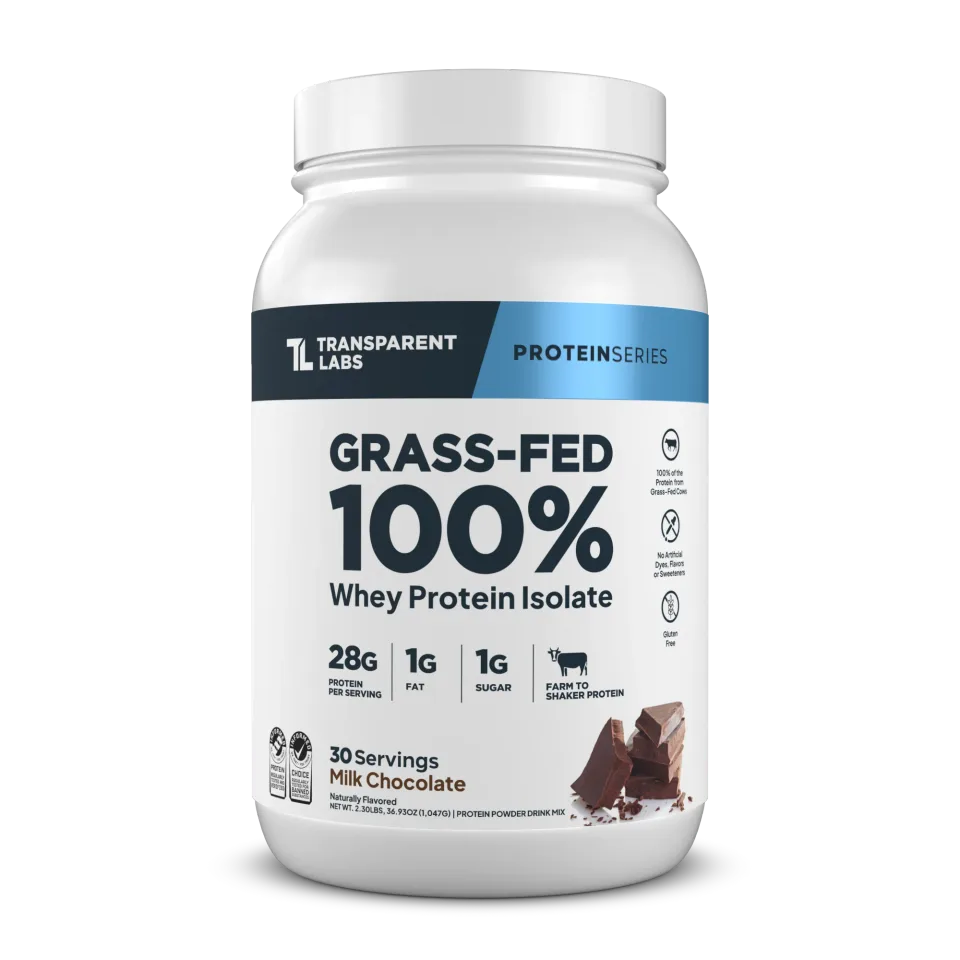
Transparent Labs is the clean-label pick: 28 g of grass-fed whey isolate per scoop, sweetened with stevia, with no artificial dyes or preservatives, and it is NSF Certified for Sport as well as Informed Choice and Informed Protein certified, according to the brand. Reviewers love the mixability and flavor lineup, and the premium price is the main catch.
28 g of protein per scoop, the most in this roundup
Grass-fed whey isolate, stevia-sweetened, no artificial dyes or preservatives
NSF Certified for Sport, plus Informed Choice and Informed Protein certification per the brand
About $2.17 per serving, well above mainstream wheys
Stevia aftertaste is noticeable to some reviewers
Higher sodium than many competitors
Protein per serving28 gCalories per servingAbout 130–150 (varies by flavor)Protein source100% grass-fed whey protein isolate
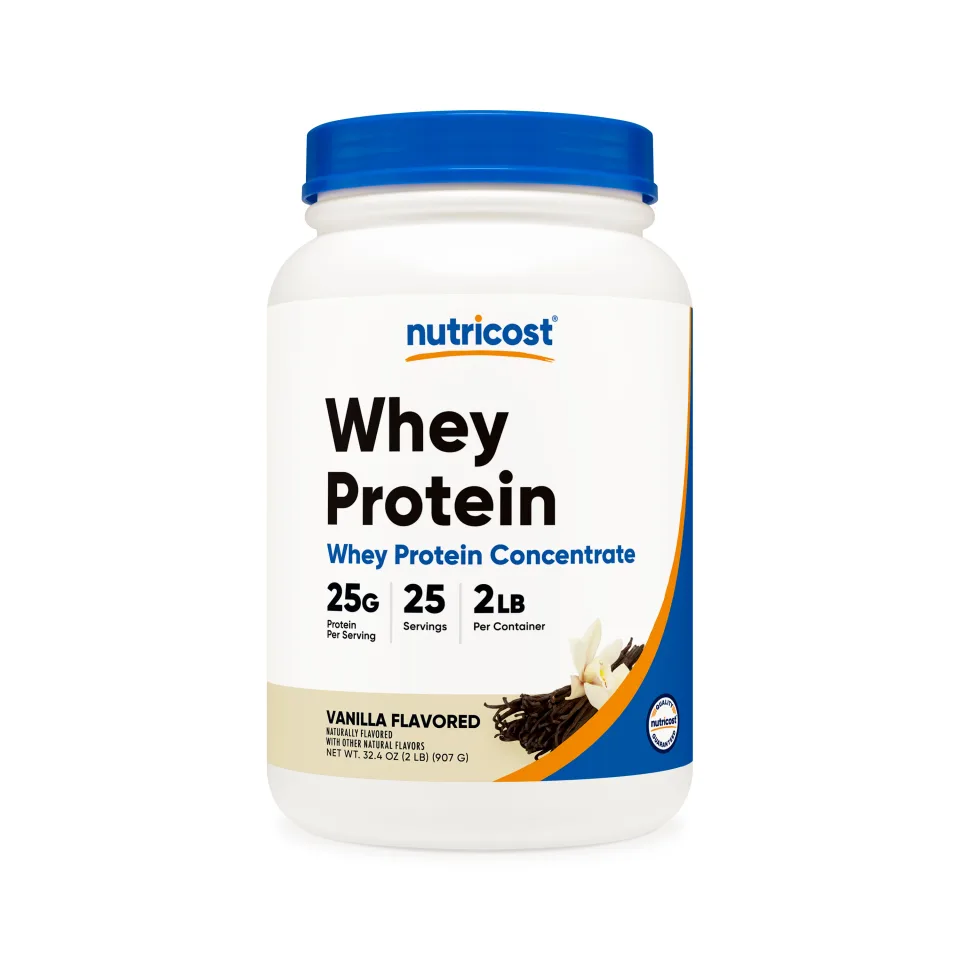
Nutricost is the no-frills whey that BarBend and Garage Gym Reviews both name as their budget pick, with 25 g of protein per scoop, a short ingredient list and an unflavored version. Rising 2026 whey prices have narrowed its edge, so buy it on sale or with Subscribe & Save.
Simple formula, with an unflavored version for cooking and smoothies
25 g of protein per serving
Third-party tested by ISO-accredited labs, per Nutricost
At 2026 prices, per-serving cost is close to name brands unless on sale
Flavored versions use sucralose
Prop 65 lead warning on several flavors and sizes
Protein per serving25 gProtein sourceWhey protein concentrateServingsAbout 63 per 5 lb tub
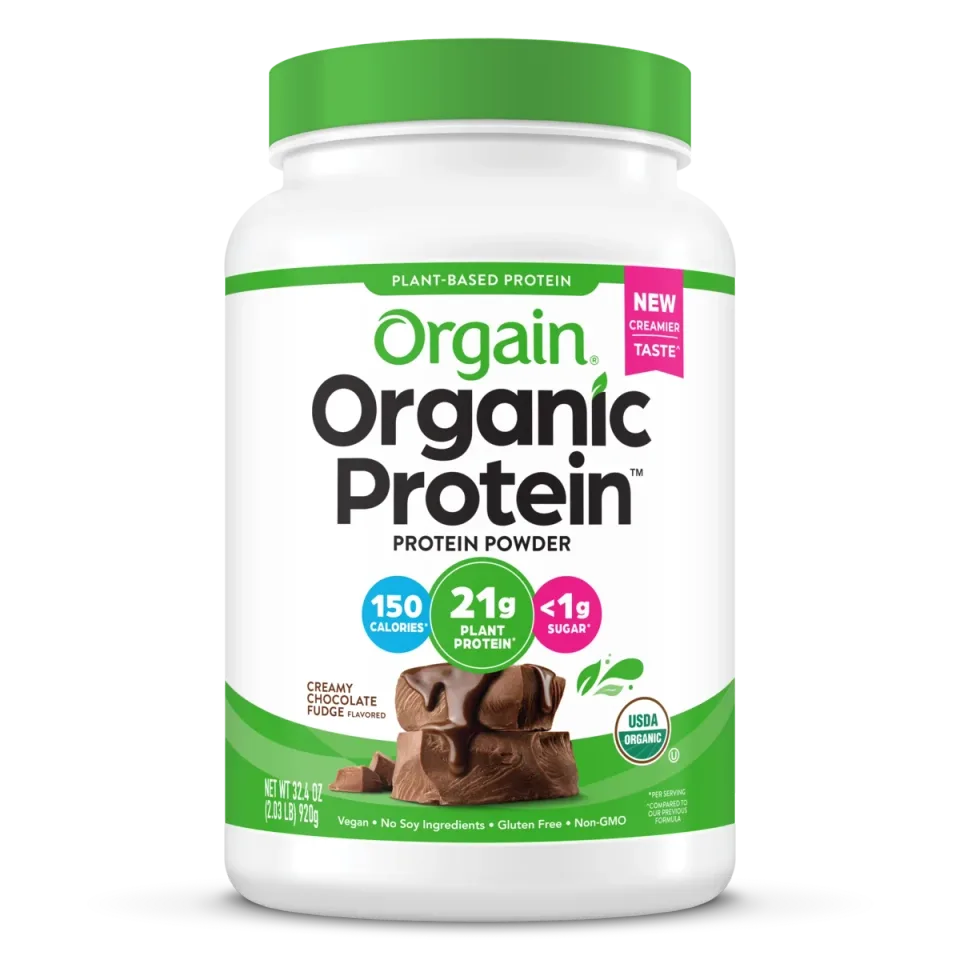
Orgain is the plant protein most shoppers meet first: creamy, USDA Organic, easy to find and fairly priced. It delivers 21 g of protein from a pea, brown rice, mung bean and chia blend with 7 g of fiber. Consumer Reports' 2025 testing rated its lead level OK for occasional use rather than daily.
USDA Organic, vegan and gluten-free with no added sugar
Creamy texture that blends well into smoothies
7 g of fiber per serving
Consumer Reports rated its lead level OK only for occasional use (Oct 2025)
21 g of protein takes a two-scoop, 150-calorie serving
Some reviewers note an earthy or grassy aftertaste
Protein per serving21 gServing size2 scoops (46 g)Calories per serving150
Every protein powder on this page earns its FR Score from three inputs. First, we catalog independent YouTube and TikTok reviews and look for consensus on taste, mixability and digestion instead of trusting any single creator. Second, we read each label the way a skeptic would: protein per scoop, where that protein comes from, which sweeteners are used, and whether the product carries NSF Certified for Sport, Informed Choice or similar third-party certification. Third, we weigh what you actually pay per serving. We don't run our own lab tests, and we say so plainly. Brands can't buy a spot on this list, and the affiliate links that support the site never move a product up or down.
Who should skip this category
If you already hit your daily protein target from food (many active adults aim for roughly 1.4 to 2.0 g per kilogram of body weight), a powder adds convenience, not magic. People with a milk allergy should avoid whey and casein entirely, and anyone with kidney disease or on a protein-restricted diet should talk to their doctor before adding shakes. And if a tub would sit untouched in the pantry, spend the money on groceries instead.
Our rankings are for information only and aren’t medical advice. Check with a doctor or pharmacist before starting a supplement, especially if you’re pregnant, take medication or have a health condition. Health disclaimer