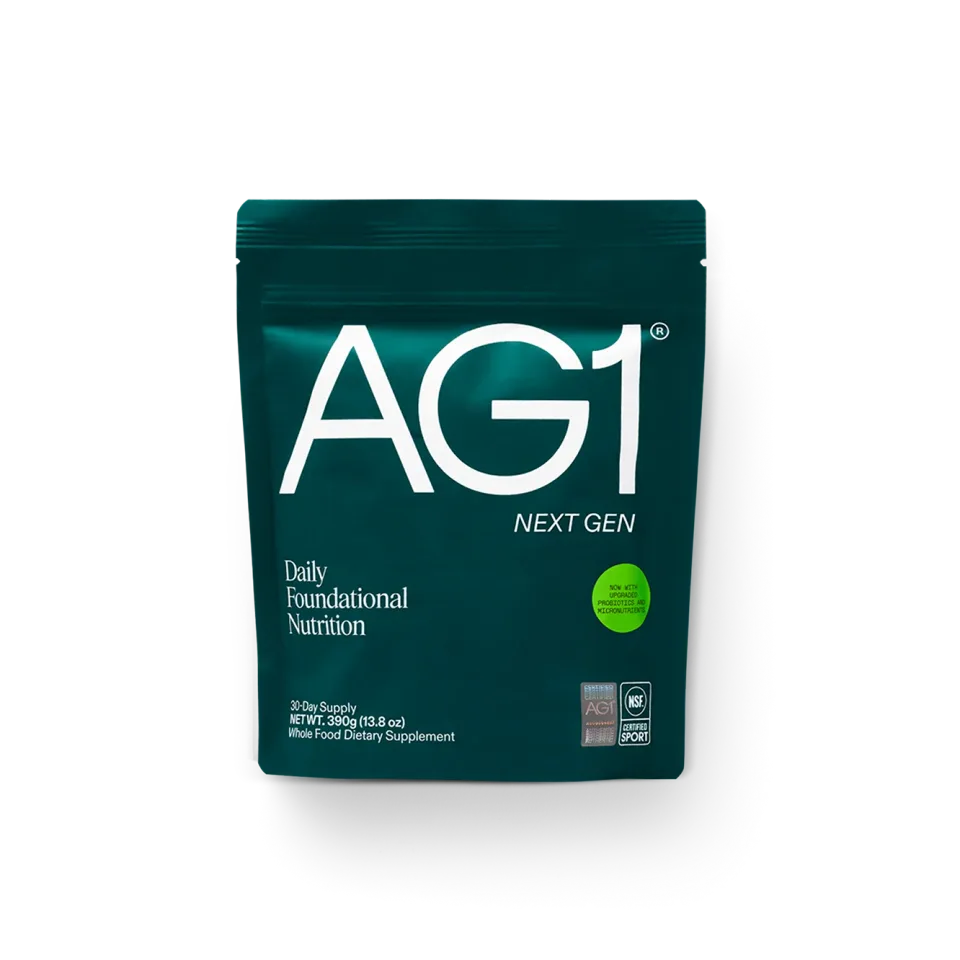
Best Overall
FR Score 8.4 out of 10, Great
AG1Greens & Superfoods
Next Gen Daily Foundational Nutrition
NSF Certified for Sport multivitamin, probiotic, and greens blend at a premium price.
6 videos
AmazonTikTok ShopBrand store
Greens powders and gummies, ranked on formula, testing, taste, and cost per scoop.
Greens powders promise a garden in a scoop, and they've become some of the most heavily marketed supplements on TikTok and Amazon. In reality, they vary enormously. Some, like AG1 and Grüns, are essentially multivitamins with probiotics and a superfood blend. Others, like Amazing Grass, are closer to dried, powdered produce. Many sit in between, splitting a few grams of powder across proprietary blends that don't disclose how much of each ingredient you're getting.
products
NSF Certified for Sport multivitamin, probiotic, and greens blend at a premium price.
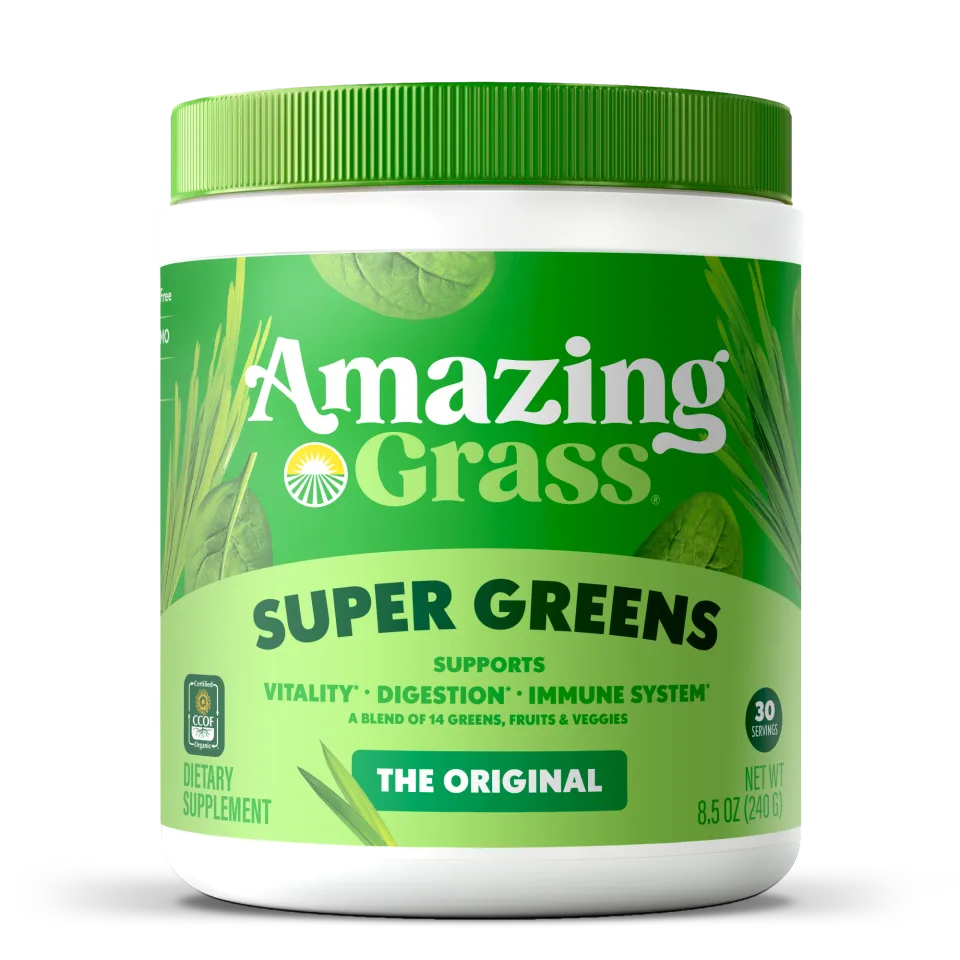
Organic, no-frills greens with 1 billion CFU probiotics for under a dollar a scoop.
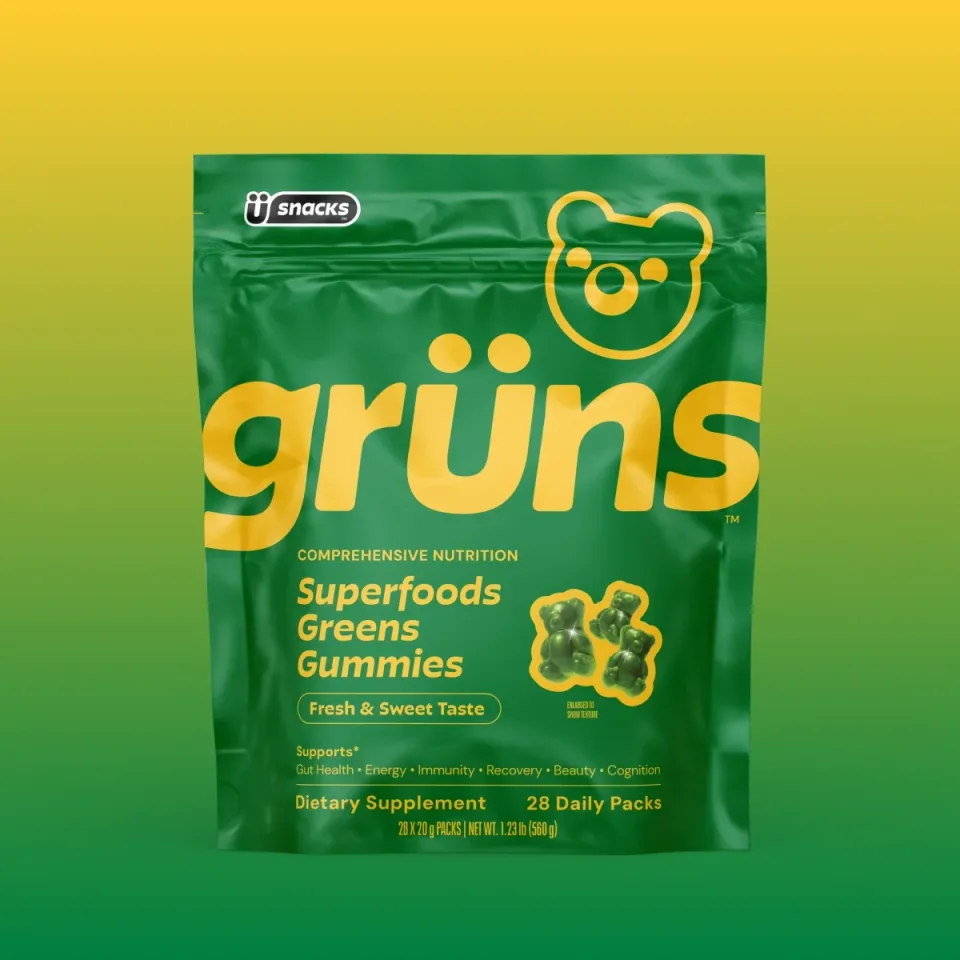
A daily pack of greens gummies with 20+ vitamins and 6 g of fiber, no scoop required.

The TikTok-famous greens powder that actually tastes good; just don't expect big doses.
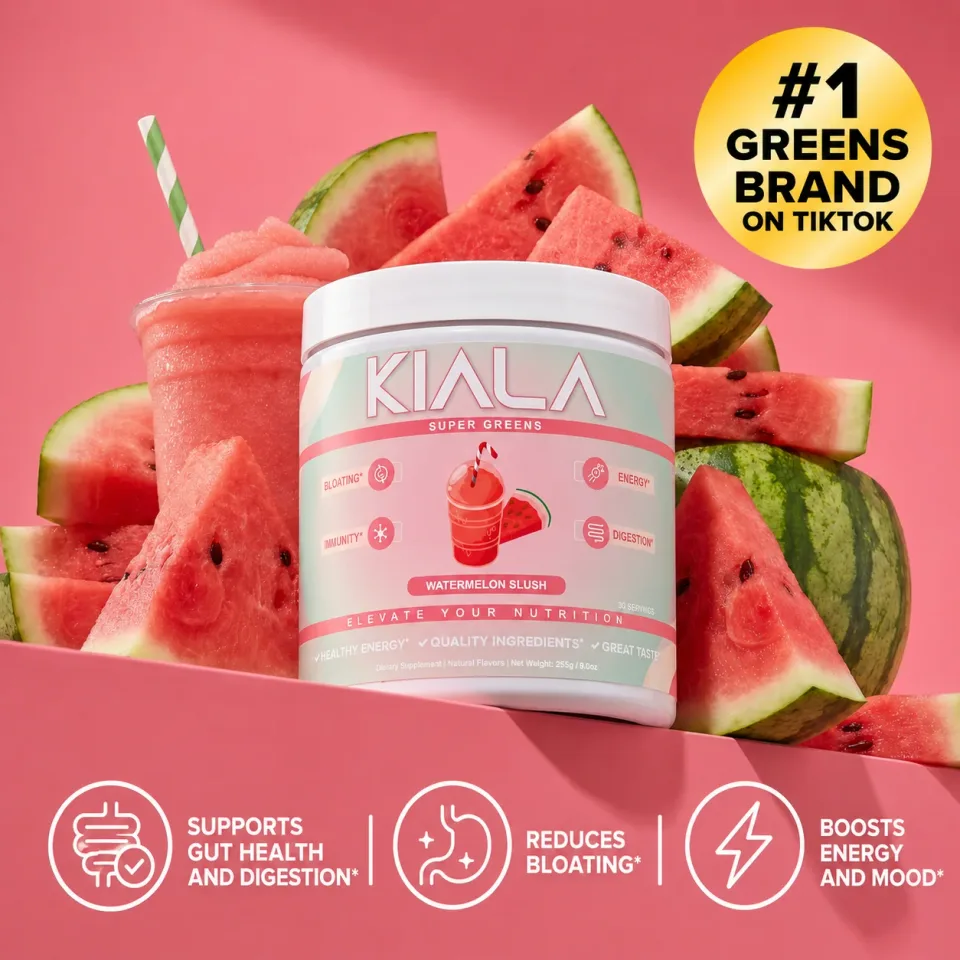
A TikTok Shop favorite: candy-bright flavors, zero sugar, and sucralose.
Buying guide
The handful of things that actually matter — and the marketing you can ignore.
A label boasting 38 or 75 ingredients sounds impressive, but a 5 to 13 g scoop can only hold so much. Proprietary blends list ingredients in descending order without individual amounts, so you can't tell whether you're getting a meaningful dose of probiotics, adaptogens, or mushrooms. Favor products that disclose amounts for key ingredients, state a probiotic CFU count, and show a full vitamin and mineral panel if they claim multivitamin benefits. When a product does use blends, check the blend totals: in Bloom's case, the largest blend is only about 1.6 g. Fewer ingredients at real doses usually beat a long list of sprinkles.
Greens products fall into two camps. Multivitamin-style formulas such as AG1 and Grüns add a broad vitamin and mineral panel, so they can stand in for a daily multi, but you should check for overlap if you already take one. Food-first powders such as Amazing Grass, Bloom, and Kiala focus on dried grasses, algae, fruits, and vegetables, with few labeled vitamins. Neither type is automatically better. If your goal is covering micronutrient gaps, look for a real vitamin panel; if you just want a convenient plant boost in your smoothie, a simpler and cheaper food-first powder is usually enough.
Plants absorb metals from soil, and ingredients like spirulina, chlorella, and cacao can carry trace lead or cadmium. That makes independent testing more important here than in most supplement categories. The gold standard is NSF Certified for Sport, which AG1 carries. Next best is a brand that publicly describes heavy-metal screening, as Grüns does. You'll also see California Prop 65 warnings on some greens listings, including Amazing Grass on Amazon. Prop 65's lead threshold is very low (0.5 micrograms a day), so a warning doesn't automatically mean a product is unsafe, but it does mean the seller believes daily use could expose you to lead above that level, which is worth weighing if you take it every day.
Taste decides whether you'll actually use it. Bloom uses stevia, Kiala uses sucralose, AG1 relies on natural flavors with under 1 g of sugar, and Amazing Grass's Original is earthy and grassy. Kiala also contains a small amount of caffeine from coffee and green tea extracts. Gummies such as Grüns are the easiest to stick with but cost more, and the Low Sugar version has 8 g of added sugar. Finally, run the math: prices here range from about 73 cents a scoop for Amazing Grass to more than $3 for AG1 at one-time pricing, which adds up to hundreds of dollars a year.
Video reviews
Head-to-head
Side-by-side comparisons of the greens & superfoods people most often weigh against each other.
Greens powders promise a garden in a scoop, and they've become some of the most heavily marketed supplements on TikTok and Amazon. In reality, they vary enormously. Some, like AG1 and Grüns, are essentially multivitamins with probiotics and a superfood blend. Others, like Amazing Grass, are closer to dried, powdered produce. Many sit in between, splitting a few grams of powder across proprietary blends that don't disclose how much of each ingredient you're getting.
Set expectations first: research on greens powders as finished products is limited, and no scoop replaces the fiber, volume, and variety of actual vegetables. What a good greens product can do is help fill small nutrient gaps and make a healthy habit easier to keep. That's worth something, just not $100 a month for everyone.
In this category we look hard at dose transparency, third-party testing (plant powders can carry trace heavy metals from soil), sugar and sweeteners, taste, and cost per serving. Our FR Score blends the consensus of independent video reviewers, including registered dietitians, with our own analysis of each label and its value. We don't lab-test products ourselves, so every review we weighed is linked on each product page.
The research, standards and guidance behind this greens & superfoods guide.