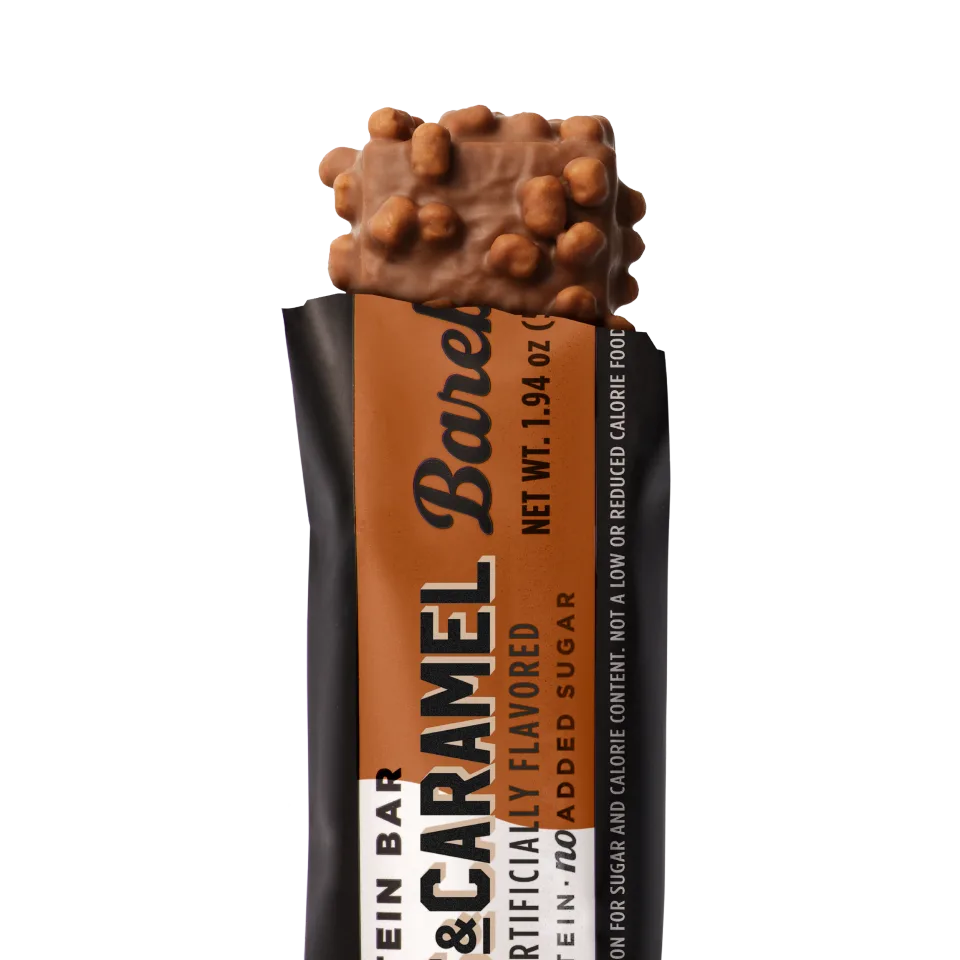
Best Overall
FR Score 9.0 out of 10, Exceptional
BarebellsProtein Bars & Snacks
Protein Bar
The candy-bar-tasting protein bar reviewers keep crowning the best.
4 videos
AmazonTikTok ShopBrand store
High-protein bars and snacks that actually taste good, ranked by reviewer consensus.
Protein bars and snacks are the easiest way to close a protein gap between meals, but the aisle is a minefield of chalky textures, sneaky sugar alcohols and macros that look better on the front of the box than on the back. This category covers the bars and savory snacks that dominate Amazon and TikTok Shop right now, from candy-bar-style picks like Barebells to macro-engineered newcomers like David and crunchy options like Quest's tortilla-style protein chips.
products
The candy-bar-tasting protein bar reviewers keep crowning the best.

The high-fiber, low-sugar classic: 21 g of protein and one of the best prices per gram.
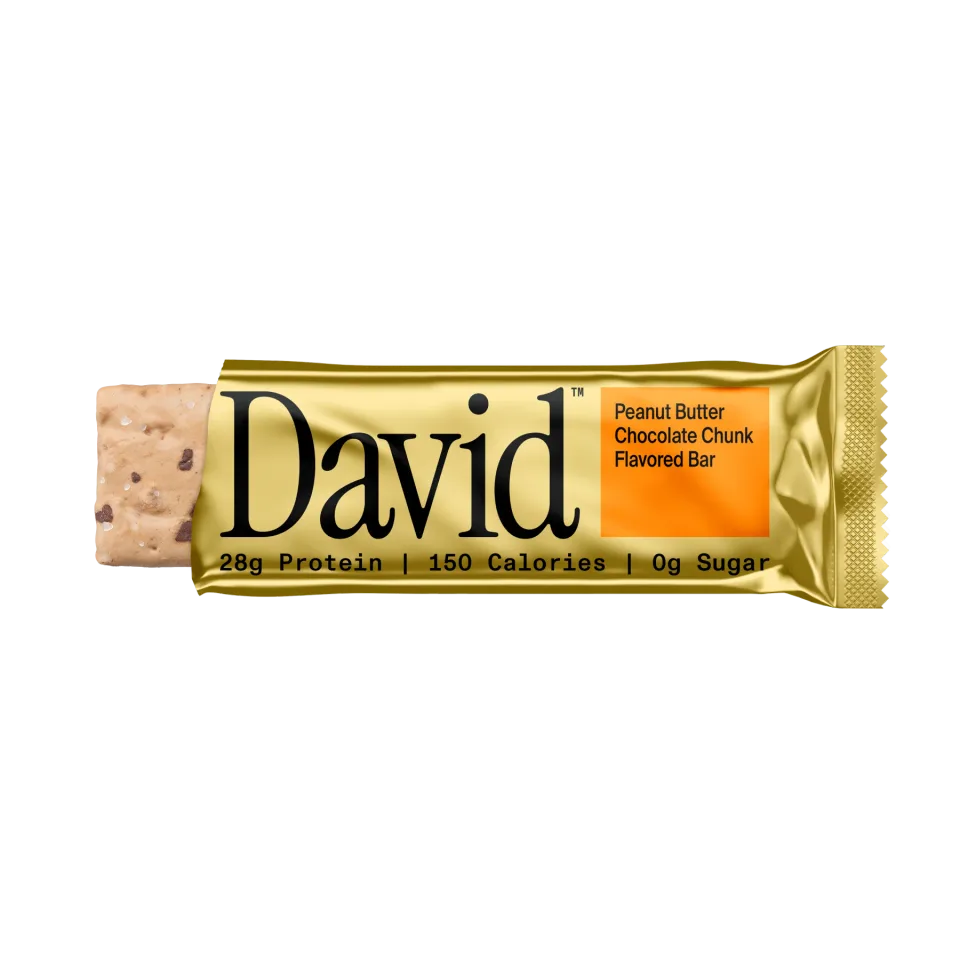
28 g of protein for 150 calories: the most protein-dense bar you can buy.
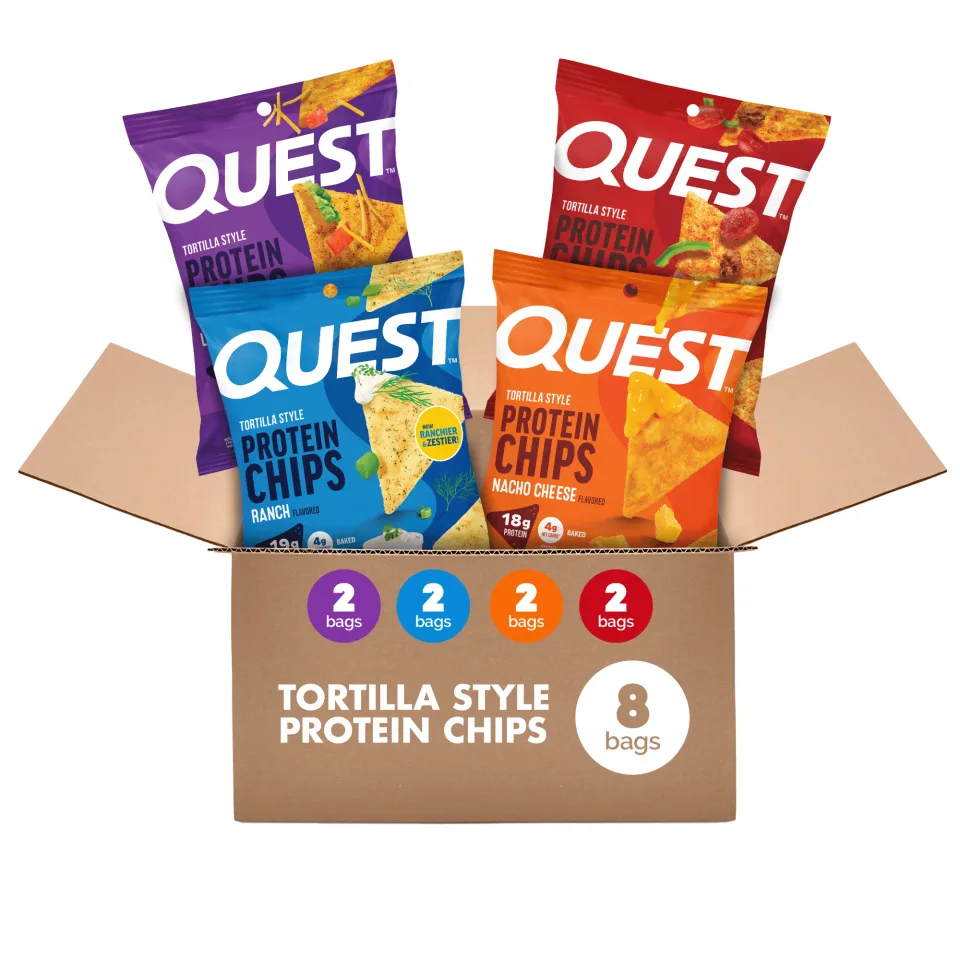
Baked tortilla-style chips with 18 to 20 g of protein and about 4 g net carbs a bag.
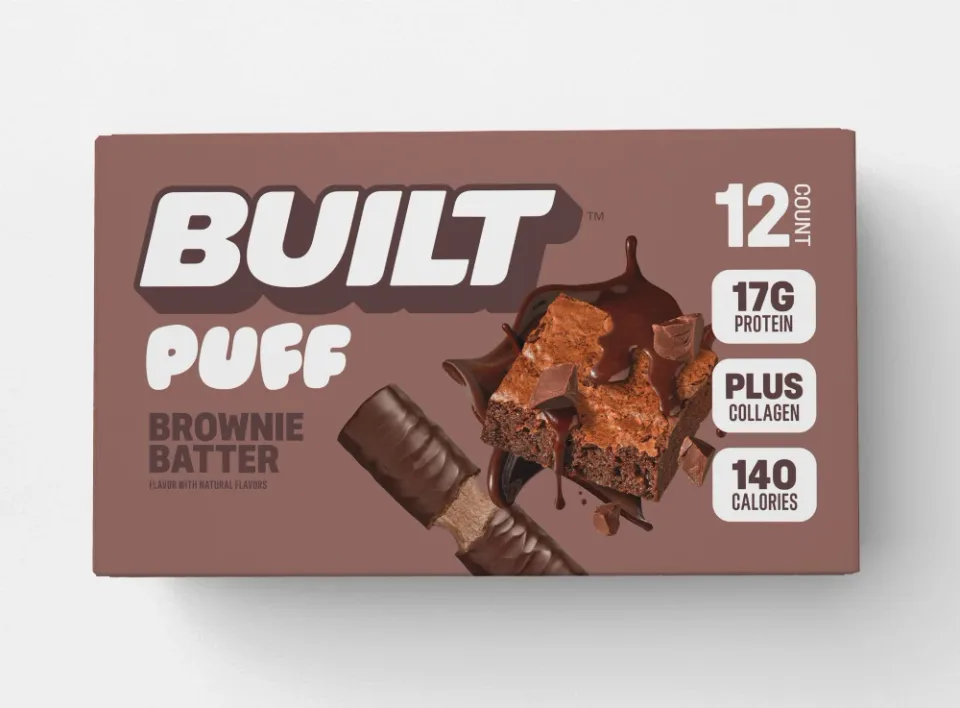
A marshmallow-soft, chocolate-coated protein treat with 17 g of protein for 140 calories.
Buying guide
The handful of things that actually matter — and the marketing you can ignore.
The fastest way to judge a bar is to divide protein by calories. A typical candy-style protein bar lands around 20 g of protein for about 200 calories, meaning roughly 40% of its calories come from protein. Leaner options push that much higher: David's Gold bar lists 28 g for 150 calories, or about three-quarters of its energy from protein. If you're cutting or using bars to hit a daily target on a tight calorie budget, the ratio matters more than any front-of-pack claim. If you just need a satisfying snack, a lower ratio is fine as long as the bar keeps you full and fits your day.
Not all protein grams are equal. Milk protein isolate, whey, casein and egg white are complete proteins rich in leucine, the amino acid most associated with muscle protein synthesis. Collagen is cheap and helps texture, but it is an incomplete protein, so a bar that leans on collagen counts more protein than it effectively delivers for muscle. Read the ingredient list: the first protein listed is present in the largest amount. Blends that lead with milk or whey isolates and use collagen as a supporting player are a reasonable compromise.
Most low-sugar bars swap sugar for sugar alcohols (maltitol, erythritol), rare sugars (allulose), fibers (polydextrose, soluble corn fiber) and high-intensity sweeteners (sucralose, stevia, acesulfame potassium). They keep the sugar line near zero, but they can cause gas, bloating or a laxative effect, especially maltitol and especially in bigger doses. If you've had stomach trouble with protein bars before, check the sugar-alcohol line on the Nutrition Facts panel and start with one bar a day to see how you tolerate a given formula.
Texture is where most bars win or lose loyal fans. Dense, chewy bars like Quest travel well and pack more fiber but can feel heavy. Layered, chocolate-coated bars like Barebells eat most like candy. Marshmallow-style bars like Built Puff are light and low in calories. Savory snackers may prefer protein chips, which scratch the crunchy itch with far fewer carbs than regular chips. Storage matters too: chocolate coatings soften in a hot car, and dense bars stiffen in the cold. Read several reviews before committing to a 12-pack, and use variety packs to find your flavor.
Protein bars typically cost $2 to $3.50 each, but price per gram of protein is the fairer comparison. A $2.13 Quest bar with 21 g works out to about 10 g of protein per dollar, while a $3.25 David bar with 28 g lands near 8.6 g per dollar. Buying 12-bar boxes, subscribing through the brand store or Amazon, and watching TikTok Shop promotions can shave a meaningful amount off the per-bar cost if you eat one daily. Single bars at gas stations and convenience stores usually cost noticeably more than the same bar in a box.
Video reviews
Head-to-head
Side-by-side comparisons of the protein bars & snacks people most often weigh against each other.
From the blog
Protein bars and snacks are the easiest way to close a protein gap between meals, but the aisle is a minefield of chalky textures, sneaky sugar alcohols and macros that look better on the front of the box than on the back. This category covers the bars and savory snacks that dominate Amazon and TikTok Shop right now, from candy-bar-style picks like Barebells to macro-engineered newcomers like David and crunchy options like Quest's tortilla-style protein chips.
Four things matter most. First, protein per serving and per calorie: 20 g is a solid bar, and 28 g at 150 calories, as in David's Gold bar, is among the highest ratios you'll find. Second, protein quality: milk, whey, casein and egg proteins are complete, while collagen-heavy blends inflate the number without adding much muscle-building value. Third, sweeteners and sugar alcohols such as maltitol and erythritol, which some stomachs handle better than others. Fourth, taste and texture, because a bar you won't finish is worth nothing.
Our FR Score blends the consensus of independent YouTube and TikTok reviewers, an analysis of each label's formula and transparency, and value per serving. We don't run a lab or claim hands-on testing; we read the labels, watch the reviews and do the math. Use the rankings as a starting point, then choose by goal: maximum protein, fewest calories, best crunch, or the best-tasting treat that still fits your macros.
The research, standards and guidance behind this protein bars & snacks guide.