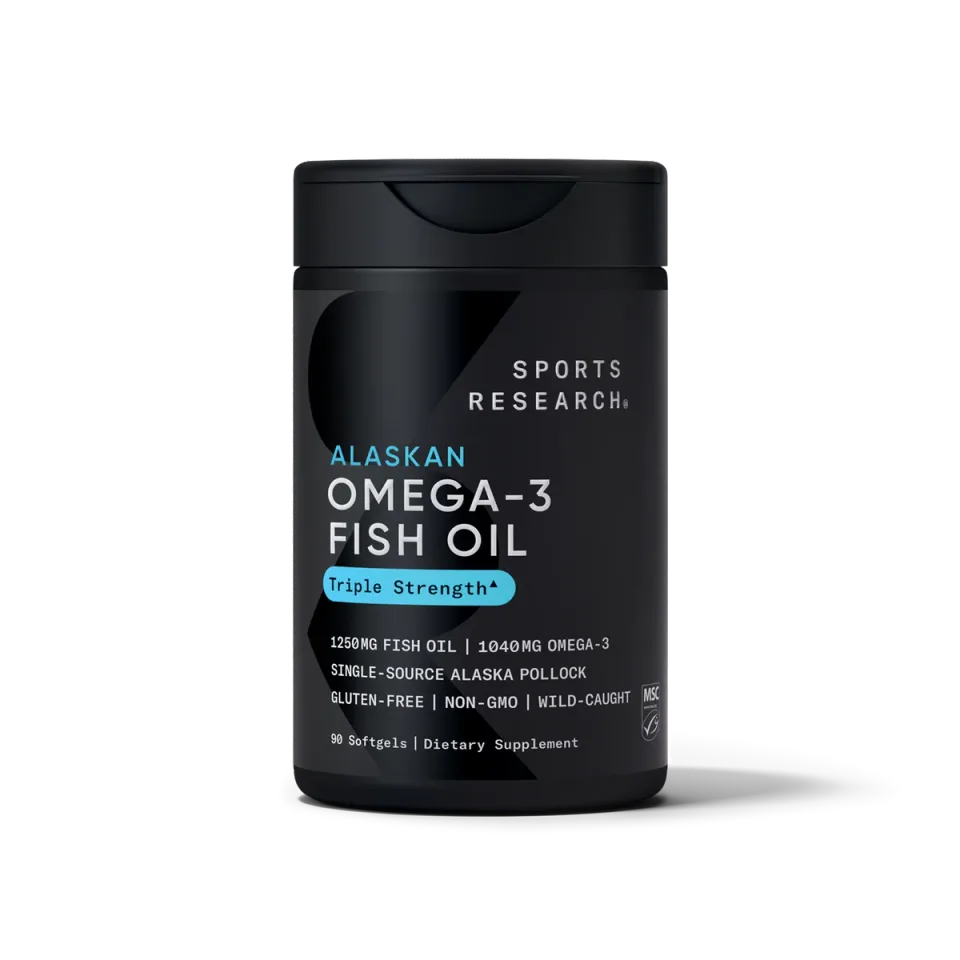
Best Overall
FR Score 9.3 out of 10, Exceptional
Sports ResearchVitamins & Wellness
Triple Strength Omega-3 Fish Oil
950 mg of EPA + DHA in one softgel, IFOS 5-Star rated, for about 33 cents a day.
4 videos
AmazonTikTok ShopBrand store
Third-party-tested vitamins and wellness staples for active people, ranked.
Vitamins and wellness supplements are where fitness shoppers most often overpay: flashy labels, underdosed formulas and quality claims nobody checks. This category covers the everyday staples active people actually buy on Amazon and TikTok Shop: fish oil, a daily multivitamin, magnesium glycinate, collagen peptides and ashwagandha.
Our top picks

products
950 mg of EPA + DHA in one softgel, IFOS 5-Star rated, for about 33 cents a day.
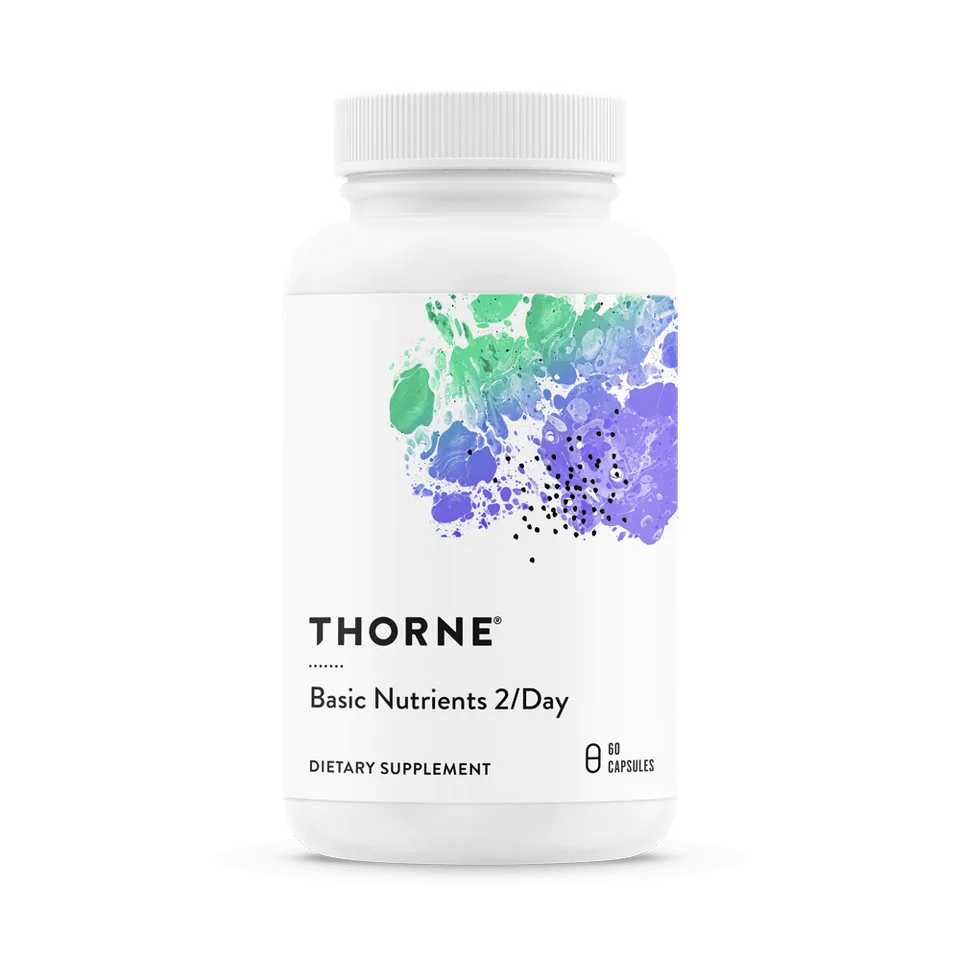
An NSF Certified for Sport multivitamin with active B vitamins in just two capsules.
Fully chelated magnesium glycinate lysinate for about 20 cents a serving.
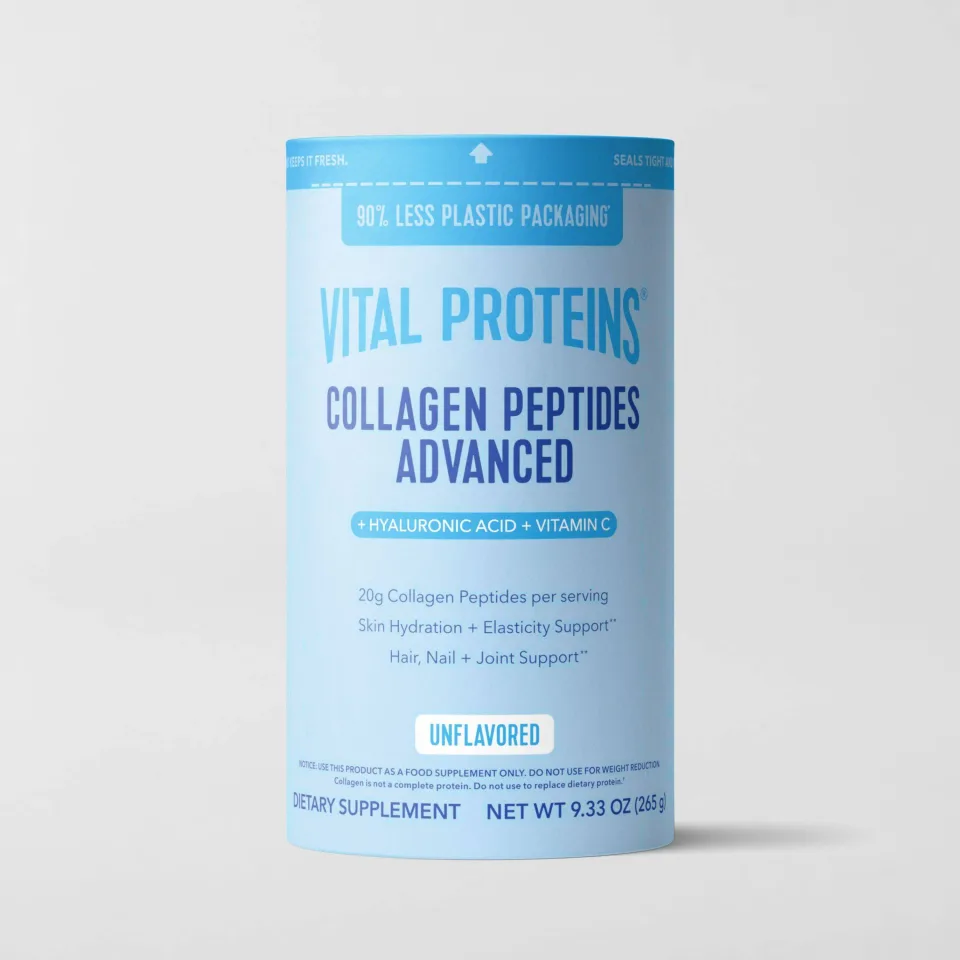
The collagen that went mainstream: 20 g grass-fed peptides plus vitamin C and hyaluronic acid.

TikTok's favorite ashwagandha: KSM-66 in a vegan mixed-berry gummy.
Buying guide
The handful of things that actually matter — and the marketing you can ignore.
Supplements aren't approved by the FDA before they're sold, so independent verification matters. NSF Certified for Sport tests for label accuracy, contaminants and substances banned in sport, which is why drug-tested athletes lean on it. USP Verified confirms identity, potency and purity. For fish oil, IFOS publishes lot-level results for oxidation, heavy metals and potency. A brand saying it's 'third-party tested' is a good start, but a named certification you can look up is stronger. Where a product has no certification, a transparent label and a long track record matter more.
Many labels impress with big numbers that don't mean much. For magnesium, look at elemental magnesium, not the weight of the compound: 2,000 mg of magnesium lysinate glycinate chelate delivers 200 mg of actual magnesium. For fish oil, add up EPA and DHA rather than total fish oil. For ashwagandha, many studies of the KSM-66 extract used around 600 mg a day. If you need four gummies to reach a studied dose, factor that into the price and the sugar.
Form affects absorption and tolerance. Many people find chelated forms such as magnesium glycinate gentler on the stomach than magnesium oxide, though head-to-head research is limited. Fish oil in triglyceride form is common in higher-end products. Multivitamins using methylfolate and methylcobalamin supply B vitamins in active forms, and vitamin D3 is the form most often used in supplements. None of this makes a product magic, but it's a good sign the formulator cared about more than the cheapest ingredient. Gummies and powders trade some precision for convenience, so weigh how you'll realistically take it every day.
A $15 bottle can cost more than a $36 one once you account for serving size. One Sports Research softgel covers a day, while Goli's suggested use is four gummies a day, so a 60-count bottle lasts about two weeks at full dose. Divide price by servings at the dose you'll actually take, then compare. Subscriptions, larger bottles and TikTok Shop promotions often cut the daily cost by 10 to 20 percent. Also consider freshness: fish oil and gummies are best used within a reasonable window after opening.
More isn't better. Fish oil and vitamin K can matter if you take blood thinners, ashwagandha isn't recommended during pregnancy and may not suit people with thyroid conditions, and extra magnesium can loosen stools. Bloodwork is the best way to know whether you actually need vitamin D, iron or B12. Build your stack around real gaps, keep it simple, and ask your doctor or pharmacist if you take any prescription medication. Retesting after a few months shows whether a supplement is actually moving the needle.
Video reviews
From the blog
NSF, Informed Sport, Informed Choice, USP: what each supplement seal actually checks, what vague lab-tested claims miss, and how to verify a certification yourself.
Viral doesn't mean good. We scored TikTok Shop's most-hyped fitness products on reviewer consensus, labels and value. Here's what actually deserves a spot in your cart.
Vitamins and wellness supplements are where fitness shoppers most often overpay: flashy labels, underdosed formulas and quality claims nobody checks. This category covers the everyday staples active people actually buy on Amazon and TikTok Shop: fish oil, a daily multivitamin, magnesium glycinate, collagen peptides and ashwagandha.
Four things separate a good pick from a gimmick. First, independent testing: marks like NSF Certified for Sport, IFOS for fish oil or USP Verified mean an outside lab checked what's in the bottle. Second, doses that match the research, which is why we look at elemental magnesium, combined EPA and DHA, or milligrams of a branded extract rather than front-label hype. Third, well-absorbed forms, such as chelated minerals, triglyceride-form fish oil and methylated B vitamins. Fourth, cost per day, since serving sizes range from one softgel to four gummies.
Our FR Score blends the consensus of independent video reviewers, an analysis of each formula and its third-party testing, and value per serving. We don't test products in a lab or make medical claims. Supplements can't replace a solid diet, sleep and training, and if you take prescription medication, are pregnant or have a health condition, check with your doctor before adding anything new.
The research, standards and guidance behind this vitamins & wellness guide.