Third-Party Testing Explained: NSF Certified for Sport, Informed Sport and More
NSF, Informed Sport, Informed Choice, USP: what each supplement seal actually checks, what vague lab-tested claims miss, and how to verify a certification yourself.
8 min read20 sources
On this page
Supplement labels are full of reassuring phrases: "lab tested," "pharmaceutical grade," "third-party verified." Some are backed by rigorous independent programs you can look up in seconds; others mean very little. Here's what the major certifications actually check, and how to tell the difference before you buy.
Why supplements need outside testing
In the U.S., the FDA doesn't approve dietary supplements for safety or effectiveness, and plenty reach the market without the agency ever being told about them. Companies are responsible for making their products safe and for meeting labeling and quality requirements, including good manufacturing practices [1]. That leaves three risks that independent testing can address:
- Label accuracy: does a scoop actually deliver what the panel promises? In an analysis of 57 sports supplements bought online, each labeled as containing one of five botanical performance ingredients, 40% had no detectable amount of that ingredient, and 89% of labels didn't accurately declare what was inside [2].
- Contaminants: heavy metals such as lead, plus other impurities a product shouldn't contain.
- Banned or undeclared ingredients: between 2007 and 2016, the FDA flagged 776 supplements that turned out to contain hidden, unapproved drugs. About 41% were marketed for weight loss and 12% for muscle building, and steroids or steroid-like drugs turned up in 89% of the muscle-building products [3]. In the sports-supplement analysis above, 12% of products contained FDA-prohibited stimulants or drugs [2].
For competitive athletes, the stakes are higher still. Pooling 44 studies, a 2026 systematic review estimated that 9% to 15% of the supplements analyzed were contaminated with prohibited substances or unapproved drugs, and pre-workouts, weight-loss products and muscle builders were the most common offenders [4]. Under anti-doping rules, athletes are strictly liable for any prohibited substance in their body, even if it came from a contaminated supplement [5]. "It was in my pre-workout" isn't a defense.
The major programs compared
| Program | Run by | What it checks | How products are tested | Best for |
|---|---|---|---|---|
| NSF Certified for Sport | NSF | Label claims, contaminants and 290 substances banned in sport [6] | Production lots tested for banned substances; facility audits annually or bi-annually, depending on grade [6, 7] | Drug-tested athletes and anyone wanting a thorough check |
| Informed Sport | LGC | More than 285 banned substances and impurities [8] | Each batch screened before it ships, plus blind checks on products bought from stores [8] | Drug-tested athletes |
| Informed Choice | LGC | The same banned-substance screen as Informed Sport [8] | A minimum of 12 randomly chosen lots per year, bought at retail, so not every batch is guaranteed a test [8] | Everyday lifters and recreational athletes |
| USP Verified | U.S. Pharmacopeia | Ingredients and their amounts, plus contaminants; no banned-substance screen [9] | Product testing for ingredients and contaminants [9] | Vitamins, minerals and other everyday supplements |
| IFOS | Nutrasource | Omega-3 potency, oxidation and contaminants such as PCBs and heavy metals [10] | Published lot-by-lot reports [10] | Fish oil and omega-3s |
Other programs exist. BSCG Certified Drug Free, for example, is one of four programs the Department of Defense's Operation Supplement Safety recommends, alongside Informed Sport, NSF Certified for Sport and USP Verified [9].
NSF Certified for Sport
NSF's sport program covers the most ground of the group. It confirms that a product's contents match its label, that it carries no contaminants at unsafe levels and that it's free of 290 substances banned by major sports organizations, and it requires a GMP-certified facility that NSF audits [6]. NSF says the program is recognized by the U.S. Anti-Doping Agency (USADA), Major League Baseball and the National Hockey League, and recommended by the NFL and NBA, among others [6].
Watch the wording, because the sport mark is built in layers: facility GMP certification comes first, then certification that the product's contents meet label claims without unsafe contaminants, then banned-substance testing of production lots [7]. A product with only NSF's contents certification hasn't been through that final sport screen, and "NSF GMP Registered" or "made in a GMP-certified facility" tells you about the building, not about the product in your hands.
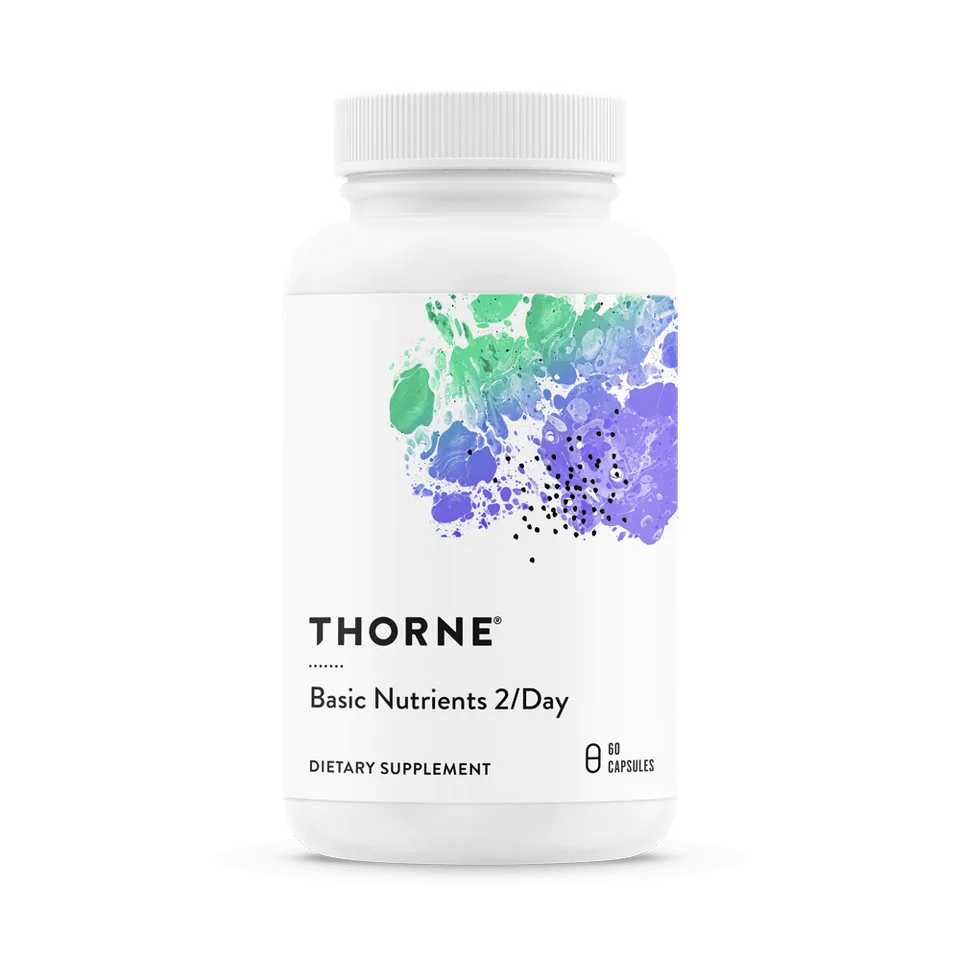
In our catalog, Thorne Basic Nutrients 2/Day is a good example: an NSF Certified for Sport multivitamin [11] that suits athletes who get drug tested.
Informed Sport vs. Informed Choice
Both belong to LGC's Informed family, use the same ISO 17025-accredited test methods and screen for more than 285 banned substances, but they sample differently [8]. Informed Sport screens each batch before it ships. Informed Choice is a monitoring program instead: LGC's lab buys certified products from shops and online sellers and checks a minimum of 12 randomly chosen lots per year, which means the batch in your hands may never have been tested [8].
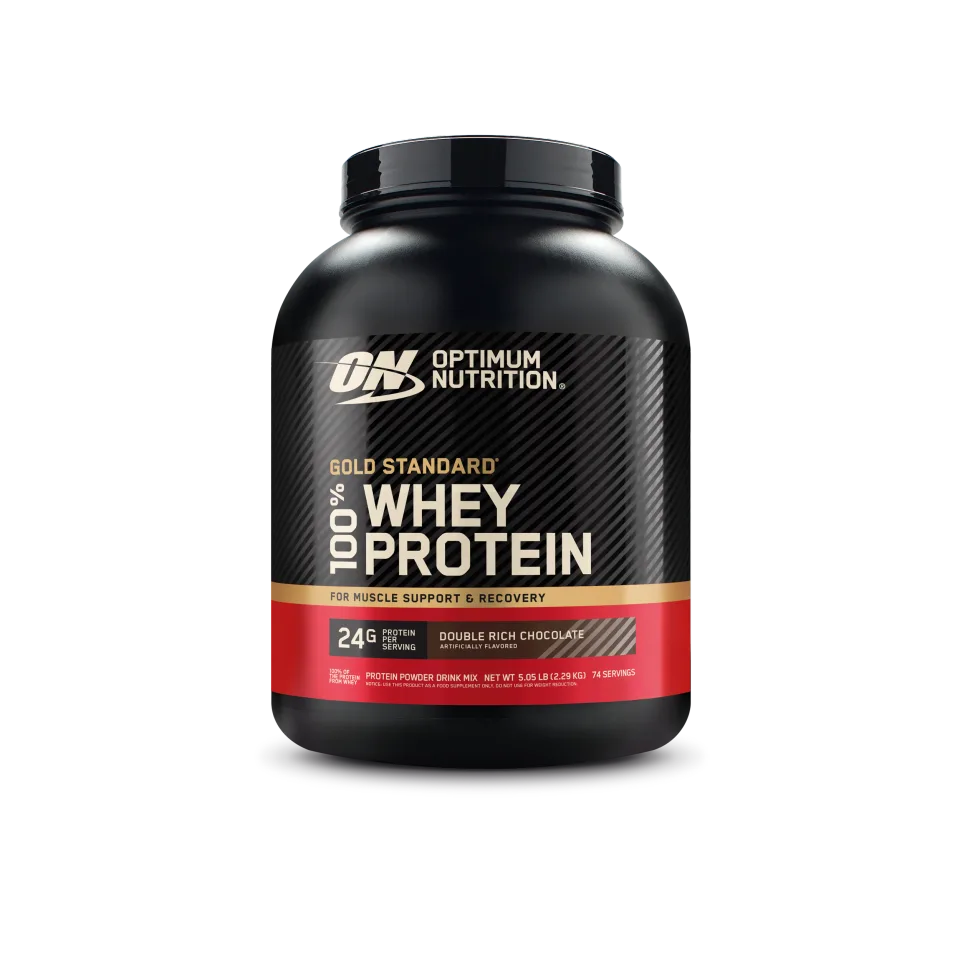
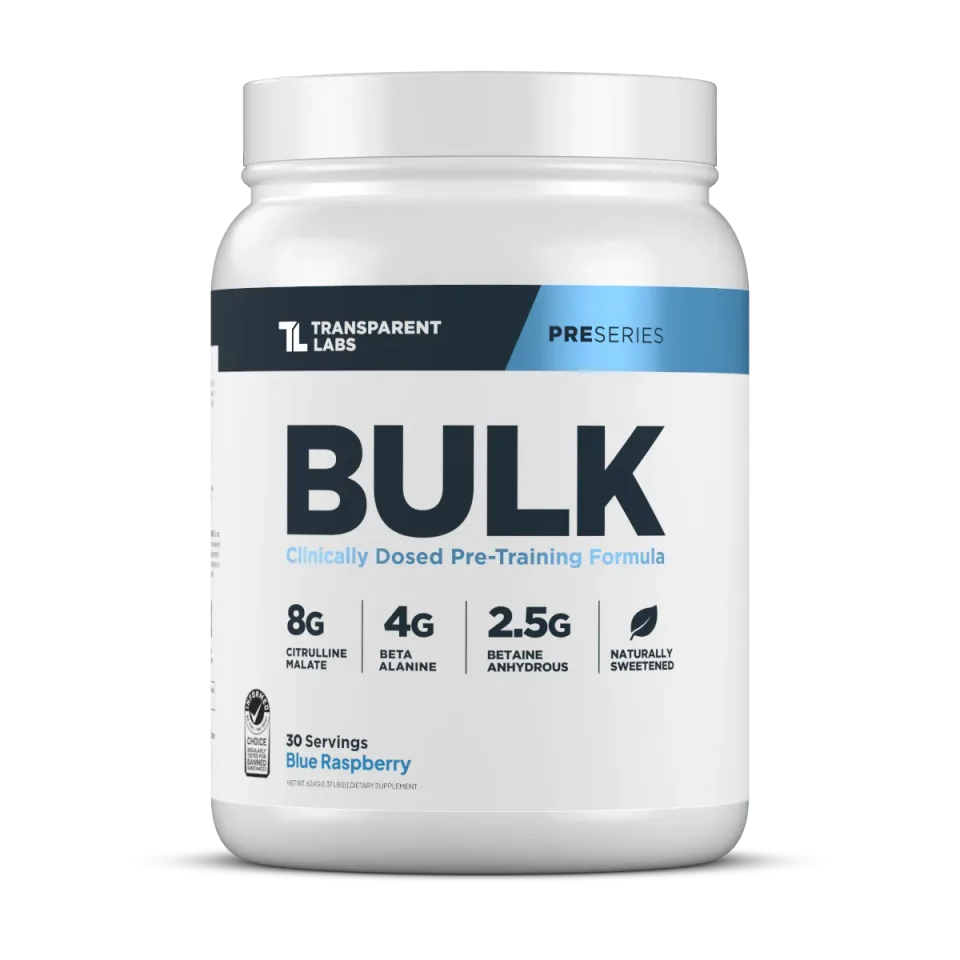
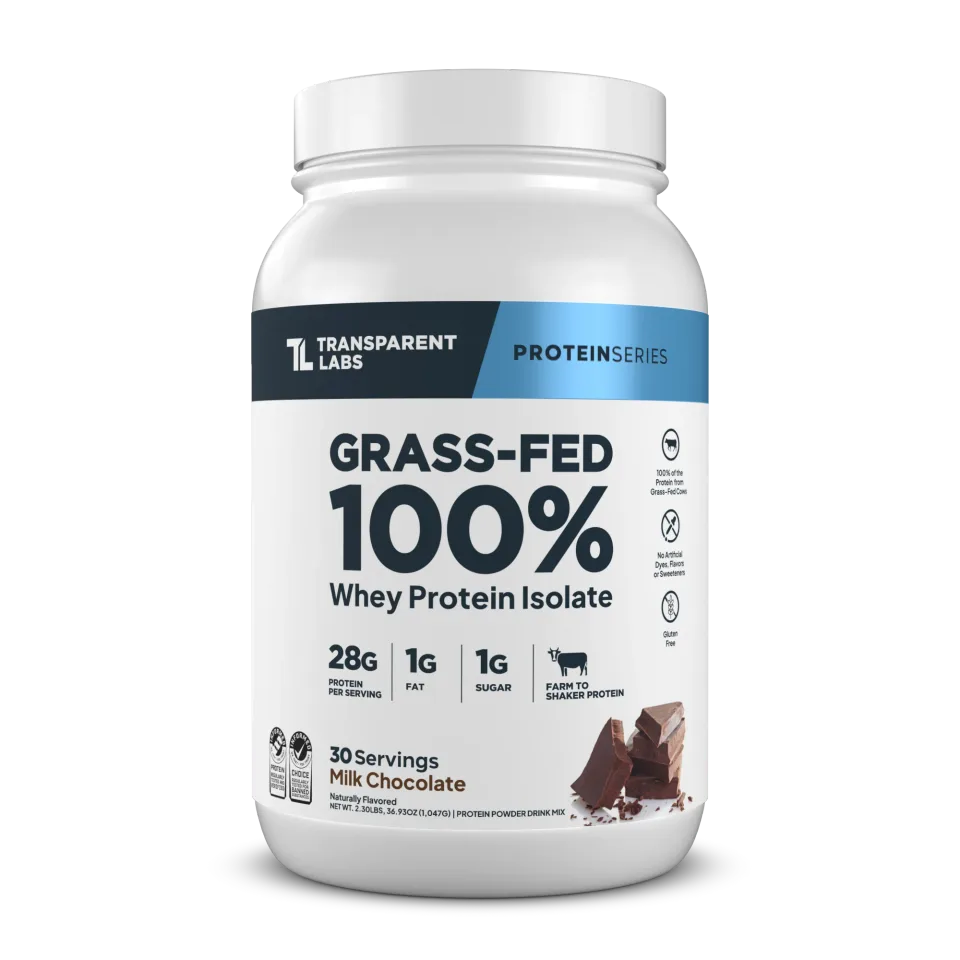
From our rankings, Optimum Nutrition Gold Standard 100% Whey is Informed Choice certified, and its listing shows tested batches by flavor [12]. Transparent Labs BULK Pre-Workout is Informed Choice certified, according to the brand [13], and Transparent Labs says its whey isolate carries both Informed Choice and Informed Protein [14]. Informed Protein, part of the same LGC family, checks that the protein amount on the label matches what's inside and screens for amino acid spiking [15].
Logos can also outrun a certification. USADA has warned that third-party logos sometimes appear on product batches that were never certified, citing a notice NSF published about certain Gatorade products that carried its Certified for Sport logo on uncertified batches [5]. Always confirm the product, and ideally the lot, in the certifier's own database rather than trusting a logo or a listing photo.
USP Verified and IFOS
USP Verified is a quality mark rather than a sport mark. The Department of Defense's Operation Supplement Safety describes it as verifying a product's ingredients and their amounts and checking that it's free from contaminants, but notes that it doesn't test for substances banned in sport [9]. That makes it a solid signal for an everyday multivitamin and a weak one for a tested athlete.
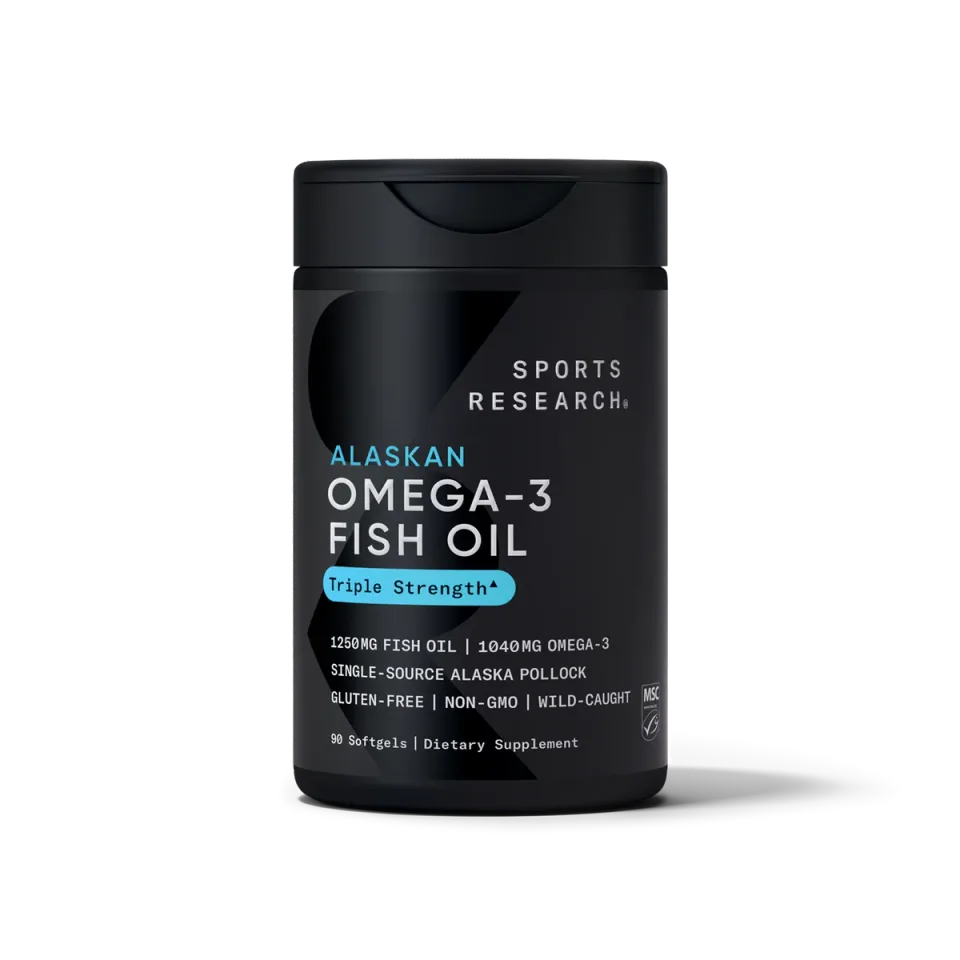
For fish oil, IFOS publishes lot-level reports that compare each batch against limits for omega-3 potency, oxidation (a marker of freshness) and contaminants such as PCBs, dioxins and heavy metals [10]. Sports Research Triple Strength Omega-3 is one example: IFOS publishes its lot reports [10], and the brand advertises an IFOS 5-Star rating [16]. Its MSC certification, by contrast, means the fish meets the Marine Stewardship Council's environmental standard for fishing, which says nothing about purity [16].
Seals and phrases that don't mean what you might think
| Label claim | What it actually tells you |
|---|---|
| "Third-party tested" or "lab tested" | Someone tested something at some point. A manufacturer's own use of words like "verified" or "certified" doesn't guarantee quality or consistency [17], so ask which lab, what was tested and whether results are published. |
| "Made in an FDA-registered facility" | Facilities are often required to register, but the FDA doesn't approve manufacturing facilities, and registration isn't an approval [1]. |
| "cGMP compliant" | Good manufacturing practices are a legal requirement for every supplement company [1], not independent verification of the finished product. |
| "Made in a GMP-certified facility" | The facility passed an audit; the product itself may never have been tested [7]. |
| "Pharmaceutical grade" | A seller's quality claim, not a certification you can look up. Ask what standard it refers to and who checked it. |
| USDA Organic, non-GMO, vegan, B Corp | How ingredients are produced or how a company operates. None of them checks that the doses on the label are accurate. |
| California Prop 65 warning | The seller is warning that the product can expose you to a chemical on California's list, such as lead. The warning itself doesn't tell you how much. |
Real examples show why the distinctions matter. Orgain's plant protein carries the USDA Organic seal [18], which describes how its ingredients were grown and handled, not what a lab found in the finished powder. Nutricost's whey is tested by an independent, accredited lab, according to the brand, and its product page highlights a "GMP compliant, FDA registered facility." Yet the same page carries a Prop 65 warning about lead for several flavors and sizes, and the product doesn't advertise a sport certification [19]. Neither fact makes these bad products; they simply show why one badge rarely tells the whole story.
How to verify a claim in two minutes
- Find a named program, not just the word "tested."
- Search the certifier's own database. NSF Certified for Sport lets you search by product name, brand or lot number [5], and Informed Sport by brand, product name or batch number [20]. Match the exact product and flavor, since listings are often broken down by flavor [12].
- Check your batch. For batch-tested programs, confirm that the lot number printed on your container matches a certified entry [5].
- Ignore borrowed authority. The World Anti-Doping Agency doesn't certify or endorse supplements, so a "WADA approved" claim is meaningless [20].
- Read certificates of analysis carefully. If a brand publishes a COA, check the testing lab (ISO/IEC 17025 accreditation means its procedures have been independently assessed [20]), the date, whether the lot number matches your tub, and what was actually tested: potency, heavy metals, microbes or banned substances.
- Buy from official stores or authorized sellers. Treat a seal in a marketplace photo as a claim to check, not proof.
Pro tip: Even the best programs have limits. Informed Sport acknowledges that no lab screen can cover every substance on sport's prohibited list [20], which is why tested athletes should keep their supplement list short.
Who really needs certified products?
- Drug-tested athletes: anyone competing under anti-doping rules, from college to the pros. Because athletes are strictly liable for what's in their system, USADA encourages using NSF Certified for Sport products and checking the lot [5], and the Department of Defense's Operation Supplement Safety tells service members to look for third-party certified products [9]. For this group, NSF Certified for Sport or Informed Sport should be non-negotiable.
- Everyday lifters: certification isn't mandatory, but it's one of the best quality signals available, especially for pre-workouts, protein powders and anything you take daily. Uncertified products aren't automatically bad; weigh label transparency and the brand's track record.
- Anyone taking medication: a certification means the contents match the label, not that anyone evaluated the product for safety or effectiveness [9]. Check with a doctor or pharmacist about interactions; the herbal supplement St. John's wort, for example, makes many medications less effective [17].
In our FR Score, third-party certification feeds directly into the Quality & Transparency criterion for supplements, as our methodology explains. Compare certified options in our protein powder, pre-workout and vitamin rankings, browse the creatine category, or watch independent reviewers dig into labels in our video library.
The bottom line
Treat "third-party tested" as the start of a question, not the answer. If you're drug tested, stick to NSF Certified for Sport or Informed Sport products and verify them, down to the lot, in the certifier's database. Everyone else can use certifications as a strong quality shortcut, while still reading the label and checking with a clinician before adding something new.
Frequently asked questions
Can a supplement be FDA approved?
Which supplement certification is best for drug-tested athletes?
How do I check whether a supplement is really NSF certified?
Is USP Verified good enough for athletes?
Does third-party certification mean a supplement is safe for me?
References
- 1.Is It Really 'FDA Approved'? — U.S. Food and Drug Administration (2026)
- 2.Presence and Quantity of Botanical Ingredients With Purported Performance-Enhancing Properties in Sports Supplements — JAMA Network Open (2023), full text on PubMed Central
- 3.Unapproved Pharmaceutical Ingredients Included in Dietary Supplements Associated With US Food and Drug Administration Warnings — JAMA Network Open (2018)
- 4.Systematic review of undeclared prohibited substances and pharmacological adulterants in dietary supplements: prevalence, detection, and risks in sport — Frontiers in Sports and Active Living (2026)
- 5.Athlete Advisory: Always Verify Third-Party Certified Logos on Dietary Supplements — U.S. Anti-Doping Agency (USADA)
- 6.What Our Mark Means — NSF Certified for Sport
- 7.NSF International Product Certification Steps — NSF Certified for Sport
- 8.Informed Sport vs Informed Choice — Informed Sport (LGC)
- 9.Why is Third-Party Certification Important for Dietary Supplements? — Operation Supplement Safety, U.S. Department of Defense (2024)
- 10.Omega-3 Fish Oil Triple Strength 1250mg, Batch/Lot #: UC260228 — IFOS lot report, Certifications by Nutrasource
- 11.Basic Nutrients 2/Day - NSF Certified for Sport — Thorne (product page)
- 12.ON Gold Standard 100% Whey — Informed Choice (LGC) certified product listing
- 13.Bulk Pre-Workout — Transparent Labs (product page)
- 14.Whey Protein Isolate | Grass Fed Protein Powder — Transparent Labs (product page)
- 15.About Informed Protein — Informed Protein (LGC)
- 16.Omega-3 Fish Oil from Wild Alaska Pollock — Sports Research (product page and label)
- 17.Using Dietary Supplements Wisely — National Center for Complementary and Integrative Health (2019)
- 18.Organic Plant-Based Protein Powder — Orgain (product page)
- 19.Nutricost Whey Protein Concentrate Powder — Nutricost (product page)
- 20.Frequently Asked Questions — Informed Sport (LGC)
This article is for general information and isn’t medical advice. Talk to a doctor or registered dietitian before starting a supplement, especially if you’re pregnant, take medication or have a health condition. Health disclaimer
Updated October 7, 2026 · We may earn a commission when you buy through our links — it never affects our scores.