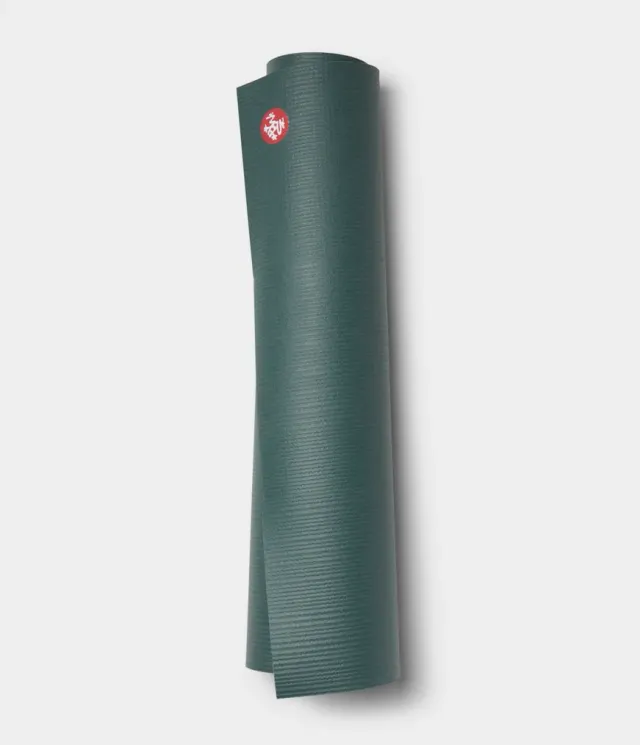
Best Overall
FR Score 9.2 out of 10, Exceptional
MandukaYoga & Mobility
PRO Yoga Mat 6mm
The buy-it-once studio mat: dense, supportive and guaranteed for life
3 videos
AmazonBrand store
Mats, rollers and back wheels that make flow, stretching and recovery easier
Yoga and mobility gear looks simple, but the details decide whether you use it every day or shove it in a closet. A mat is the foundation: its thickness and density set how cushioned and how stable it feels, its surface material decides how well it grips when you sweat, and its weight determines whether it ever leaves the house. Premium mats from brands like Manduka and Alo trade a higher price for grip, stability and years of use, while budget foam mats deliver plush comfort for floor work at a fraction of the cost.
products
The buy-it-once studio mat: dense, supportive and guaranteed for life
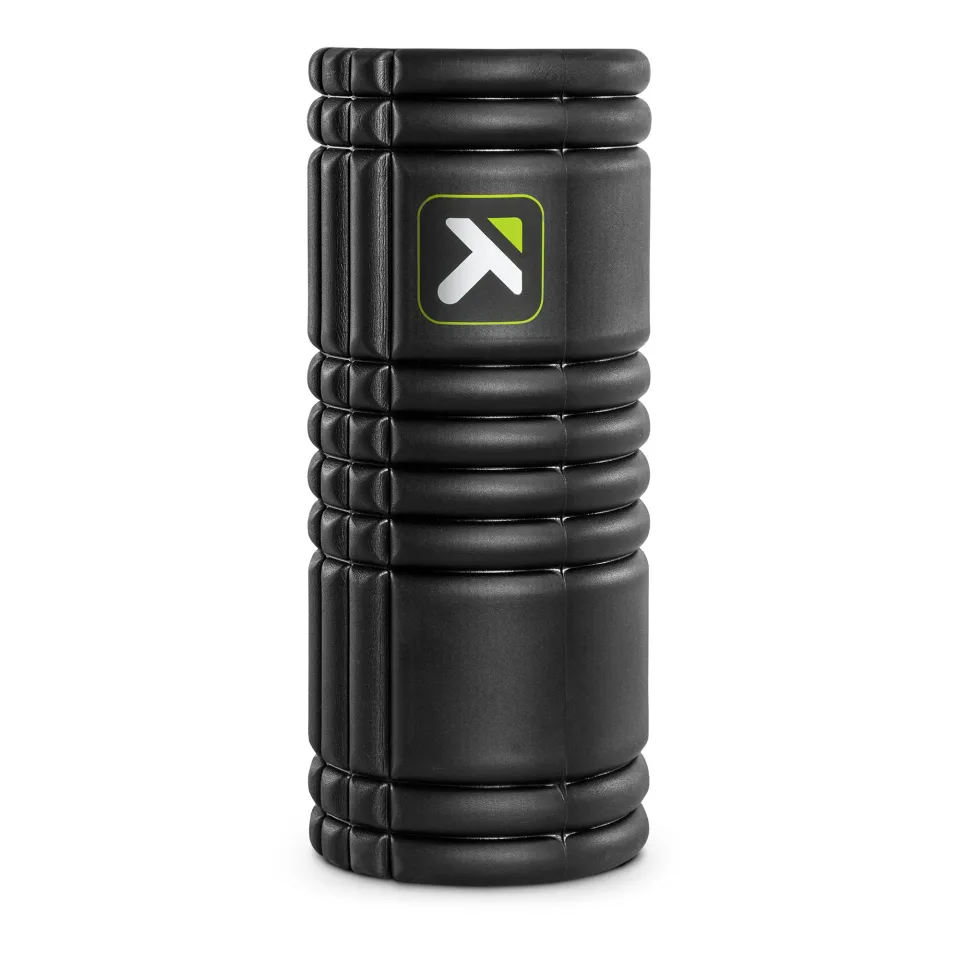
A compact, multi-density foam roller built to hold its shape for years

A grippy, oversized PU-and-rubber mat with the clean Alo look
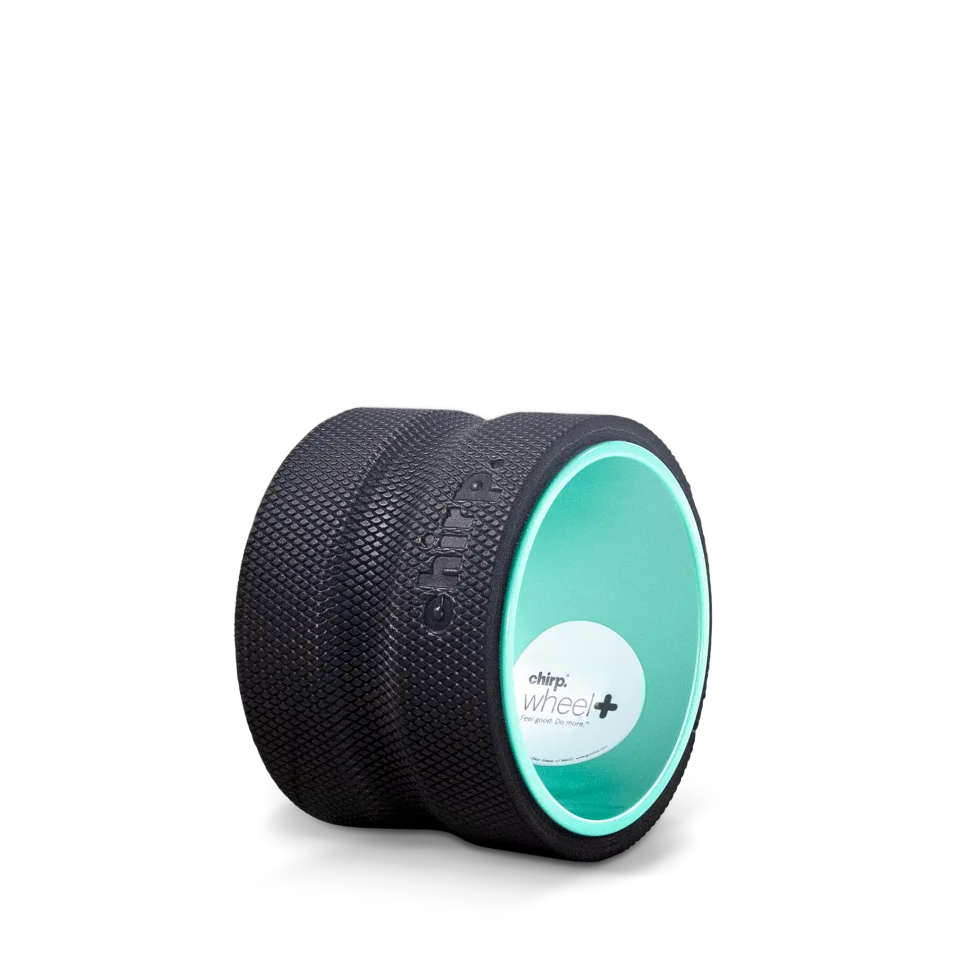
A spine-safe back wheel that makes daily back stretching easy

Extra-thick 10mm foam comfort with a carry strap for about $25
Buying guide
The handful of things that actually matter — and the marketing you can ignore.
Thickness gets the attention, but density matters as much. A dense 5 to 6mm mat like the Manduka PRO cushions knees while staying stable in balance poses, because it resists compressing under your hands and feet. A soft 10mm foam mat such as the Gaiam Essentials feels plush for floor work, stretching and Pilates, but it squishes and shifts in standing sequences. If you mostly flow and balance, choose a dense mat of roughly 4 to 6mm. If you mostly kneel, stretch or do core work on hard floors, extra-thick foam is the comfortable, affordable choice.
Surface material drives grip. Polyurethane tops bonded to rubber, like the Alo Warrior Mat, feel tacky from the first session. Closed-cell PVC, used in the Manduka PRO, keeps sweat from soaking in and wipes clean, but can feel slick if you sweat heavily, so many owners add a towel. NBR foam is soft and inexpensive, with texture that works best for dry workouts. Check care instructions before you buy: some surfaces need a specific cleaner, and PU tops can show marks from rings, lotions or sharp edges.
Standard mats run about 68 to 72 inches long and 24 to 26 inches wide. Taller practitioners should look for long sizes, such as the Manduka PRO's 85-inch version. Weight is the hidden trade-off: dense premium mats weigh around 7.5 to 8 pounds, which is great for stability at home but tiring to carry to class every day. Finally, compare guarantees. Manduka backs the PRO series for life and Gaiam offers a lifetime guarantee on its Essentials mat, while most mobility tools carry shorter warranties, such as TriggerPoint's one-year coverage.
For foam rollers, a rigid hollow core like TriggerPoint's GRID holds its shape far longer than solid budget foam, and a textured surface lets you choose broad or targeted pressure. Length matters too: a 13-inch roller is compact and travel-friendly, while longer rollers suit lying lengthwise along the spine. Back wheels such as the Chirp Wheel+ scale intensity by diameter, so larger wheels give a gentle stretch and smaller ones dig into knots. Start gentler than you think you need, avoid rolling directly over joints or injuries, and ask a clinician if you have back problems.
Video reviews
Head-to-head
Side-by-side comparisons of the yoga & mobility people most often weigh against each other.
From the blog
Yoga and mobility gear looks simple, but the details decide whether you use it every day or shove it in a closet. A mat is the foundation: its thickness and density set how cushioned and how stable it feels, its surface material decides how well it grips when you sweat, and its weight determines whether it ever leaves the house. Premium mats from brands like Manduka and Alo trade a higher price for grip, stability and years of use, while budget foam mats deliver plush comfort for floor work at a fraction of the cost.
Mobility tools cover the other half of the category. Foam rollers and back wheels let you apply pressure and stretch tight tissue on your own schedule, and the right one depends on firmness, size and the areas you want to target. Smaller and firmer means more intense pressure; bigger and softer means a gentler stretch.
Our FR Score blends the consensus of independent video reviewers, including yoga teachers, physical therapists and chiropractors, with a close read of specs, materials, guarantees and value. Every pick here is a current, widely sold product with a real track record.
The research, standards and guidance behind this yoga & mobility guide.