Whey vs. Plant Protein: Which Should You Actually Buy?
Both can build muscle. The right pick comes down to digestion, diet, taste, contaminant testing, and cost per gram of protein. Here's how to choose with confidence.
8 min read18 sources
On this page
- Whey vs. plant protein at a glance
- What whey protein actually is
- What plant protein actually is
- Does whey build more muscle?
- The heavy-metal question
- How to read a protein label
- Compare the real price: cost per 25 grams of protein
- The picks reviewers keep coming back to
- Which one should you buy?
- The bottom line
- Frequently asked questions
- References
Few supplement debates run hotter than this one. Whey has decades of research and a devoted following; plant protein has momentum, a greener reputation, and a growing list of lifters who swear by it. The good news is that both can help you build muscle. The right tub for you depends on your stomach, your diet, your budget, and how much you care about what else might be in the scoop.
Whey vs. plant protein at a glance
| Whey concentrate | Whey isolate | Plant blend (pea, rice, etc.) | |
|---|---|---|---|
| Lactose | Some (about 4–10% in the common 80% grade) | Very little (about 0.5–1%) | None |
| Amino acid profile | Complete, rich in leucine | Complete, rich in leucine | Complete when blended; less leucine per gram |
| Protein per calorie | Good | Highest | Lower; scoops are often bigger |
| Taste and texture | Creamiest | Thinner, clean | Thicker, earthier |
| Cost per gram of protein | Usually lowest | Higher | Varies widely by brand |
| Heavy-metal watch-out | Lower on average | Lower on average | Higher on average; check test data |
| Best for | Value and everyday use | Cutting, sensitive stomachs | Vegans, milk allergy, dairy-free diets |
What whey protein actually is
Whey is one of the two main proteins in milk (casein is the other), and it's separated out when milk is curdled, as in cheesemaking [1]. It comes in three main forms:
- Concentrate is the least processed and usually the cheapest. The widely used 80% grade retains some fat (about 4–8%) and lactose (about 4–10%), and it tends to taste creamiest [2].
- Isolate goes through extra filtering and must reach at least 90% protein (dry basis), leaving roughly 0.5–1% each of lactose and fat [3]. Most isolate scoops land around 25–28 grams of protein with about a gram of sugar or less, and many sensitive stomachs handle it better.
- Hydrolyzed whey is partially broken down into smaller peptides. It digests quickly, but you pay extra, and in an eight-week training trial it built no more strength or muscle than ordinary whey concentrate [4].
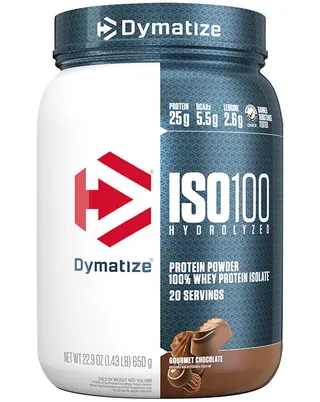
Lifters love whey for good reason. It's a complete protein, it digests quickly, and it's naturally rich in leucine, the amino acid most closely tied to switching on muscle protein synthesis [1]. Whey is about 11% leucine, so a 25-gram serving of whey protein supplies roughly 2.7 grams [5]. Dymatize ISO100, for example, lists 2.6 grams of leucine in its 25-gram serving [6].
The downsides: concentrate can bother people who are lactose intolerant, although most people with lactose intolerance tolerate 12–15 grams of lactose at a time, far more than a scoop contains [7]. Whey of any kind is off the table with a milk allergy, because milk is a major food allergen and allergies are reactions to the protein itself, so lactose-free doesn't mean safe [8]. And many mainstream tubs rely on artificial sweeteners like sucralose and acesulfame potassium.
Safety note: Lactose intolerance is a digestive issue; a milk allergy is an immune reaction that can be serious. If you have a diagnosed milk allergy, avoid whey isolate and hydrolysate too, and ask your allergist before trying any dairy-based powder.
What plant protein actually is
Plant powders are usually built from pea, brown rice, soy, hemp, pumpkin seed, or a blend. Individual plant proteins tend to run low in one or more essential amino acids: pea is relatively low in methionine, while rice is relatively low in lysine. Blending them fills the gaps, which is why most good plant powders combine two or more sources [5]. Soy is the exception, a complete protein on its own [1].
Plant proteins also tend to be slightly less digestible and lower in leucine per gram than whey. That's the main reason short-term lab studies often find a smaller muscle-building response from plant protein than from the same dose of whey [9]. Bigger servings and smart blends are the usual ways to close the gap [5, 9].
Here's roughly how much protein it takes to match the leucine in a standard 25-gram serving of whey, based on laboratory analysis of commercial protein isolates [5]:
| Protein source | Grams of protein to match 25 g of whey's leucine |
|---|---|
| Whey | 25 g |
| Brown rice | 37 g |
| Pea | 38 g |
| Soy | 40 g |
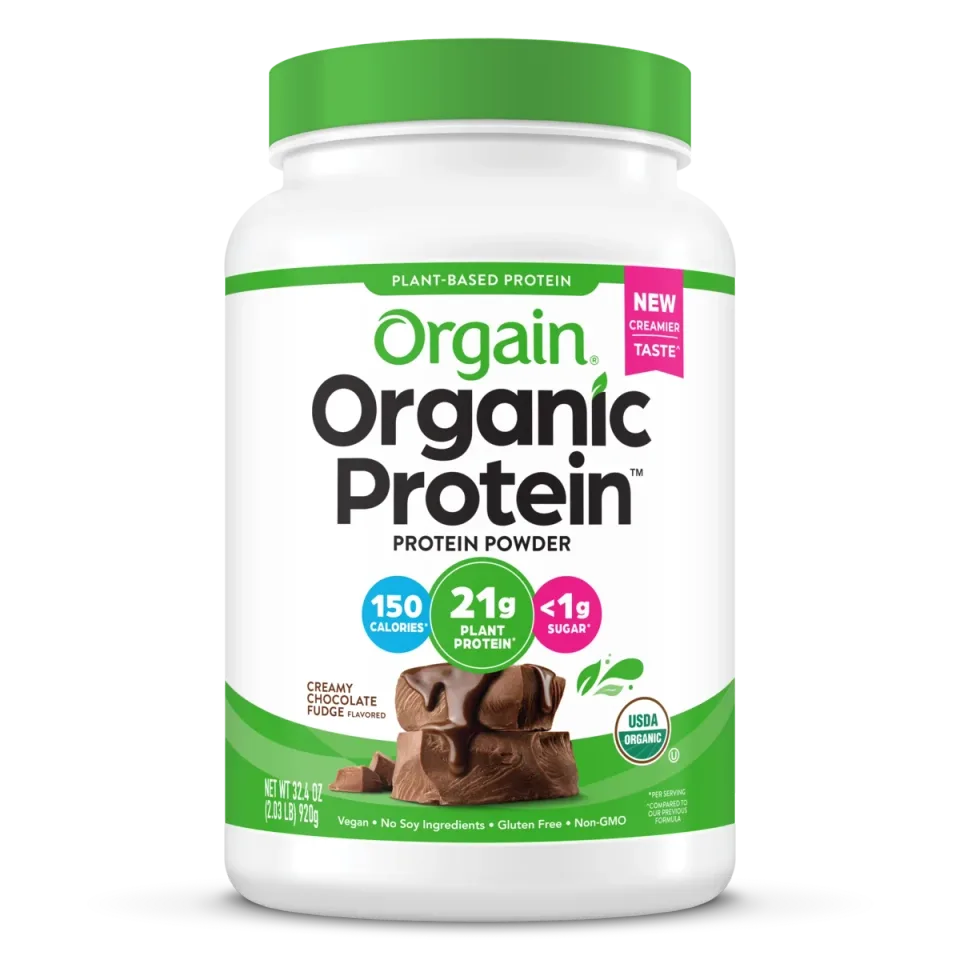
Those are grams of protein, not grams of powder, so the scoop weight runs higher still. The practical trade-offs will be familiar if you've tried a few: thicker or grittier texture, earthier flavors, more gums and fiber, and larger scoops. The popular Orgain Organic Protein, for instance, uses a two-scoop, 46-gram serving to deliver 21 grams of protein [10, 11].
Does whey build more muscle?
Gram for gram, short-term lab studies often show a stronger muscle-building signal from whey. But you don't live in a single meal. In longer training studies, people using pea or soy protein have generally gained strength and muscle similar to people using whey, as long as their total daily protein intake was adequate [12, 13]. A 2021 meta-analysis of 16 trials found no overall difference in absolute lean mass or strength between animal and plant protein, though animal protein had a small edge for percent lean mass, and adults under 50 gained about 1 lb (0.4 kg) more lean mass with it [14].
That points to what actually matters most:
- Total daily protein. The International Society of Sports Nutrition's position stand on protein suggests roughly 1.4–2.0 grams per kilogram of body weight per day for most people who exercise [1]. For a 180-lb (82 kg) lifter, that's about 115–165 grams a day.
- Per-meal servings. The same position stand suggests about 20–40 grams of high-quality protein per serving, spread across the day every three to four hours [1]. If you use plant protein, aiming toward the upper end is a sensible hedge, given the leucine math above.
- Training and consistency. No powder beats a solid program and enough food.
Protein powder is a convenience, not a requirement; whole foods can cover your needs, and powder simply makes high-quality protein easy to fit in [1]. If you have kidney disease or another medical condition, talk with your doctor before significantly increasing your protein intake, since people with kidney failure generally benefit from limiting protein [1].
The heavy-metal question
Plants absorb minerals from the soil they grow in, including heavy metals like lead and cadmium. Consumer Reports' October 2025 lab testing of 23 popular protein powders and shakes found that, on average, the plant-based products had about nine times the lead of the dairy-based ones, although results varied widely from product to product, and even some dairy-based products had enough lead that CR advised against daily use [11].
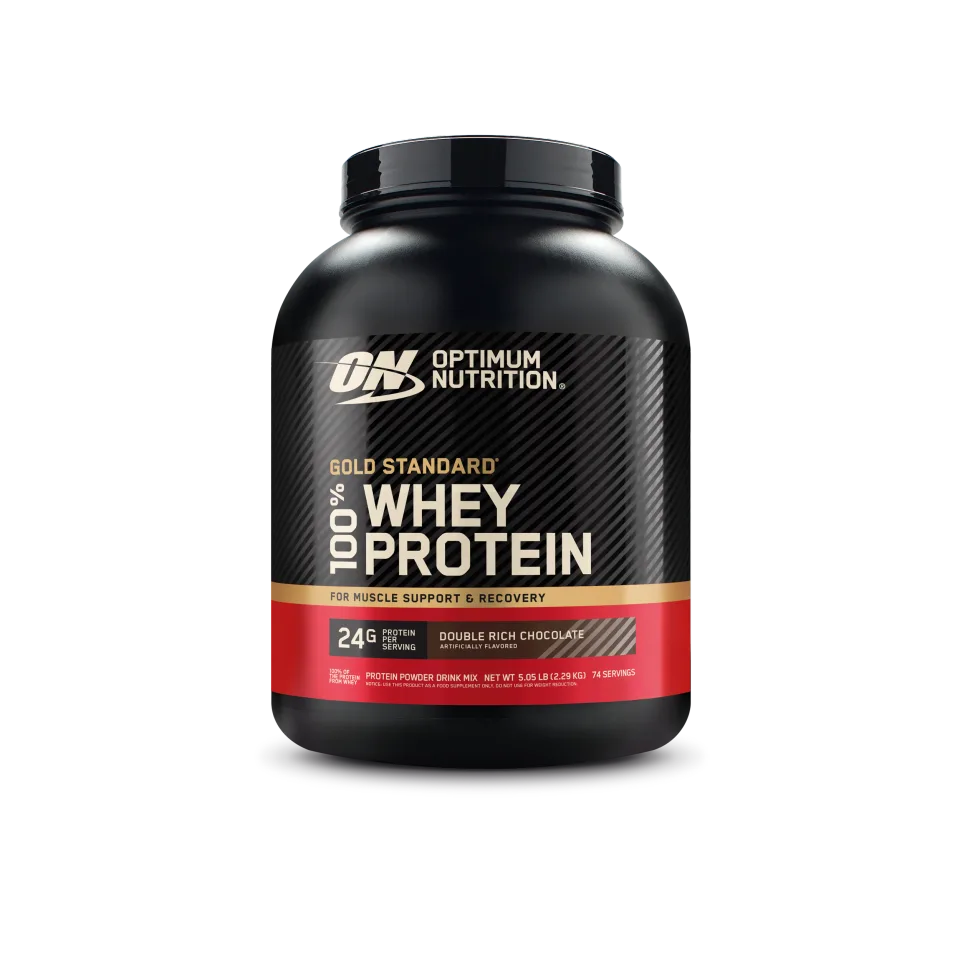
That doesn't make every plant protein a problem or every whey spotless. The Chocolate flavor of Optimum Nutrition Gold Standard 100% Whey landed among CR's better choices for daily use, while CR suggested limiting Orgain's Vanilla Bean flavor to about four or five servings a week rather than daily [11]. Orgain told CR it considers its products safe for daily use [11].
What to do about it:
- Favor brands that use third-party testing and publish batch results (certificates of analysis).
- Look up independent contaminant data for the specific product and flavor you're considering.
- Rotate protein sources instead of relying on several scoops a day of one plant powder.
How to read a protein label
A few quick checks separate solid products from marketing:
- Third-party certification. Informed Choice, Informed Sport, and NSF Certified for Sport all screen for substances banned in sport. Informed Sport tests every batch before release, while Informed Choice uses regular blind testing of retail samples [15]. NSF also checks that the label matches what's inside and that contaminants stay within safe limits [16]. If you compete in a drug-tested sport, treat certification as non-negotiable.
- Protein vs. scoop weight. Pure whey isolate is at least 90% protein on a dry basis [3], so an isolate should deliver most of its scoop weight as protein. If a 45-gram scoop yields just 20 grams of protein, you're paying for flavoring, fillers, or fiber.
- Amino spiking. Standard lab tests estimate protein from nitrogen content, so some makers have inflated protein numbers by adding cheap nitrogen-containing ingredients, such as the amino acid glycine [17]. Be wary of free-form amino acids in a protein powder's ingredient list, and of prices that seem too good to be true.
- Sweeteners. Sucralose and acesulfame potassium are common in mainstream tubs. Clean-label brands lean on stevia or monk fruit, which some people find slightly bitter, and unflavored options skip sweeteners entirely.
Compare the real price: cost per 25 grams of protein
Tub prices mislead because servings and scoop sizes vary. Use this formula:
(Price ÷ servings) ÷ grams of protein per serving × 25 = cost per 25 g of protein
A hypothetical example: a $60 tub with 30 servings of 20 grams each costs $2.00 per serving, which works out to $2.50 per 25 grams of protein. A cheap-looking tub with small scoops can easily lose this math, and prices change often, so rerun it whenever you restock.
Pro tip: For plant powders, run the same math on the amount you'll actually need. If you plan a slightly bigger serving to match whey's leucine, factor that into the cost per shake.
The picks reviewers keep coming back to
Our FR Score blends independent video-review consensus with label analysis, third-party testing, and value (here's how we review). In this category, Optimum Nutrition Gold Standard remains the benchmark: reviewers consistently praise its spoon-easy mixing and deep flavor lineup, and ON lists it as Informed Choice certified [18].
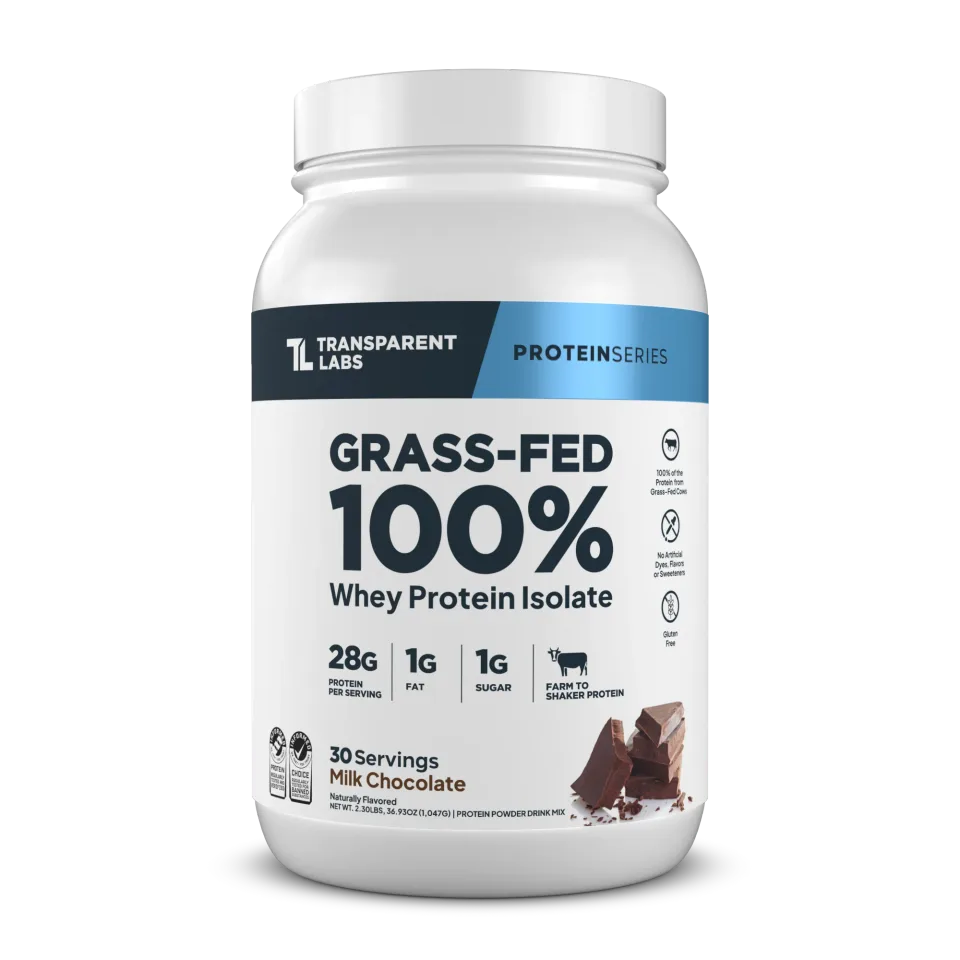
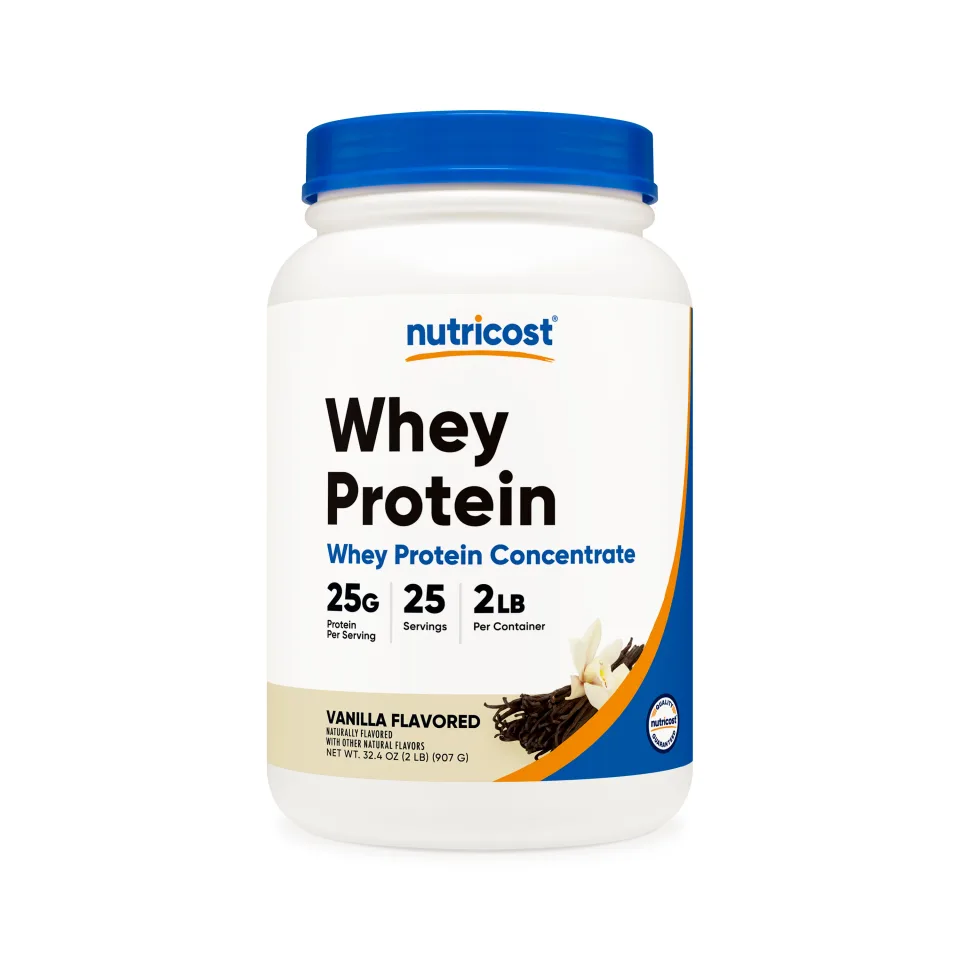
If you want isolate macros, a cleaner label, or a no-frills tub, three picks cover it: Dymatize ISO100 for taste and lean macros; Transparent Labs Grass-Fed Whey Isolate for no artificial sweeteners, published test results [11], and a premium price; and Nutricost Whey Protein Concentrate, a budget pick with an unflavored option (watch for sales, because its price edge over name brands varies).
For a plant option, Orgain is creamy, widely available, USDA Organic [10], and one of the better-tasting plant powders in reviewers' eyes. Given CR's lead findings, it fits a few shakes a week better than several a day.
See the full ranking in our best protein powders guide, or browse every option in the protein powder category.
Which one should you buy?
Choose whey concentrate or a whey blend if dairy doesn't bother you and you want the best taste and value.
Choose whey isolate if you're lactose-sensitive, cutting, or tracking macros closely.
Choose a plant blend or soy if you're vegan, have a milk allergy, or simply feel better without dairy. Favor third-party-tested brands with published contaminant data, and consider a slightly bigger serving.
Prefer to chew your protein? Our protein bars and snacks category covers the options reviewers rate highest.
The bottom line
For most people who tolerate dairy, whey, especially a well-tested blend or isolate, is the easiest, best-value way to hit your protein target. Plant protein is a genuinely good alternative for vegans and dairy-free eaters, provided you choose a well-formulated blend, check the contaminant data, and hit your daily total. The best powder is the one you'll drink consistently.
Frequently asked questions
Can I drink whey protein if I’m lactose intolerant?
How much protein powder should I have per day?
What is the best plant protein for building muscle?
Is it safe to drink a protein shake every day?
Can you mix whey and plant protein?
References
- 1.International Society of Sports Nutrition Position Stand: protein and exercise — Journal of the International Society of Sports Nutrition (2017)
- 2.Whey Protein Concentrate (WPC) Standard — American Dairy Products Institute (v4.0, 2023)
- 3.Whey Protein Isolate (90%+) — American Dairy Products Institute ingredient bulletin (2025)
- 4.Effects of Hydrolyzed Whey versus Other Whey Protein Supplements on the Physiological Response to 8 Weeks of Resistance Exercise in College-Aged Males — Journal of the American College of Nutrition (2017)
- 5.Protein content and amino acid composition of commercially available plant-based protein isolates — Amino Acids (2018)
- 6.ISO100® Hydrolyzed Protein Powder — Dymatize (product page)
- 7.Systematic review: effective management strategies for lactose intolerance — Annals of Internal Medicine (2010)
- 8.Food Allergies — U.S. Food and Drug Administration
- 9.The Skeletal Muscle Anabolic Response to Plant- versus Animal-Based Protein Consumption — Journal of Nutrition (2015)
- 10.Organic Protein™ Plant Based Protein Powder — Orgain (product page)
- 11.Protein Powders and Shakes Contain High Levels of Lead — Consumer Reports (October 2025, updated January 2026)
- 12.Pea proteins oral supplementation promotes muscle thickness gains during resistance training: a double-blind, randomized, Placebo-controlled clinical trial vs. Whey protein — Journal of the International Society of Sports Nutrition (2015)
- 13.High-Protein Plant-Based Diet Versus a Protein-Matched Omnivorous Diet to Support Resistance Training Adaptations: A Comparison Between Habitual Vegans and Omnivores — Sports Medicine (2021)
- 14.Animal Protein versus Plant Protein in Supporting Lean Mass and Muscle Strength: A Systematic Review and Meta-Analysis of Randomized Controlled Trials — Nutrients (2021)
- 15.Informed Sport vs Informed Choice — Informed Sport (LGC)
- 16.What Our Mark Means — NSF Certified for Sport
- 17.Whey Protein Powder Analysis by Mid-Infrared Spectroscopy — Foods (2021)
- 18.Are your products Informed Choice certified? — Optimum Nutrition support
This article is for general information and isn’t medical advice. Talk to a doctor or registered dietitian before starting a supplement, especially if you’re pregnant, take medication or have a health condition. Health disclaimer
Updated October 7, 2026 · We may earn a commission when you buy through our links — it never affects our scores.