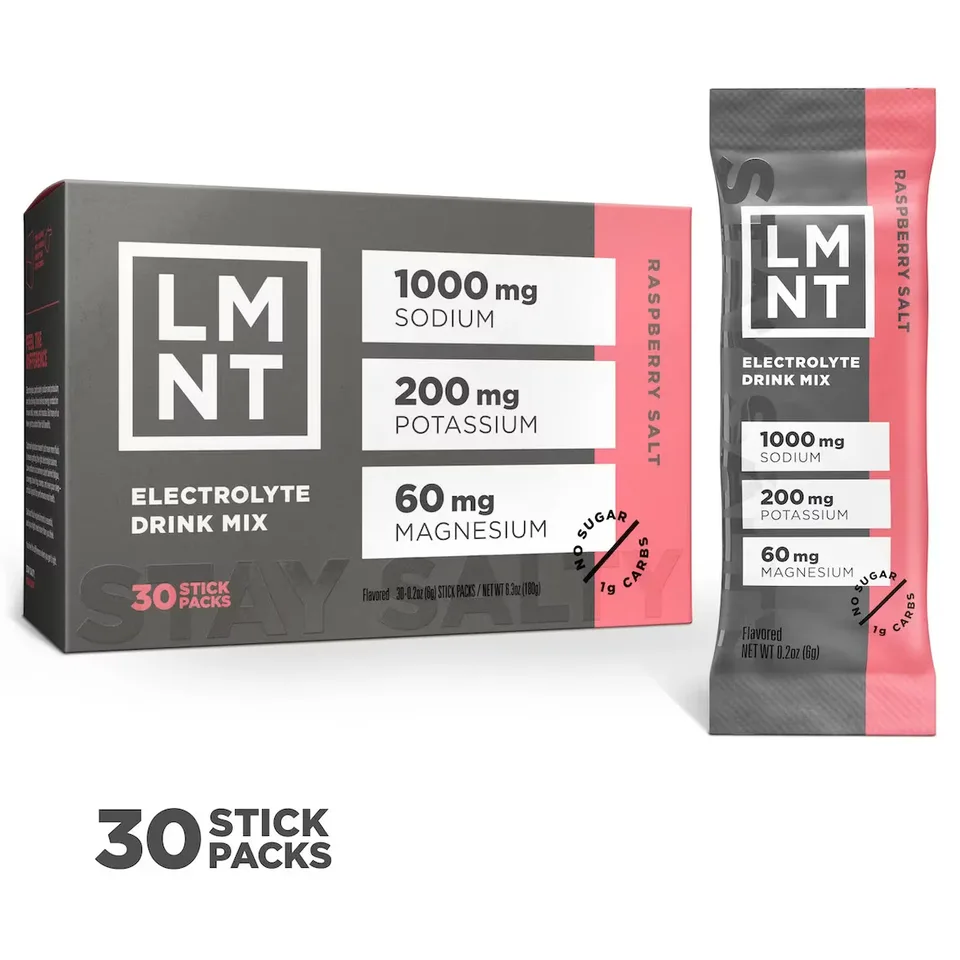
Best Overall
FR Score 8.7 out of 10, Excellent
LMNTElectrolytes & Hydration
Zero Sugar Electrolytes Drink Mix
1,000 mg of sodium and zero sugar: the salty cult favorite for heavy sweaters.
5 videos
AmazonBrand store
Salty, sugar-free, or ORS-style: the hydration mixes reviewers actually rate.
Electrolyte mixes have gone from endurance-athlete niche to everyday water-bottle staple, and the shelf is now crowded with sticks, tablets, and tubs that look alike but behave very differently. The biggest difference is sodium: some mixes deliver 1,000 mg per serving for heavy sweaters, while others carry barely 50 mg and work more like mineral-enhanced flavored water. The second is sugar. A little glucose helps your gut absorb sodium and water, which is why oral rehydration solutions use it, but plenty of people simply want zero-sugar flavor for all-day sipping.
Our top picks
products
1,000 mg of sodium and zero sugar: the salty cult favorite for heavy sweaters.
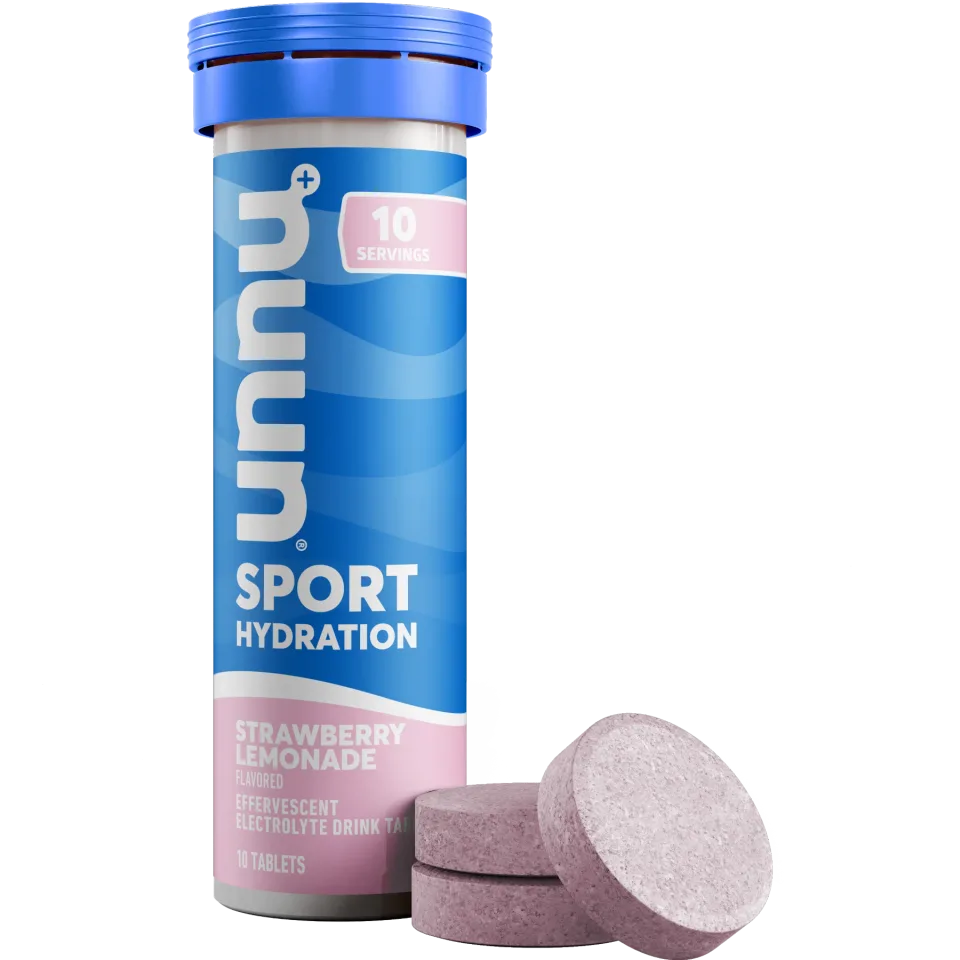
Drop-in fizzy tabs with 300 mg sodium and 1 g sugar for about 55 cents a serving.

Zero sugar, zero calories, six electrolytes: the easy-drinking daily mix that isn't salty.

Doctor-developed ORS formula: 330 mg sodium and 7 g sugar in every 8 oz stick.

A TikTok Shop favorite: big flavor, 500 mg sodium, and 11 g of sugar.
Buying guide
The handful of things that actually matter — and the marketing you can ignore.
Sodium is the electrolyte you lose most in sweat, and it's the number that separates these products. Sweat sodium varies widely from person to person, from a few hundred milligrams per liter to well over 1,000 mg. As a rough guide, 50 to 150 mg per serving is flavored water with minerals, 300 to 500 mg suits typical workouts, and around 1,000 mg is aimed at heavy or salty sweaters, long sessions in the heat, and low-carb eaters. If you see white salt lines on your hat or shirt after training, you likely sit on the higher end. Everyone else can usually start moderate and adjust.
Sugar isn't automatically bad in a hydration drink. Glucose and sodium are absorbed together in the small intestine, which is the principle behind oral rehydration solutions like DripDrop and the sugar in Liquid I.V. During long or hot sessions, those carbs also double as fuel. For desk-day sipping, though, 7 to 11 g of added sugar per serving adds up if you drink several a day. Zero-sugar mixes such as LMNT and Ultima rely on stevia instead, while Nuun Sport sits in between at 1 g. Match the sugar to the job: more for long efforts, little or none for everyday hydration.
Stick packs are easy to toss in a bag, tablets are the most portable and cheapest per serving, and tubs or canisters give the best value if you drink electrolytes daily. Pay attention to recommended water volume: some sticks are designed for 8 oz, others for 16 to 32 oz, which changes both taste and cost per bottle. Stevia is the most common zero-sugar sweetener, and some people notice an aftertaste. Also know that "natural flavors" is an umbrella term, so check a brand's own disclosures if you need to avoid specific carbohydrates or additives. If you're strict keto or sensitive to additives, an unflavored version is the cleanest choice.
If you're a drug-tested athlete, look for NSF Certified for Sport or Informed Sport on the exact product and lot you buy. In this lineup, DripDrop's rehydration powders and one sugar-free Liquid I.V. flavor appear in NSF's Certified for Sport database. Certification status changes, so verify the exact product and flavor before you rely on it. Everyone else should at least favor brands that publish lot testing for heavy metals and microbes, as LMNT does. Then do the math: canisters and tablets land around 50 to 55 cents per serving, while premium sticks run about $1.50. Over a year of daily use, that gap is several hundred dollars.
Video reviews
Head-to-head
Side-by-side comparisons of the electrolytes & hydration people most often weigh against each other.
From the blog
Electrolyte mixes range from 55 mg to 1,000 mg of sodium per serving. Here's who actually benefits, how to match a mix to your sweat, and when it's just extra salt.
Viral doesn't mean good. We scored TikTok Shop's most-hyped fitness products on reviewer consensus, labels and value. Here's what actually deserves a spot in your cart.
Electrolyte mixes have gone from endurance-athlete niche to everyday water-bottle staple, and the shelf is now crowded with sticks, tablets, and tubs that look alike but behave very differently. The biggest difference is sodium: some mixes deliver 1,000 mg per serving for heavy sweaters, while others carry barely 50 mg and work more like mineral-enhanced flavored water. The second is sugar. A little glucose helps your gut absorb sodium and water, which is why oral rehydration solutions use it, but plenty of people simply want zero-sugar flavor for all-day sipping.
The right pick depends on how much you sweat, how long and how hot you train, and whether you're watching carbs. A 45-minute lift in an air-conditioned gym rarely calls for a salt bomb; a two-hour summer run might. If you're managing blood pressure, kidney health, or take medications that affect fluid balance, check with a clinician before adding concentrated sodium.
We ranked five of the most popular mixes on Amazon and TikTok Shop with our FR Score, which blends the consensus of independent video reviewers, an analysis of each label and its third-party testing, and cost per serving. We don't run our own lab tests; instead, we show you exactly which reviews we weighed so you can watch them yourself.
The research, standards and guidance behind this electrolytes & hydration guide.