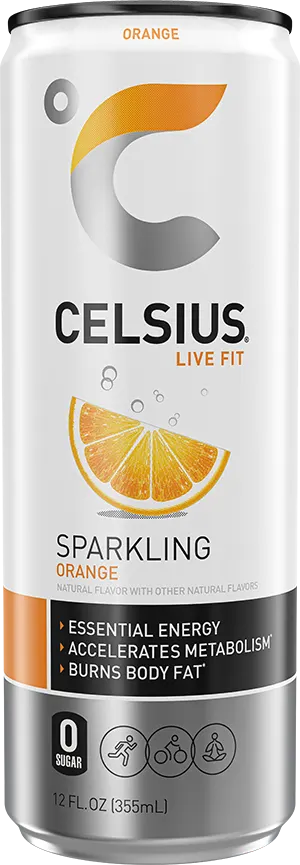
Best Overall
FR Score 9.1 out of 10, Exceptional
CELSIUSEnergy Drinks
Sparkling Energy Drink
The original fitness energy drink: 200 mg caffeine, 10 calories and zero sugar per can.
4 videos
AmazonBrand store
Zero-sugar energy drinks built for the gym, ranked by formula, taste and value.
Fitness energy drinks have taken over gym bags and fridges, promising a zero-sugar alternative to both soda-style energy drinks and scoopable pre-workout. The best ones deliver a predictable dose of caffeine, taste good enough to drink daily, and tell you exactly what's in the can. This category ranks the most popular fitness-focused options on Amazon and TikTok Shop: Celsius, Ghost, C4 Performance Energy, Alani Nu and Bloom.
products
The original fitness energy drink: 200 mg caffeine, 10 calories and zero sugar per can.

200 mg natural caffeine, fully disclosed nootropics and candy-accurate licensed flavors.

Gym-first energy: 200 mg caffeine, beta-alanine and NSF Certified for Sport.
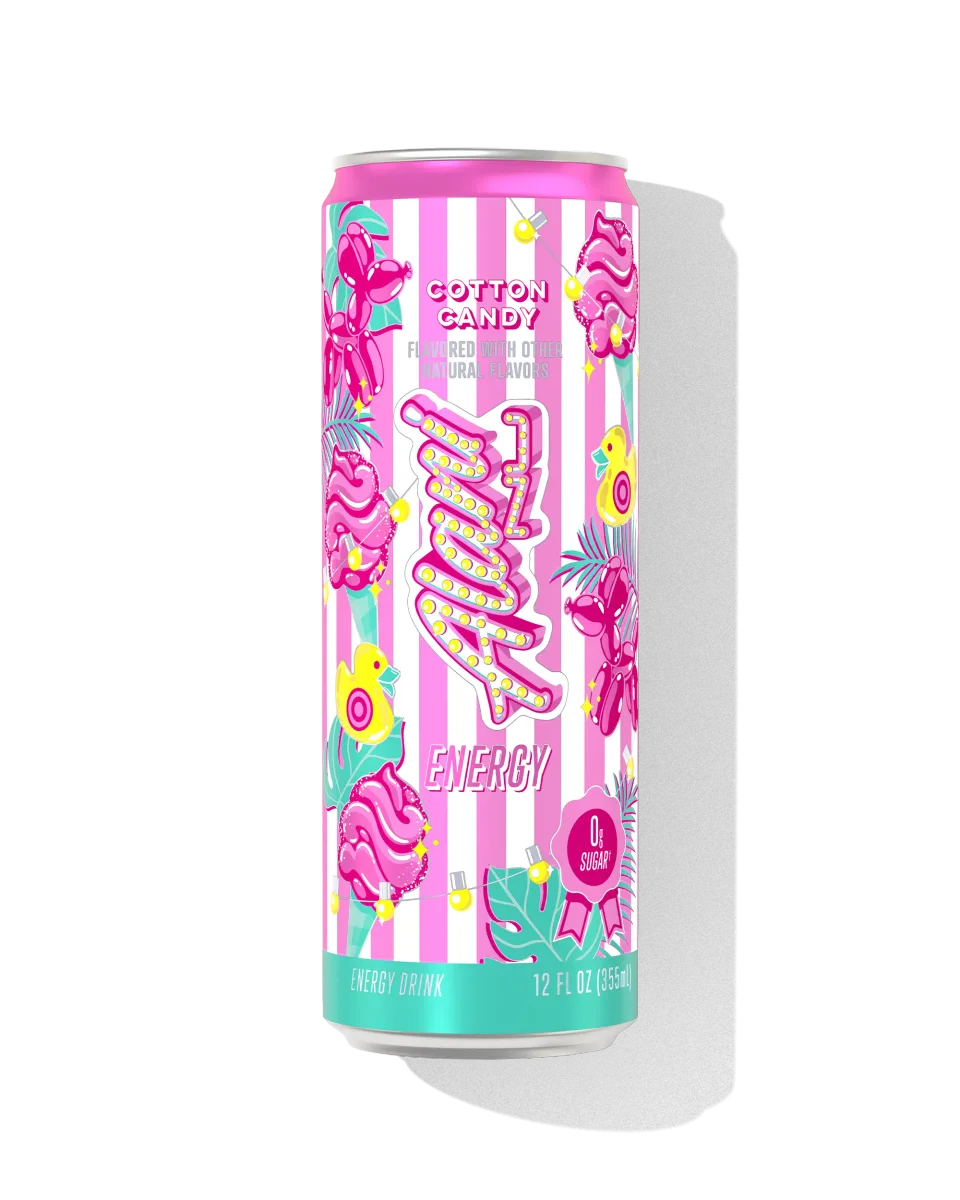
Dessert-inspired, zero-sugar flavors with 200 mg of caffeine in a 12 oz can.
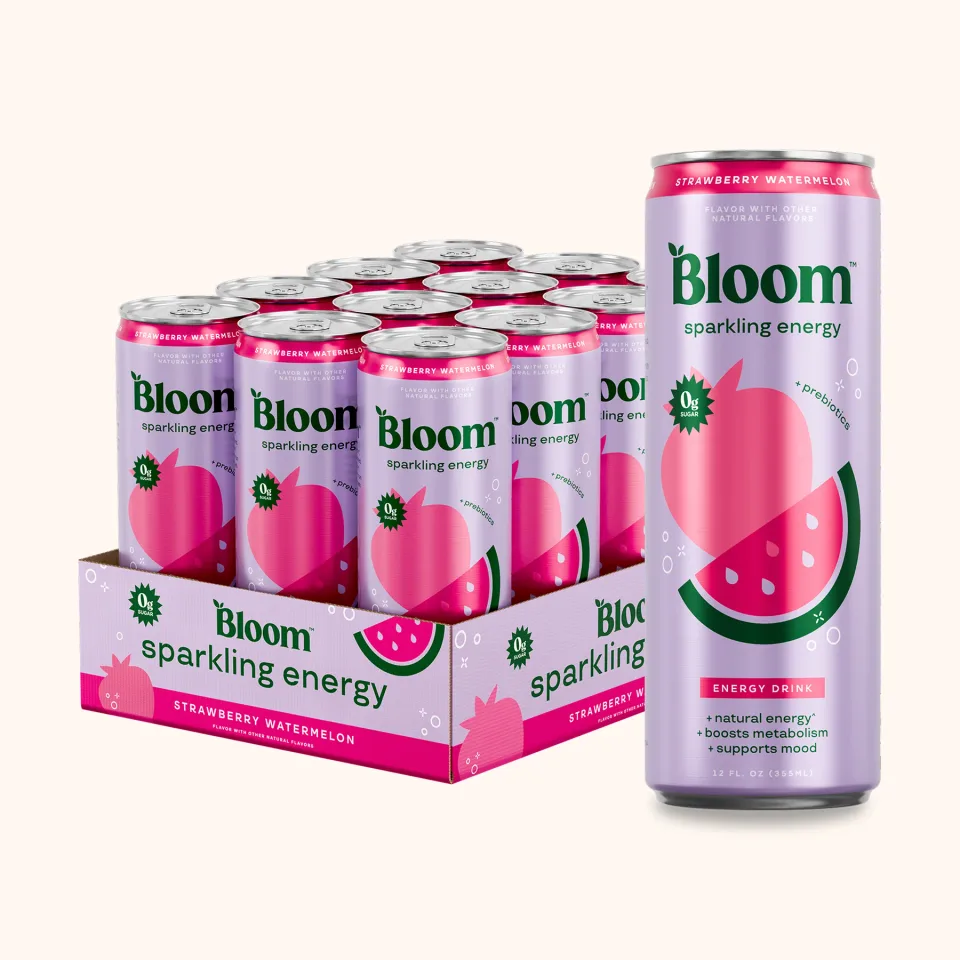
TikTok's favorite sparkling energy: 180 mg natural caffeine, 10 calories, zero sugar.
Buying guide
The handful of things that actually matter — and the marketing you can ignore.
Most fitness energy drinks carry 180 to 200 mg of caffeine per can, roughly two cups of coffee. That's plenty for a workout or a long afternoon, and it adds up quickly if you also drink coffee or take a pre-workout. The FDA cites 400 mg a day as an amount not generally associated with negative effects for most adults, so two cans plus a latte can push you over. Check the label, since formulas change: C4 Performance Energy, for example, moved to 200 mg while some older listings still describe 150 mg. Avoid caffeine within several hours of bedtime.
Every drink in this category is zero sugar and roughly 0 to 15 calories, sweetened with some combination of sucralose, acesulfame potassium and erythritol. These keep calories near zero but taste different to different people, and erythritol can bother sensitive stomachs in larger amounts. If you avoid artificial sweeteners entirely, none of these is a perfect fit, though several skip artificial colors and aspartame. Taste reviews matter here, because the same sweetener system can taste clean in one flavor and syrupy in another.
Beyond caffeine, brands add ingredients for performance or focus: beta-alanine and betaine in C4, L-carnitine, Alpha-GPC and nootropic extracts in Ghost, L-theanine and ginseng in Alani Nu and Bloom, green tea extract and ginger in Celsius. Beta-alanine causes a harmless but noticeable skin tingle. The key question is whether doses are disclosed. Ghost lists the dose of each active ingredient, while many drinks simply list ingredients, which makes it impossible to judge whether the extras are meaningful or just label decoration.
For drug-tested athletes, NSF Certified for Sport is the gold standard because it screens for hundreds of banned substances and verifies the label. Cellucor says C4 Performance Energy is NSF Certified for Sport, and Celsius says select products carry the certification. Look for the NSF mark on the can or the brand's certification page rather than assuming a whole line is covered. For everyone else, testing is less critical than for powders, but a transparent label and a major brand name still reduce risk.
Compare price per can, then per ounce if sizes differ. In this group, 12-packs run from roughly $20 to $30, or about $1.75 to $2.50 per can, with 16 oz cans from Ghost and C4 giving you more liquid for similar caffeine. Variety packs are the cheapest way to find a favorite flavor. Subscriptions, club stores and TikTok Shop flash deals can cut the cost noticeably, but watch for third-party sellers charging well above list price. Also factor in how many cans you actually drink each week, since a small per-can difference adds up quickly over a month.
Video reviews
Head-to-head
Side-by-side comparisons of the energy drinks people most often weigh against each other.
Fitness energy drinks have taken over gym bags and fridges, promising a zero-sugar alternative to both soda-style energy drinks and scoopable pre-workout. The best ones deliver a predictable dose of caffeine, taste good enough to drink daily, and tell you exactly what's in the can. This category ranks the most popular fitness-focused options on Amazon and TikTok Shop: Celsius, Ghost, C4 Performance Energy, Alani Nu and Bloom.
What matters most is caffeine per can, which ranges from 180 to 200 mg in this group, and can size, since a 12 oz and a 16 oz can both count as one serving. Look at the sweeteners (sucralose, acesulfame potassium, erythritol), any functional extras such as beta-alanine, L-theanine or L-carnitine, and whether the brand discloses ingredient doses. Drug-tested athletes should look for NSF Certified for Sport, and everyone should compare price per can.
Our FR Score blends the consensus of independent video reviewers, an analysis of each formula and its transparency, and value per can. We don't run lab tests or claim hands-on trials. Energy drinks aren't for kids, pregnant or nursing people, or anyone sensitive to caffeine, and the FDA cites 400 mg a day as an amount not generally associated with negative effects in healthy adults, so count every source.
The research, standards and guidance behind this energy drinks guide.