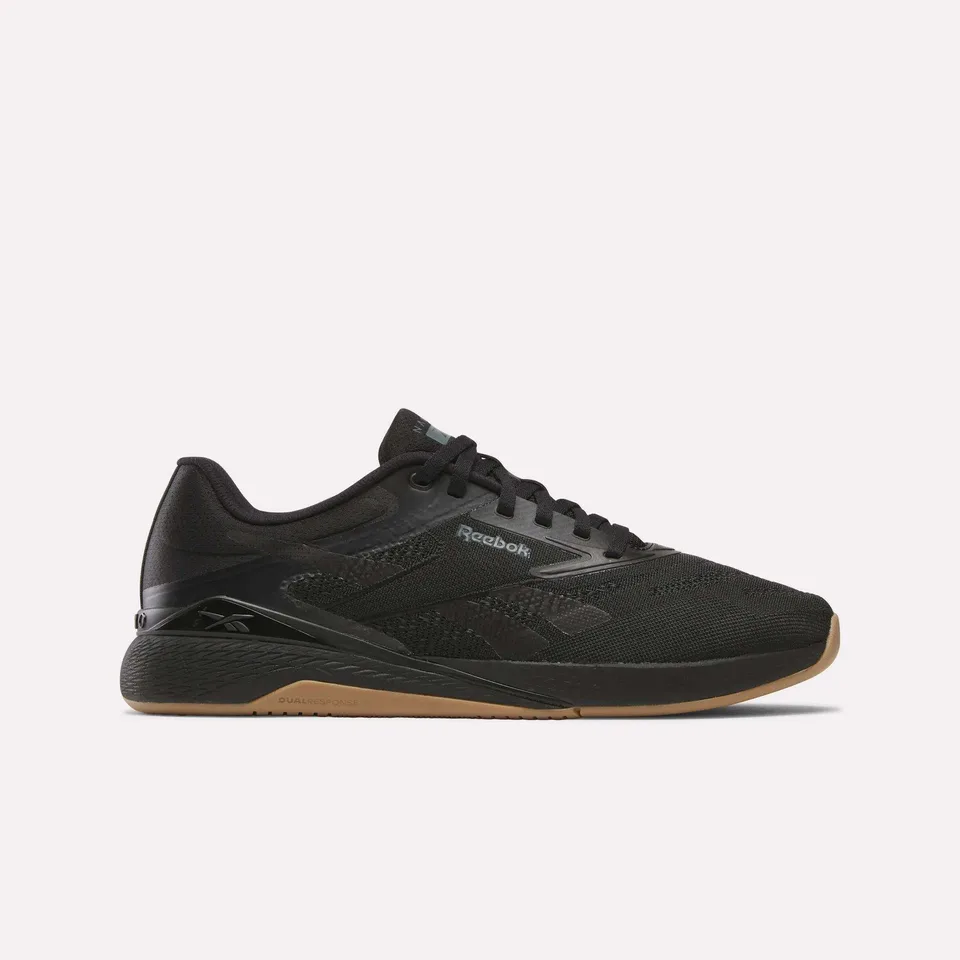
Best Overall
FR Score 8.9 out of 10, Excellent
ReebokTraining Shoes
Nano X5
The 15th-anniversary Nano is the most versatile, comfortable gym shoe you can buy
4 videos
AmazonBrand store
Stable, grippy gym shoes for lifting, CrossFit and HIIT, from $43 barefoot to $155
A good training shoe does the opposite of what a running shoe does. Instead of a thick, soft, rockered midsole that rolls you forward, it gives you a flatter, firmer platform so you can push through the floor on squats and deadlifts, plus lateral support for box jumps, lunges and agility work. The best ones add grippy rubber, tough uppers that survive rope climbs, and just enough cushioning for double-unders and short runs.
products
The 15th-anniversary Nano is the most versatile, comfortable gym shoe you can buy
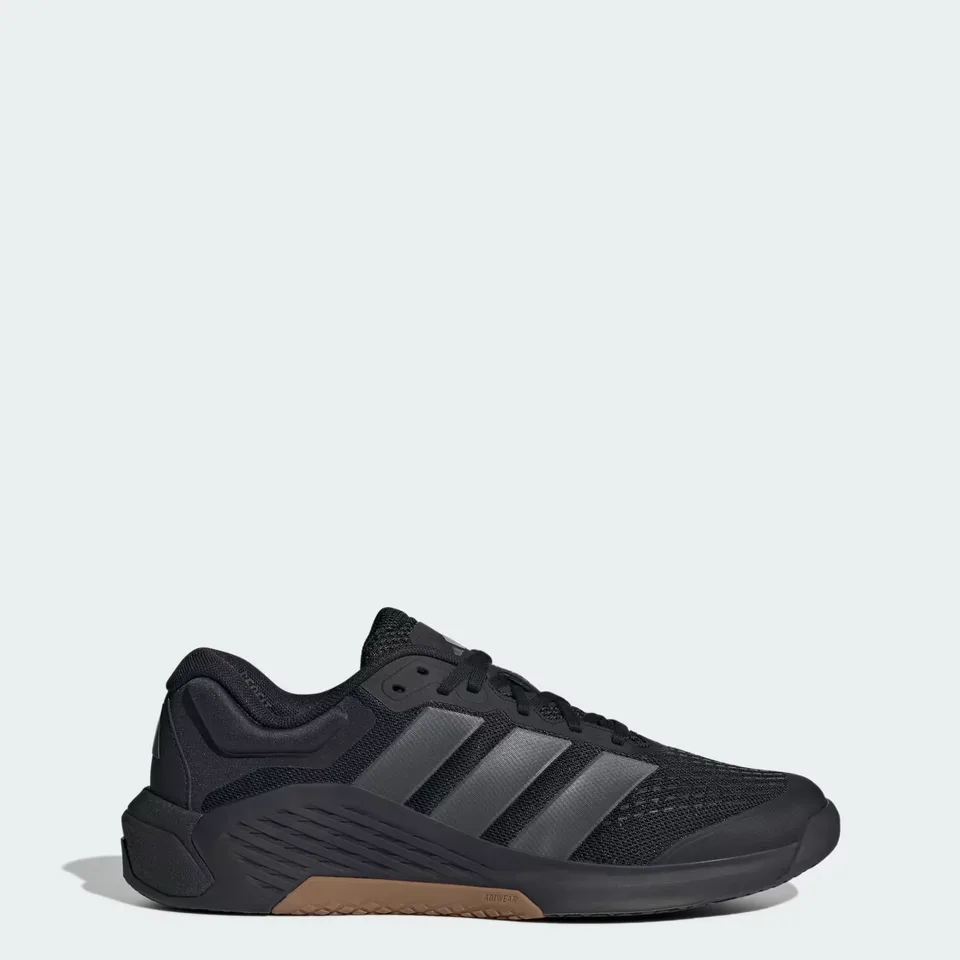
adidas' lifting-first trainer gets Repetitor foam, Geofit heel pods and serious grip
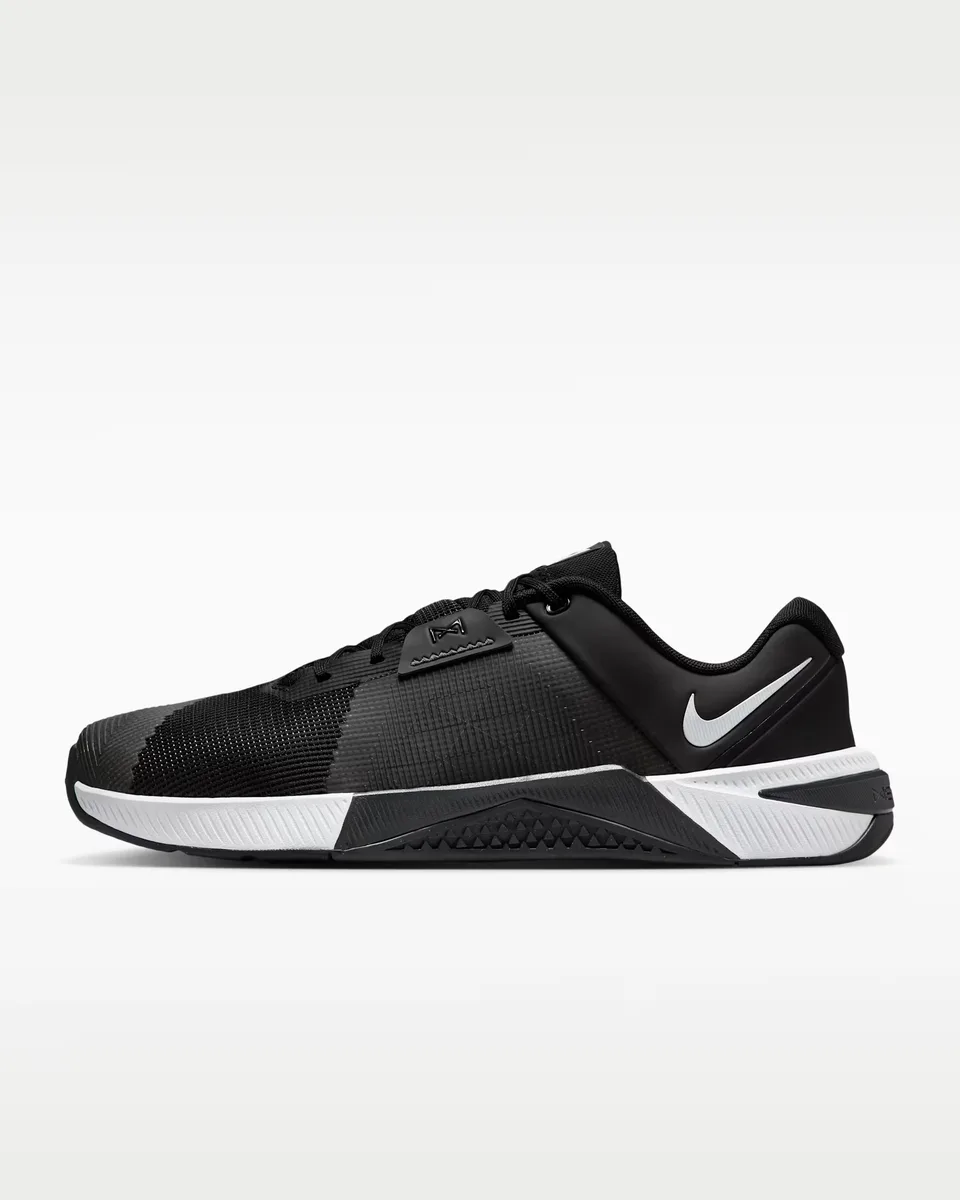
Nike's CrossFit staple, now lighter with ReactX foam and a reworked Hyperlift plate
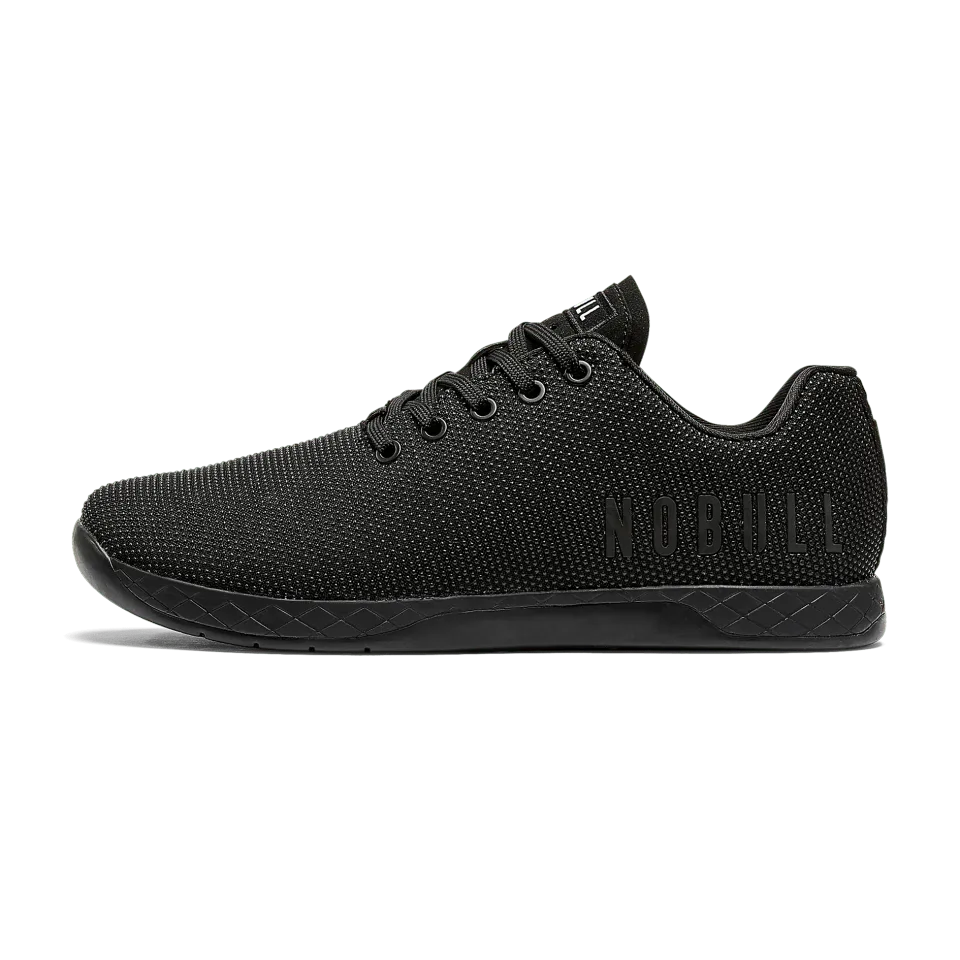
The original NOBULL trainer: low, stable, grippy and built to take a beating
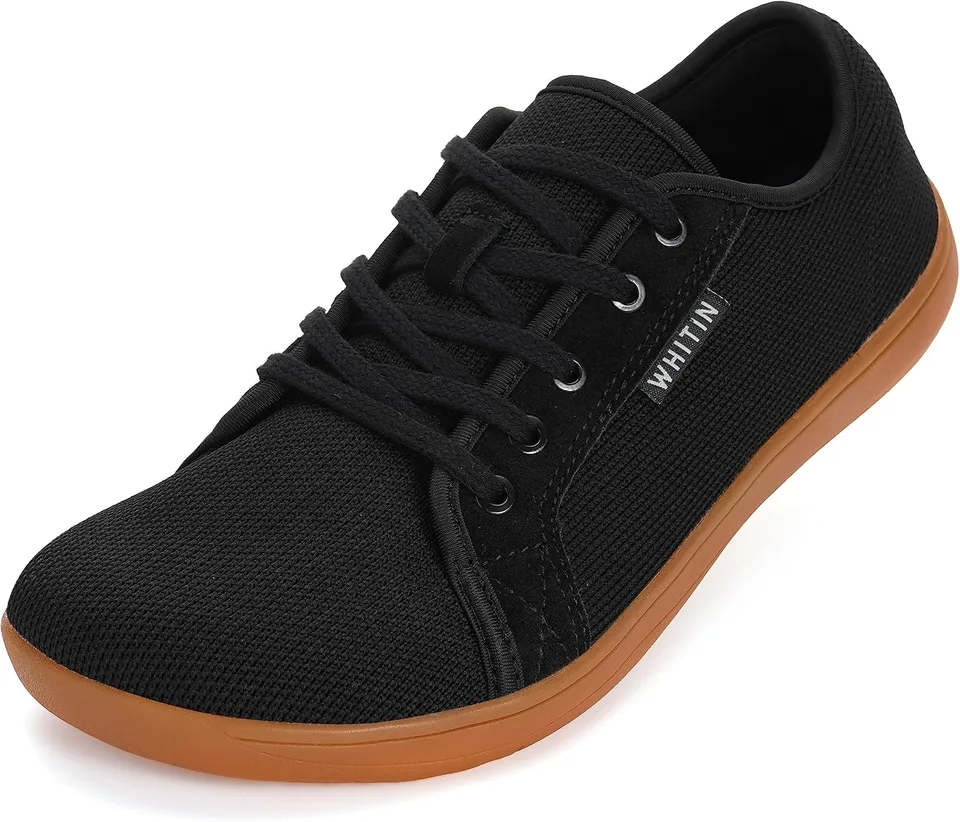
A favorite zero-drop, wide-toe barefoot sneaker for about $43
Buying guide
The handful of things that actually matter — and the marketing you can ignore.
Heel-to-toe drop is the height difference between heel and forefoot. Most training shoes sit between 0 and 7 millimeters, far lower than typical running shoes, which keeps you balanced and planted under a barbell. Lower stack heights improve ground feel and stability, while a bit more foam helps with jumping and short runs. Barefoot shoes go to zero drop and minimal stack, which many lifters love for deadlifts but takes time to adapt to. If you do Olympic lifts often, consider a dedicated lifting shoe with a raised heel.
Every trainer balances firmness against comfort. Heel stabilizers like Nike's Hyperlift plate and firmer heel foams keep you steady during heavy squats and cleans, while responsive forefoot foams make burpees, box jumps and sprints more comfortable. If your training is mostly barbell work, lean toward firm and flat. If you do lots of classes, conditioning and short runs, choose a more cushioned all-rounder like the Nano X5, and keep your long runs for real running shoes. Remember that more foam also means less ground feel under a heavy bar.
Fit is where training shoes most often go wrong. You want a locked-in heel and midfoot with room for your toes to spread under load. Some popular trainers run narrow or tapered (reviewers flag the Dropset 4 and Metcon 10), Nike recommends sizing up a half on the Metcon 10, and flat-footed athletes may find some built-in arches uncomfortable. If you have wide feet, look for roomier options, read width-specific sizing advice, and buy from retailers with easy returns. If you can, try shoes on later in the day, when your feet are largest.
CrossFit and functional fitness are brutal on shoes. Rope climbs shred midsoles and uppers, handstand push-ups scuff heels, and burpees fold the forefoot hundreds of times per session. Look for rubber wraps on the midsole, reinforced heel clips, abrasion-resistant uppers like NOBULL's SuperFabric and durable outsole rubber. Budget shoes can be excellent value, but reviewers report more variable durability, so expect to replace them sooner if you train hard several days a week. Rotating two pairs also helps extend the life of each.
Video reviews
Head-to-head
Side-by-side comparisons of the training shoes people most often weigh against each other.
A good training shoe does the opposite of what a running shoe does. Instead of a thick, soft, rockered midsole that rolls you forward, it gives you a flatter, firmer platform so you can push through the floor on squats and deadlifts, plus lateral support for box jumps, lunges and agility work. The best ones add grippy rubber, tough uppers that survive rope climbs, and just enough cushioning for double-unders and short runs.
The market has split into clear camps. Versatile all-rounders like the Reebok Nano X5 try to do everything well. Lifting-leaning trainers like the adidas Dropset 4 and Nike Metcon 10 prioritize stability and CrossFit-specific details. Minimalist shoes like the NOBULL Outwork and barefoot-style sneakers put you close to the ground with little cushioning at all.
Our rankings synthesize independent video and written reviews, especially from dedicated gym-shoe testers such as That Fit Friend and As Many Reviews As Possible, with brand and retailer specs, fit notes and pricing. Fit matters more here than almost anywhere else in fitness gear, so pay close attention to toe-box width and sizing advice before you buy.
The research, standards and guidance behind this training shoes guide.