We may earn a commission when you buy through our links — it never affects our scores.
How we picked
Accuracy came first. We looked for consistent reviewer comparisons of optical heart rate against chest straps during steady and interval work, and of GPS tracks against known routes, noting that multi-band GPS generally holds up better around tall buildings and tree cover. Sleep and recovery metrics were judged on consistency and usefulness, not on claims of medical precision. Software mattered nearly as much as hardware: how clear the app is, whether its insights lead to action, and whether you can export your data. Battery life was compared under realistic use rather than best-case marketing figures. Comfort for round-the-clock wear, whether watch, band or ring, counted too. Finally, we calculated the true cost of ownership, including required memberships, because a cheaper device with a monthly fee can cost more over two years.
The Forerunner 265 packs Garmin's best training tools, including Training Readiness, HRV Status and multi-band GPS, into a light AMOLED watch with up to 13 days of battery life. Reviewers rank it among the best running watches of its generation, and even with the newer Forerunner 570 on shelves it remains the value sweet spot.
Bright AMOLED touchscreen plus physical buttons
Multi-band GPS with SatIQ
Training Readiness, HRV Status and adaptive daily workouts
No onboard maps
Always-on display cuts battery to about 5 days
Superseded by the pricier Forerunner 570
Display1.3" AMOLED touchscreen, 416 x 416 (46mm)Sizes46mm (265) and 42mm (265S)Weight47 g (46mm); 39 g (42mm)
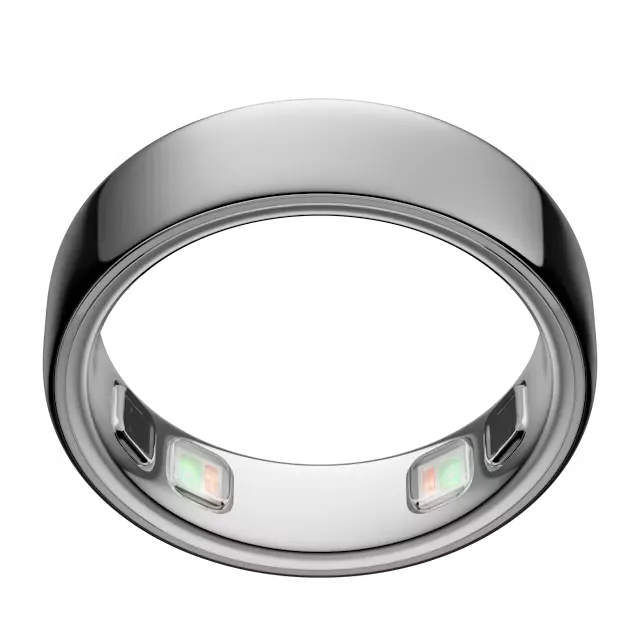
Oura Ring 5 shrinks the smart-ring category leader by 40% while keeping the sleep, readiness and health tracking reviewers rate so highly. It's the most comfortable way to track sleep around the clock, but a $5.99 monthly membership and limited workout tracking make it a sleep-and-recovery device first, not a training tool.
40% smaller than Ring 4 and comfortable to wear 24/7
Excellent sleep and readiness insights
Titanium build, waterproof to 100 m
$5.99/month membership needed for full insights
Workout tracking lags far behind watches
Ring 5-specific sizing means ordering a new sizing kit
WeightFrom 2 g (varies by size)Dimensions6.09 mm wide, 2.28 mm thickMaterialsTitanium exterior and interior
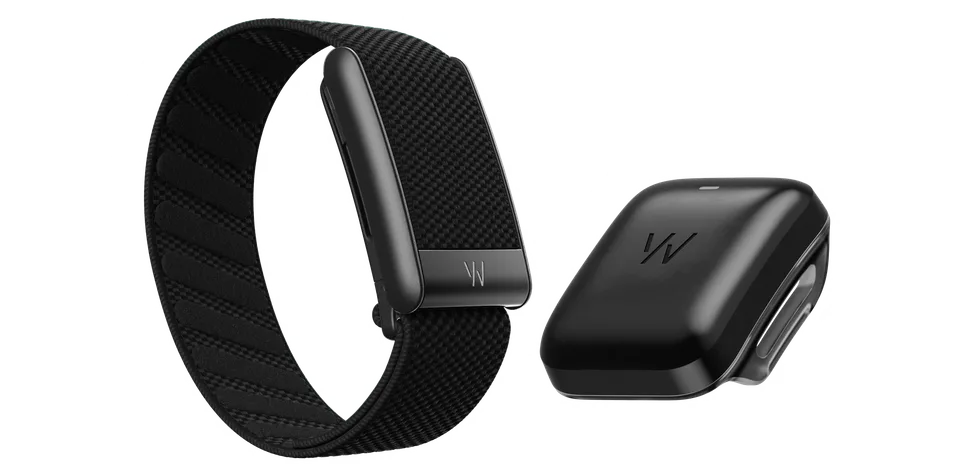
WHOOP 5.0 is the go-to wearable for people who care more about recovery, strain and sleep than notifications: a screenless band with a 14-plus-day battery and one of the most polished coaching apps around. You pay for it as a membership, from $199 to $359 a year, so it's best for people who will act on the data every day.
Screenless, comfortable 24/7 design
Rated for 14-plus days of battery life
Polished sleep, strain and recovery coaching
Membership required: $199 to $359 per year
No screen for time, pace or notifications
ECG and blood pressure insights require the priciest Life tier
HardwareWHOOP 5.0 (One and Peak) or WHOOP MG (Life)DisplayNone (screenless)Battery life14+ days
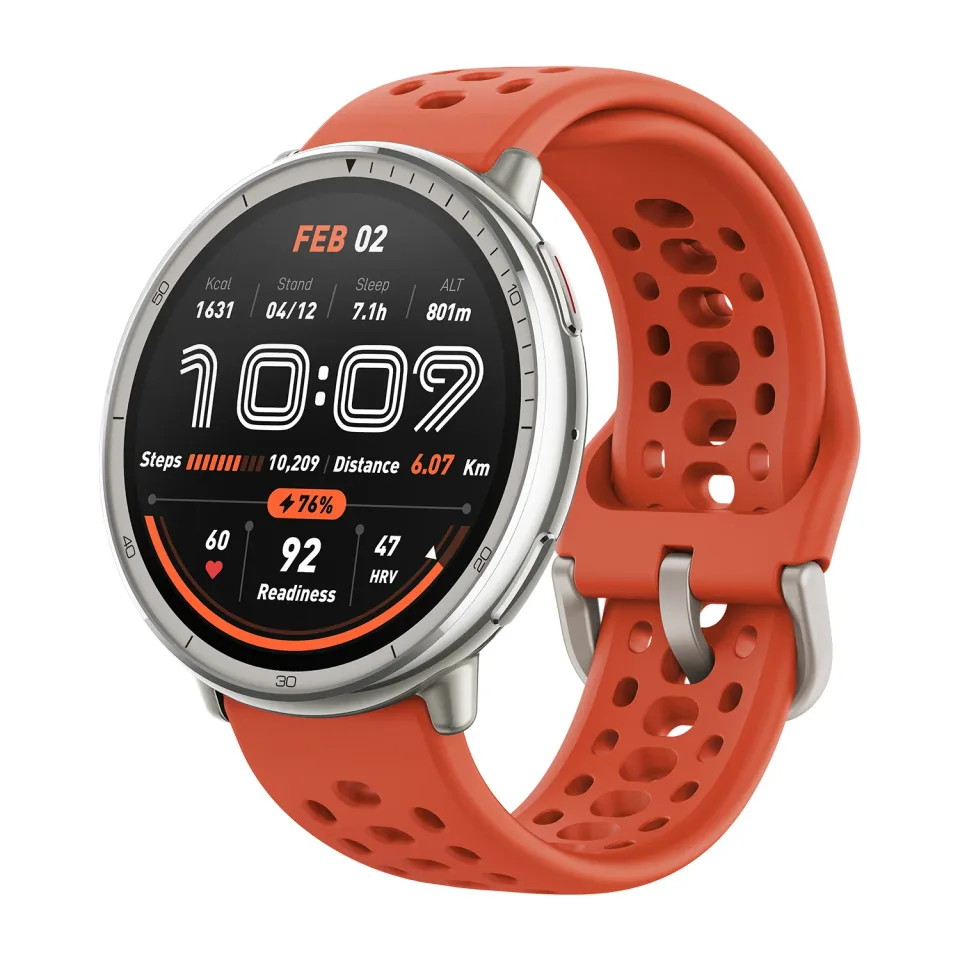
The Amazfit Active 2 delivers features you'd expect on a far pricier watch, including offline maps with turn-by-turn directions, a bright AMOLED screen and up to 10 days of battery, for about $100 with no subscription. Reviewers rave about the value, though its accuracy isn't flawless for serious training.
Around $100 with no subscription
Free offline maps with turn-by-turn directions
Bright 1.32-inch AMOLED display
Some testers report heart-rate and GPS accuracy issues
Sapphire glass requires the $129.99 Premium edition
Display1.32" AMOLEDCaseStainless steel, 44 mmBattery lifeUp to 10 days (typical use)
The Charge 6 is a popular, easy-to-wear band: 24/7 heart rate, sleep and stress tracking, built-in GPS and handy Google Maps, Wallet and YouTube Music integration for well under $200. Its GPS is hit-or-miss and the best coaching sits behind an optional subscription, but for everyday tracking it's a great deal.
Slim, comfortable band with up to 7 days of battery
Built-in GPS, ECG app and 40+ exercise modes
Google Maps, Wallet and YouTube Music on your wrist
Built-in GPS is hit-or-miss, per DC Rainmaker
Personalized coaching requires Google Health Premium
Hardware is now three years old
DisplayColor AMOLED touchscreen with haptic side buttonBattery lifeUp to 7 daysGPSBuilt-in
Fitness trackers promise precise data, but accuracy varies by sensor, fit and activity, and one creator's wrist isn't a verdict. Our FR Score synthesizes independent video reviews, with extra weight on reviewers who compare trackers against chest straps or other reference devices, and on long-term owners who live with the software day to day. We analyze published specs and features, including sensors, GPS type, battery claims, water resistance and subscription requirements, and we factor total cost of ownership into value. We haven't run validation studies of our own. The order you see is ours alone: device makers can't pay for placement, and affiliate links never influence rankings.
Who should skip this category
If constant numbers make you anxious, or you find yourself fixating on sleep scores, a tracker may do more harm than good. People who just want a daily step count can often rely on their phone. And remember that most wearable metrics are wellness estimates, not diagnoses: if you notice unusual heart-rate readings or symptoms, talk to a clinician rather than relying on an app.