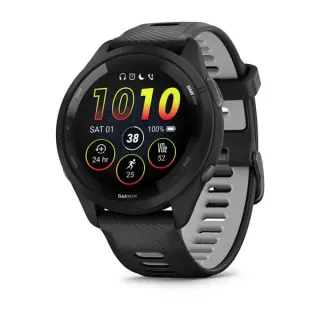
Best Overall
FR Score 9.0 out of 10, Exceptional
GarminFitness Trackers & Wearables
Forerunner 265
The AMOLED running watch that still sets the bar for training data per dollar
4 videos
AmazonBrand store
GPS watches, smart rings and screenless bands, ranked by what independent testers found
Fitness trackers now come in four very different shapes: GPS sports watches, slim fitness bands, smart rings and screenless recovery straps. They all promise the same basics, including heart rate, sleep, steps and some form of daily readiness score, but they differ wildly in accuracy, battery life, comfort and, increasingly, what you pay after checkout.
products
The AMOLED running watch that still sets the bar for training data per dollar
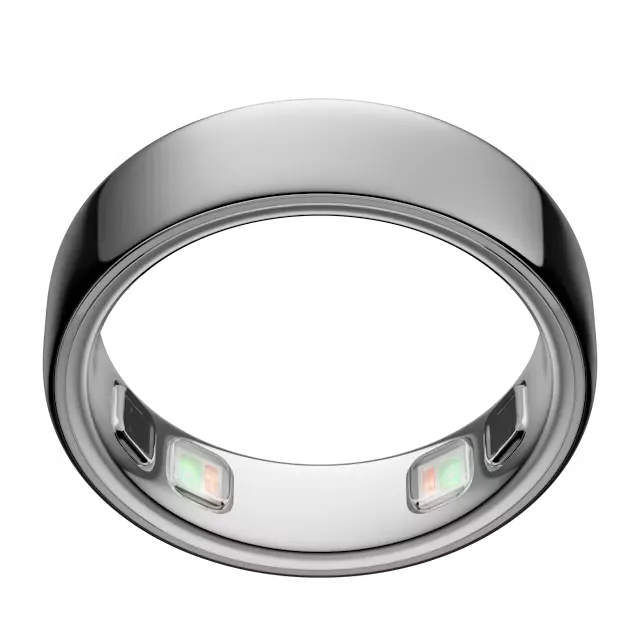
A 40% smaller titanium ring that makes sleep and readiness tracking disappear
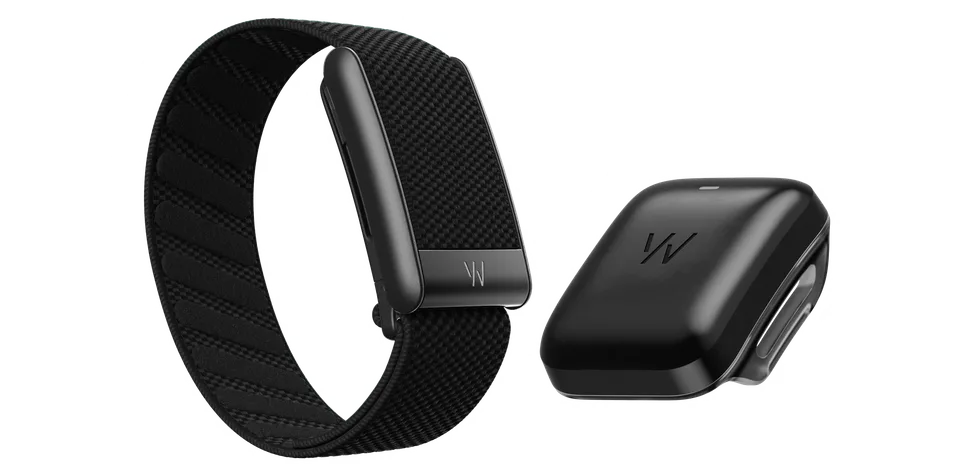
The screenless recovery coach, now with 14-day battery and three membership tiers
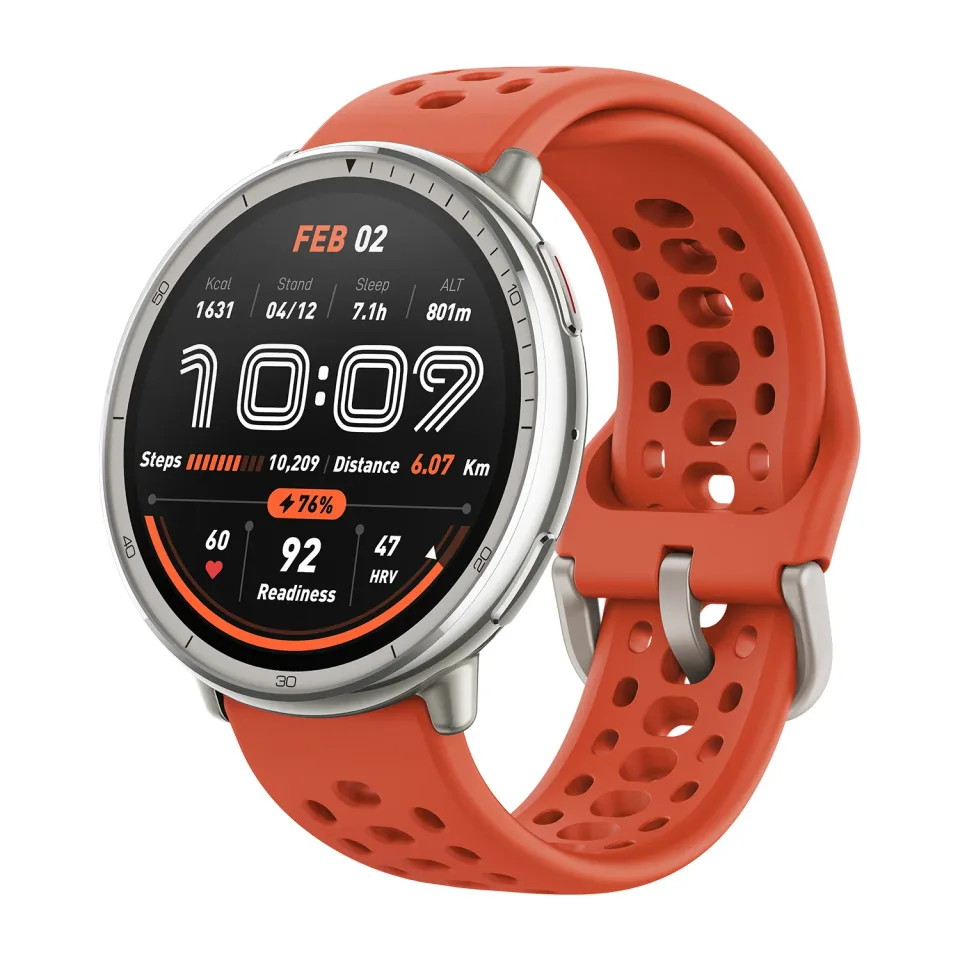
A $100 AMOLED sports watch with free maps, 160+ modes and no subscription

Google's Fitbit band with built-in GPS, an ECG app and a 7-day battery
Buying guide
The handful of things that actually matter — and the marketing you can ignore.
Start with how you want to wear it. A GPS watch like the Garmin Forerunner 265 is the best choice if you run, ride or want pace and maps on your wrist. A slim band like the Fitbit Charge 6 suits everyday step, sleep and heart-rate tracking. Smart rings like the Oura Ring 5 are the most comfortable overnight but weak for workouts, and screenless straps like WHOOP focus entirely on sleep, strain and recovery, relying on your phone for everything else.
Wrist and finger optical sensors are good at resting heart rate, HRV trends and steady cardio, but they can lag during intervals, lifting and sprints. If precise workout heart rate matters, pair your tracker with a chest strap. For GPS, multi-band systems like Garmin's handle tall buildings and tree cover better than basic GPS. Sleep stages are estimates, so focus on trends rather than single nights, and look for reviewers who test against reference devices rather than eyeballing charts. That's why we weight lab-style testers heavily in our scores.
Always check the real price. WHOOP memberships run $199 to $359 a year with the band included, Oura adds $5.99 a month on top of a $399 ring, and Fitbit's personalized coaching requires Google's optional Health Premium plan. Garmin and Amazfit don't charge for their core training features. Add up what you'd pay over two or three years. Some brands advertise HSA/FSA eligibility, but under IRS guidance a tracker or membership qualifies only when it's bought primarily to diagnose or manage a specific medical condition, not for general wellness, so check with your plan administrator before counting on it. Also check whether the features you want are in the base plan or a pricier tier, as with WHOOP's ECG.
Battery life decides whether you'll actually wear a tracker to bed, which is where much of the useful recovery data comes from. The trackers here range from about a week (Fitbit Charge 6, Oura Ring 5) to 10 to 14 days or more (Amazfit Active 2, Garmin Forerunner 265, WHOOP 5.0). Always-on displays and GPS workouts drain batteries fastest, so treat rated figures as a best case and check what long-term reviewers report. Charging style matters too: WHOOP's clip-on PowerPack lets you charge without taking the band off, while rings need a dock.
Video reviews
Head-to-head
Side-by-side comparisons of the fitness trackers & wearables people most often weigh against each other.
From the blog
Fitness trackers now come in four very different shapes: GPS sports watches, slim fitness bands, smart rings and screenless recovery straps. They all promise the same basics, including heart rate, sleep, steps and some form of daily readiness score, but they differ wildly in accuracy, battery life, comfort and, increasingly, what you pay after checkout.
That last point matters more than ever. WHOOP is sold only as a membership, Oura charges a monthly fee for its full insights, and Google's Fitbit coaching sits behind an optional subscription, while Garmin and Amazfit include their core training features at no extra cost (both sell optional premium add-ons). Over two or three years, a "cheap" tracker with a subscription can easily cost more than a premium watch without one.
To build these rankings, we lean heavily on independent testers who measure accuracy against chest straps, reference devices and known routes, including DC Rainmaker, DesFit and The Quantified Scientist, and combine their findings with a close read of specs, warranties and total cost of ownership. Keep in mind that these are wellness devices, not medical equipment. They're best at showing trends over weeks and months, not at diagnosing anything.
The research, standards and guidance behind this fitness trackers & wearables guide.